
Last updated November 15, 2026
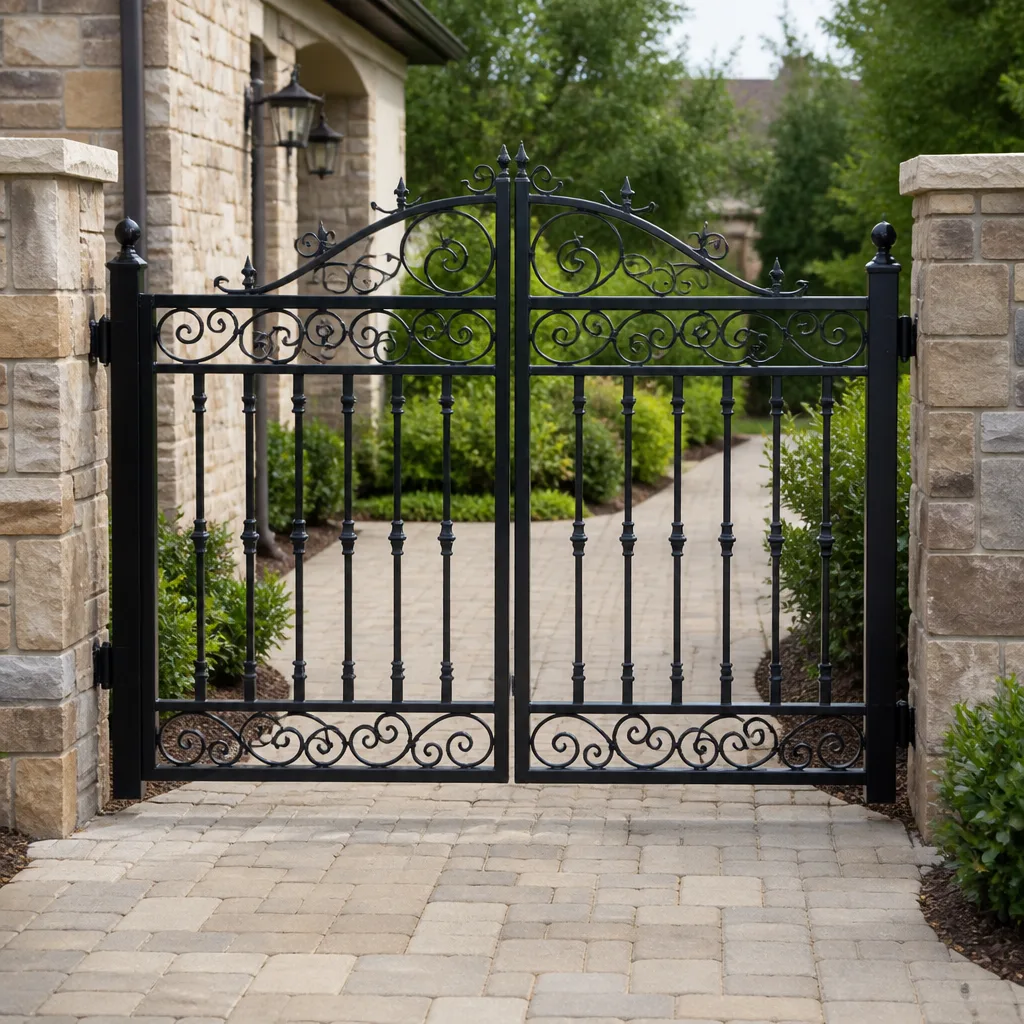 Wrought iron
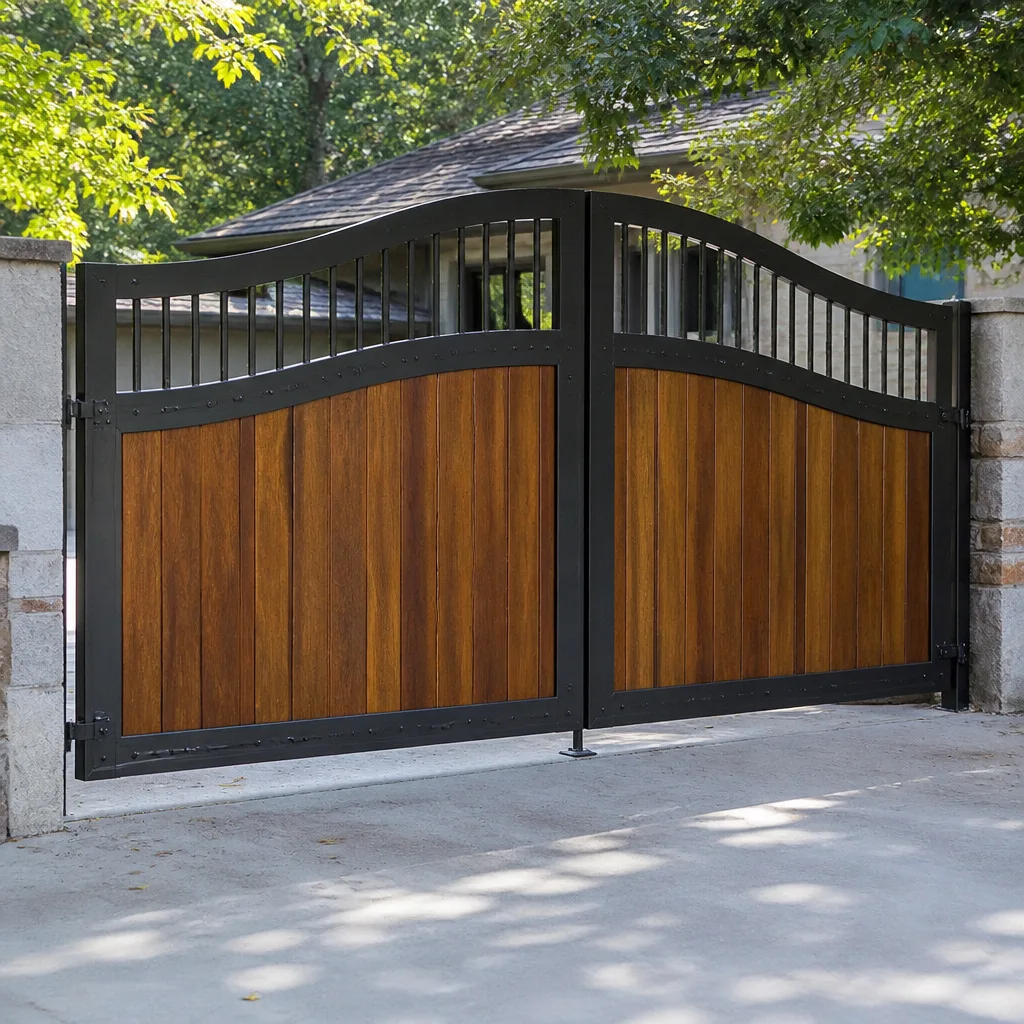 Wood & steel frame
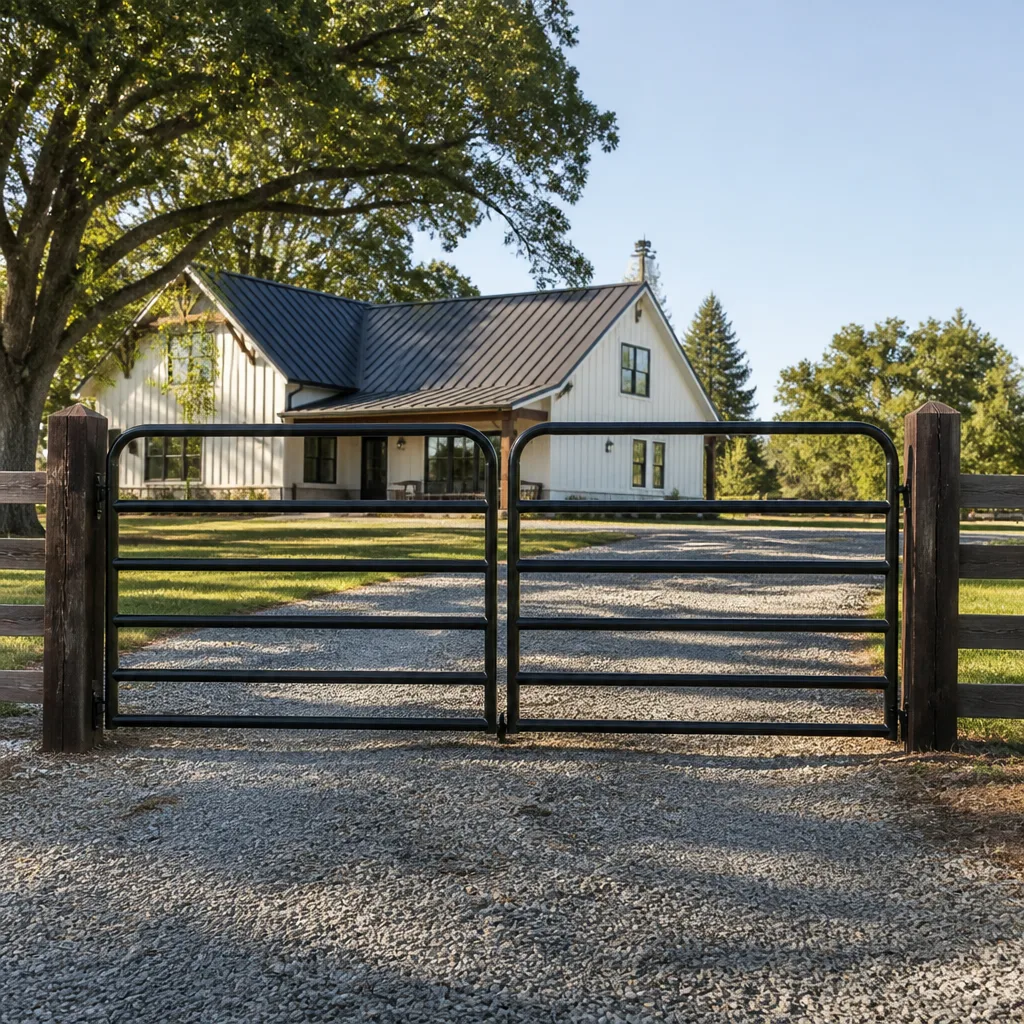 Farm & ranch
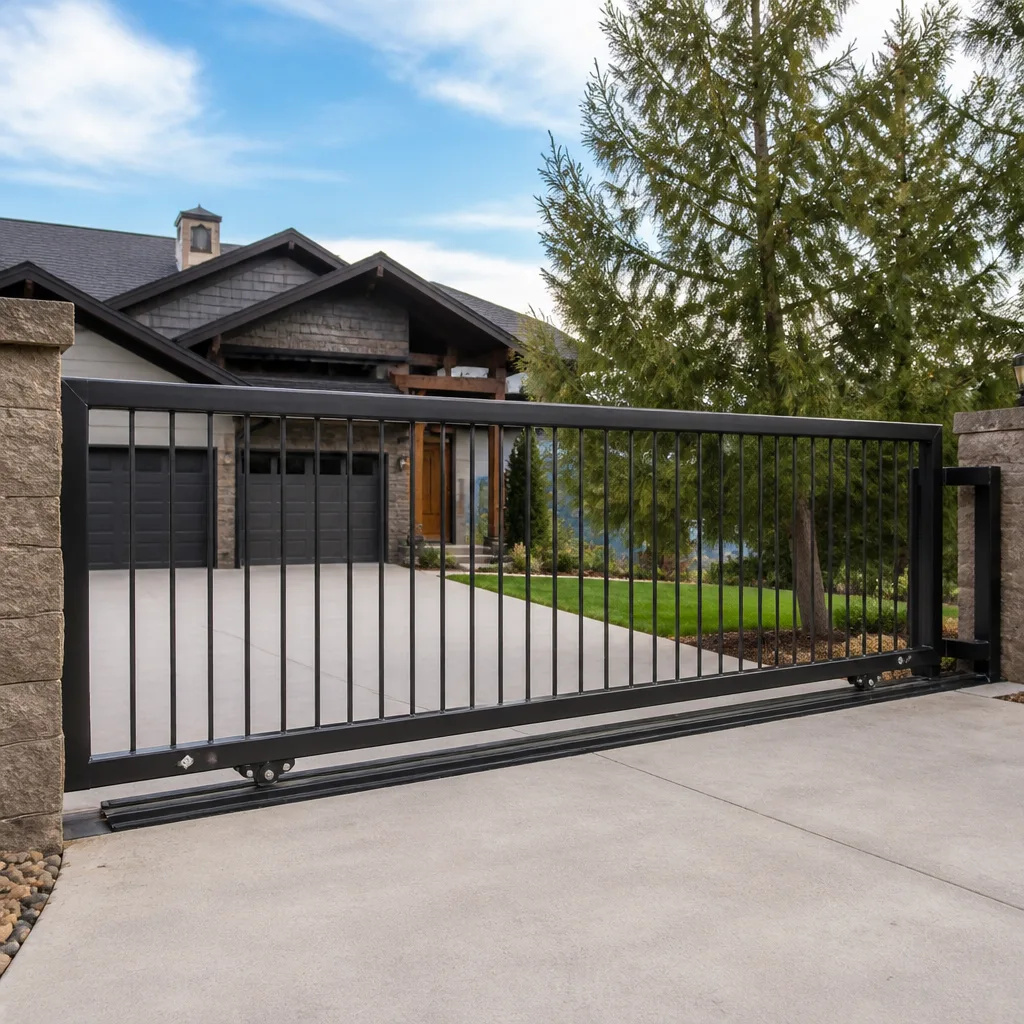 Sliding driveway gates
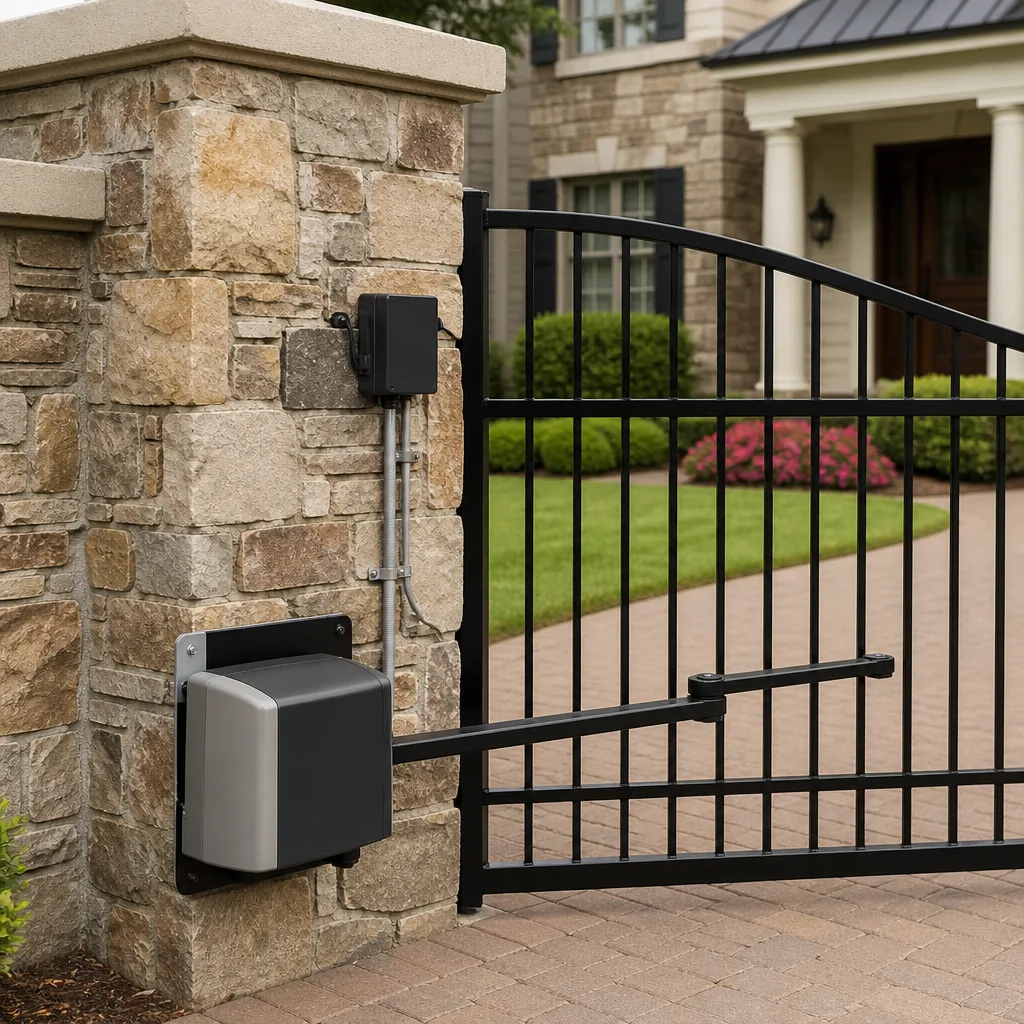 LiftMaster operators
Free on-site gate assessment - hinges, posts, and your LiftMaster or Nice gate operator checked before anything is quoted
The assessment is free and the quote is the invoice.
Get your free estimateChoosing the Right Gate Repair Brand: A Buyer’s Guide for Elgin
The cheapest gate operator that can physically move your gate is not the right operator. That’s the formula for the shortest possible service life. Most buyers in Elgin compare brands by price and by how the opener looks in a catalog, and they never look at the one number that predicts how long the unit will last: duty cycle. Duty cycle is the percentage of time an operator can run before it needs to cool down, and it explains why two operators of similar size behave completely differently after a few winters. This guide shows you how to match a brand to your gate’s weight, your daily traffic, the local climate, and the parts supply chain, so the choice holds up for years instead of seasons.
Quick Answer
The best gate repair brand for your property is the one whose duty cycle, environmental rating, and local parts availability match your gate’s weight, how often it cycles per day, and your willingness to wait for a factory order. Light residential driveway gates usually run well on Mighty Mule, Ghost Controls, or Linear; heavier or higher-traffic gates are better served by LiftMaster, FAAC, or commercial-grade operators like Viking or BFT. In Elgin, the decision often comes down to cold-weather performance and whether replacement parts are stocked nearby or shipped in.
Styles & brands we work with
- Wrought iron
- Wood & steel frame
- Farm & ranch
- Sliding driveway gates
- LiftMaster operators
Table of Contents
- How Duty Cycle Determines Which Brand You Need
- How to Calculate the Duty Cycle Your Gate Actually Requires
- What Matters Most for Elgin Homeowners: Cold, Corrosion, and Parts
- Residential Brand Tiers Compared
- When a Residential Property Warrants Commercial Equipment
- The Parts Ecosystem Question
- How to Evaluate a Gate Repair Brand Before You Buy
- Common Mistakes to Avoid
How Duty Cycle Determines Which Brand You Need
Duty cycle is the single most useful number on a gate operator spec sheet, and it’s the number most buyers never see. It tells you what percentage of an hour the operator’s motor can run before it needs to cool. A cheap residential unit might be rated for a very light duty cycle, meaning it’s designed for a handful of cycles per hour at most. When you ask it to open and close more often than that, the motor overheats, the control board protects itself by shutting down, and eventually the unit fails early. That’s the real explanation behind the pattern people notice: some operators last two years, others last fifteen, even when the gate is the same size.
Duty cycle is a spec, not a marketing claim. A brand that publishes a clear duty-cycle rating for its models is telling you what the unit was built to handle. A brand that buries the rating or markets only on price is usually hiding something: the operator was designed for the lightest possible use and priced to win on the shelf. In our experience, the mismatch between an operator’s real rating and how it’s used is the most common reason a gate system fails long before it should.
What’s the practical takeaway? Match the operator to the traffic, not to the gate’s appearance. A beautiful driveway gate on a light-use residential lot might need only an entry-level operator. A heavier gate on a busy household with multiple drivers, delivery traffic, and frequent comings and goings may push an entry-level operator past its rating. For a closer look at how we diagnose and repair failures across operator types, see our guide to electric gate repair.
- Light duty: a few cycles per day, small residential gate, single household. Entry-level operators fit here.
- Medium duty: frequent daily use, heavier gate leaf, multiple drivers. Mid-tier or upper-residential operators fit here.
- Heavy or continuous duty: regular traffic all day, commercial access control, or a residential gate used like a commercial one. Commercial-grade operators fit here.
How to Calculate the Duty Cycle Your Gate Actually Requires
You can estimate your real load without any special tools. The key is to count actual open and close cycles per day and then apply some headroom for the unexpected. Here’s how to work through it in a few steps.
- Count your daily cycles. Each time the gate opens and closes counts as one full cycle. A household with two cars leaving and returning accounts for several cycles before you add visitors or deliveries.
- Add realistic extras. Deliveries, service calls, friends, and kids coming and going all add cycles. If you have a keypad or remote for guests, add those too.
- Multiply for the season. A gate that runs eleven months at low traffic can see a spike during summer or the holiday season. Plan the operator for the busy period, not the quiet one.
- Add headroom for hot weather. An operator rated comfortably above your peak daily use runs cooler and lasts longer, especially in the humid Illinois summer.
- Check the environmental rating. Look for an operator rated for outdoor exposure in cold and wet conditions, not just fair-weather use. A residential gate in Elgin sees real winter, and an operator built for a mild climate will struggle.
Once you know your number, match it against the brand’s published duty-cycle spec. If the number isn’t clear, that’s a red flag. You can call us at (833) 722-3856 with the gate’s weight, the number of cycles per day, and the operator brand you’re considering, and we’ll talk through whether the match holds up before you buy. Estimates are free, and the price for any work is quoted and agreed before we start.
What Matters Most for Elgin Homeowners: Cold, Corrosion, and Parts
Elgin’s climate does more to gate operators than most buyers realize. The region sees cold winters, summer humidity, and real swings between the two, and hardware that spends its life outside has to survive all of it. A gate operator designed for a mild climate can work fine for a while, then struggle when the cold sets in or the motor has to work harder against stiff hardware. On a spec sheet, look for cold-weather performance ratings and a motor built for outdoor duty rather than a bare unit rated for indoor or light-duty use.
Corrosion resistance is the second factor. Not coastal corrosion, but the ordinary wear of Midwest weather: rain, melting snow, and the freeze-and-thaw cycle that works on hinges, chains, and exposed hardware. Hardware on a gate in a neighborhood like a tree-lined stretch of Elgin takes more abuse than hardware on a sheltered gate, and the cheaper options often use plated parts that pit and seize faster. When you’re comparing brands, ask what the hinges, rollers, and operator housing are made of, not just what the operator can lift.
The third factor is the local parts ecosystem. This is where the difference between one brand and another becomes real: fast, routine repairs depend on whether the parts are nearby. A brand that sells through distributors with stock in the region gives you a much better chance of getting a gate running the same day. A brand that only sells direct and ships from a factory can leave you waiting when a control board or a limit switch fails. That gap is worth more to most Elgin owners than a small difference in upfront price, and it’s worth asking about before you decide.
- Cold-weather rating: check that the operator is rated for the temperatures your gate will see.
- Hardware material: ask what the hinges, rollers, and chains are made of.
- Local stock: ask whether the specific brand’s parts are stocked in the area or shipped in.
- Service network: a brand with trained technicians nearby gets diagnosed and repaired faster than a brand that has to wait on a factory.
Residential Brand Tiers Compared
Residential gate operators break into three practical tiers, and each brand has a point where its value proposition stops working. Understanding where that point is keeps you from buying either too much or too little.
Entry-Level: Mighty Mule and Ghost Controls
These are the brands most DIY buyers start with, and they’re built for light residential use: a single gate, a single household, moderate daily cycling. They can be a great fit for a lightly used driveway gate in Elgin, especially when the owner wants a straightforward, serviceable operator. Where they break down is when the gate is heavier than expected or the household runs the gate more often than the light-duty rating supports. In that scenario, the operator struggles, the motor heats up, and the early failure pattern starts. These brands reward buyers who honestly count their daily cycles.
Mid-Tier: LiftMaster and Linear
This tier is where most Elgin homeowners find their match. LiftMaster and Linear offer a step up in build quality, control board features, and cold-weather performance while staying suited to residential driveways. They’re a good fit for heavier gates and for households with more frequent traffic. The trade-off is usually between features (like remote and keypad options) and the specific duty cycle you need. When a mid-tier operator is matched correctly, it’s one of the most reliable choices in a residential setting.
Upper-Residential: FAAC and Elite
At this level, you’re paying for better engineering, longer duty cycles, and more sophisticated control hardware. FAAC is known for solid residential and light-commercial operators, and Elite offers strong options for heavier residential gates. These brands fit when your gate is genuinely heavy or your daily traffic is genuinely high. The value proposition breaks down when the buyer is paying for capacity they don’t use. If your gate is a light-use driveway gate, you don’t need the top of the residential line; you need the correctly rated operator.
When a Residential Property Warrants Commercial Equipment
Some homes work like small commercial sites, and it’s a mistake to keep replacing residential operators that keep failing. The signs are clear once you know what to look for.
A residential property warrants commercial equipment when its access pattern looks like commercial traffic. That can mean a busy driveway with rideshare, deliveries, and regular visitors; a multi-car household with a long driveway; a home-based business with frequent client or vendor traffic; or a gate that controls access to a shared driveway or a small community. In those situations, an operator rated for residential use gets pushed past its rated duty cycle, and the pattern of early failures repeats. Commercial operators from Viking or BFT, or upper-residential units like FAAC, are built for that heavier load and controlled access. DoorKing is another name that comes up for properties with more complex access control needs, including keypads, loop detectors, and phone or intercom entry.
The decision point is whether replacing the operator more often than expected costs more, in both money and disruption, than moving up a tier. A residential property that’s quietly running a residential operator beyond its rating is a small commercial site in disguise. We diagnose commercial and residential systems the same way: we look at the cycles, the gate weight, the control hardware, and the parts supply, then recommend what the load actually requires. To read more about the broader service, see gate repair.
The Parts Ecosystem Question
Parts availability matters more than the upfront price difference between brands, and this is the question buyers miss most often. When a gate operator fails, the repair depends on getting the right part in hand. If the brand’s replacement parts are stocked by distributors in the Elgin area, the repair proceeds quickly. If they’re only available from the factory or through a long distribution chain, a failed control board or limit switch can turn a same-day fix into a long wait. On a security gate, that wait is a daily problem, not a minor annoyance.
Here’s how to evaluate the parts ecosystem before you buy:
- Ask where parts are stocked. If the brand’s distributor is regional, ask how quickly a common part like a control board can be delivered.
- Check the brand’s service network. A brand with trained technicians nearby is easier to service than a direct-only brand.
- Look at the track record. Ask whether the brand’s parts have been available in the area for the long haul, or whether the brand is being sold into the region now without the local support behind it.
- Compare the wait against the price difference. A brand that saves a bit upfront but leaves you waiting when a part fails is the more expensive choice over time.
For a walkthrough of how we approach failures across brands, look at the services we cover from our home base at Elgin and how we diagnose systems before recommending a path.
How to Evaluate a Gate Repair Brand Before You Buy
Brand selection and service selection are two decisions, and a good buyer treats them that way. The brand is what you live with; the service is what keeps it running. Here’s how to evaluate both.
- Match duty cycle to usage. Confirm the operator’s rating against your real daily cycles, not the manufacturer’s optimistic scenario.
- Check the environmental rating. Make sure the operator is rated for outdoor use in a cold-climate state, not just fair-weather operation.
- Confirm local parts availability. Ask where a replacement control board would come from and how long it would take.
- Look at the service tech’s brand familiarity. A technician who has worked on your specific brand will diagnose it faster than one who is learning on the job.
- Insist on a written estimate. The price should be quoted and agreed before any work starts, with the estimate free and no surprises added later.
- Ask whether the shop services your brand’s tier. A shop that handles entry-level DIY operators and commercial access control under the same roof has seen the whole range, not just one corner of it.
At Gate Repair Elgin, we work on your brand: nine gate brands across residential and commercial tiers, from a single residential remote to a full commercial access-control system. Our technicians have up to 9 years of experience, and we’re licensed and insured. For a broader look at the service, see Gate Repair Elgin. For a nearby perspective on the same problem, our neighbors in the area get the same brand-focused approach.
Common Mistakes to Avoid
- Buying on price alone. The cheapest operator that can lift the gate is the one most likely to fail early when the daily cycles exceed its rating. Price is the last number to look at, not the first.
- Ignoring the duty cycle on the spec sheet. If the rating isn’t published or isn’t clear, that’s a warning. A brand that hides the number usually has a reason.
- Mismatching the operator to the gate’s weight. A residential operator on a heavy gate will run hot and wear down fast, no matter how good the brand is. The gate’s weight is the first figure to check.
- Skipping the parts availability question. A brand with no local parts stock can leave a security gate waiting for a factory order. Ask before the gate is installed, not after it fails.
- Putting commercial gear on a light-use residential gate. Over-specifying wastes money and doesn’t improve reliability. The right match is about the load, not the prestige of the brand.
- Choosing a generalist who handles gates on the side. A multi-trade service may know the basics, but it will be learning your brand’s control board and sensors on your property. Gate specialists are the safer hands for electric gate systems.
- Accepting a verbal quote. A written estimate protects you from a larger bill later. Get the price agreed before work starts.
If you’re comparing gate systems on a driveway in Elgin, the same brand questions apply to the surrounding communities and to replacing a failing operator. Learn more about our gate repair work if you’re deciding between fixing the current system and replacing it.
See the difference
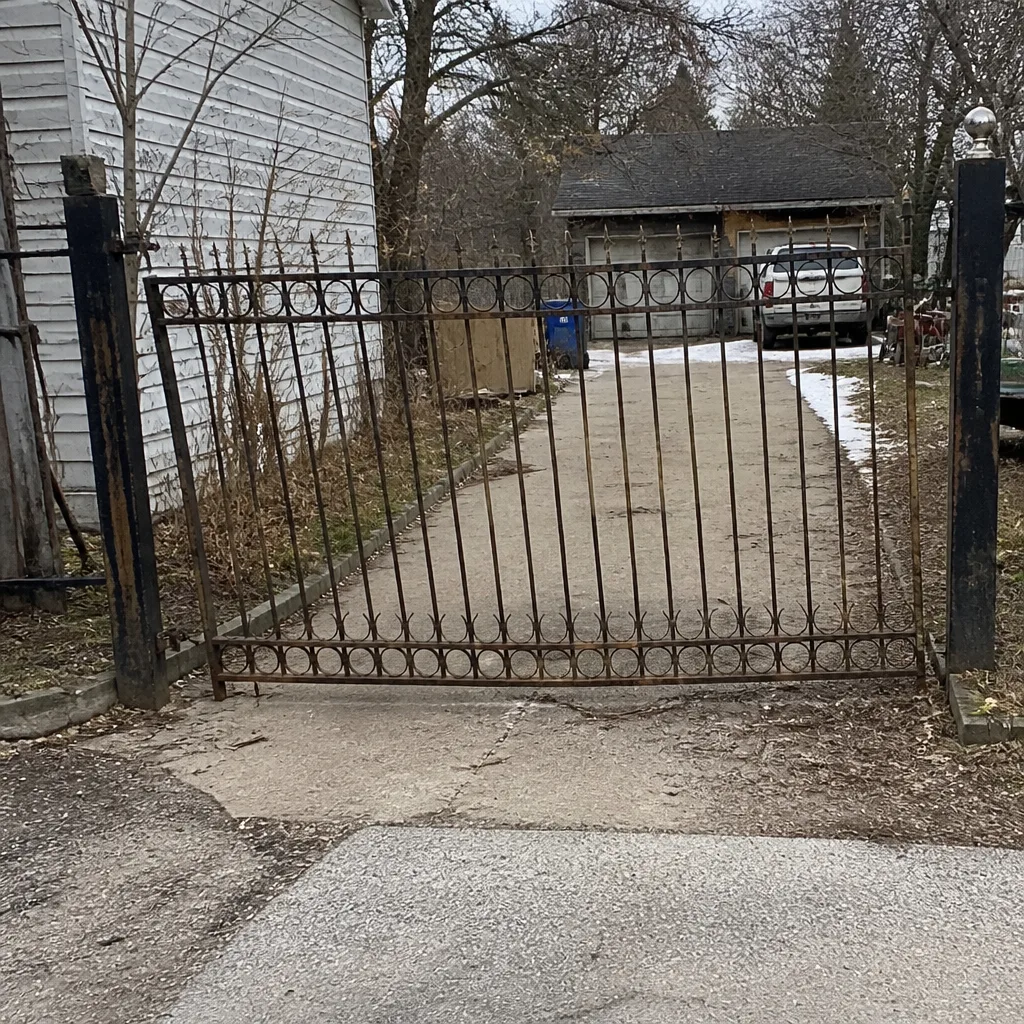 Before
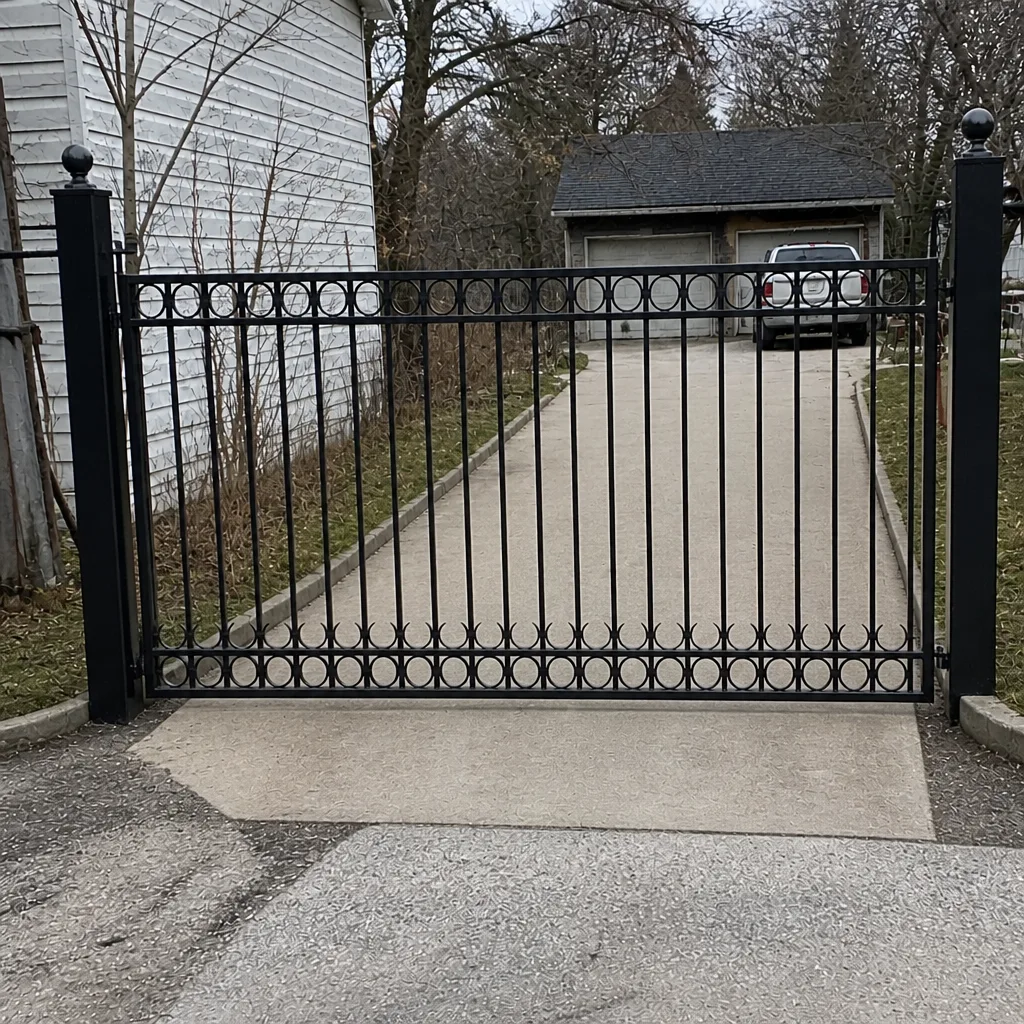 After
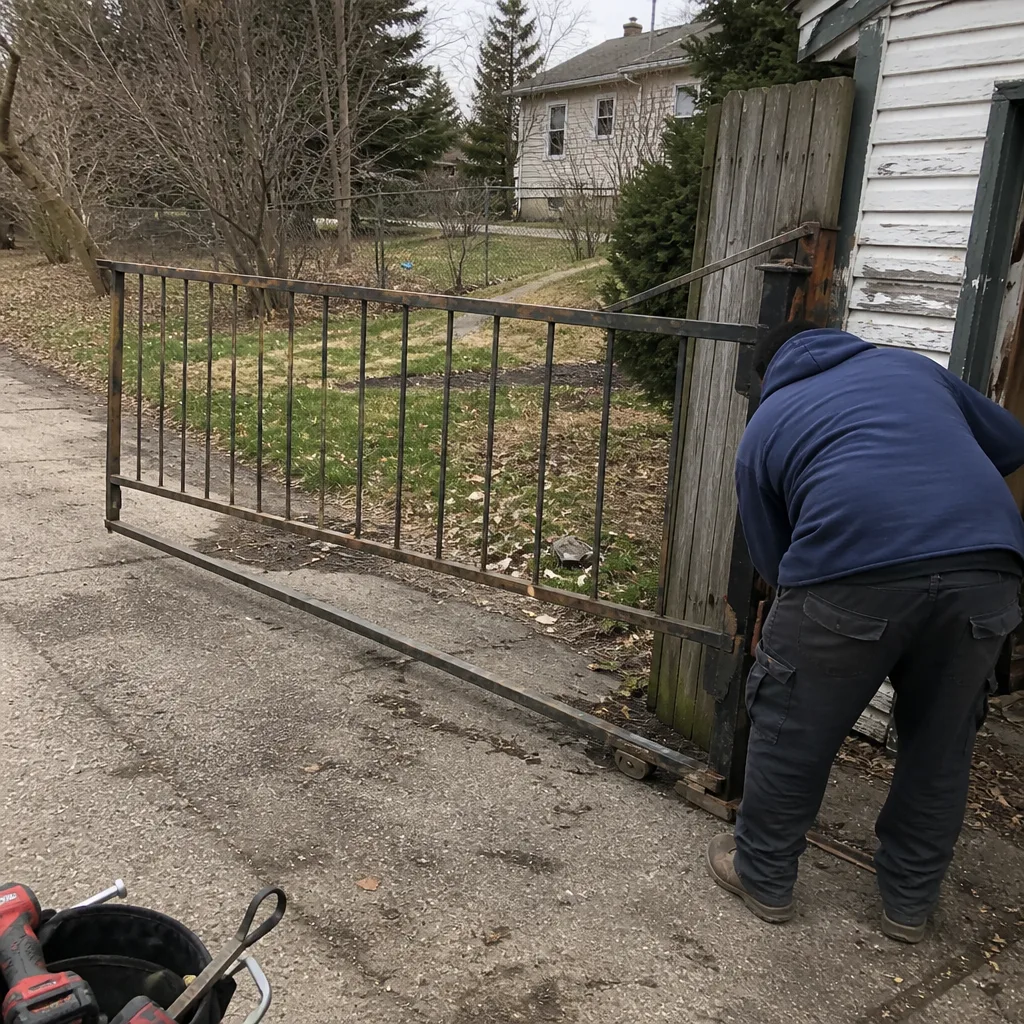 Before
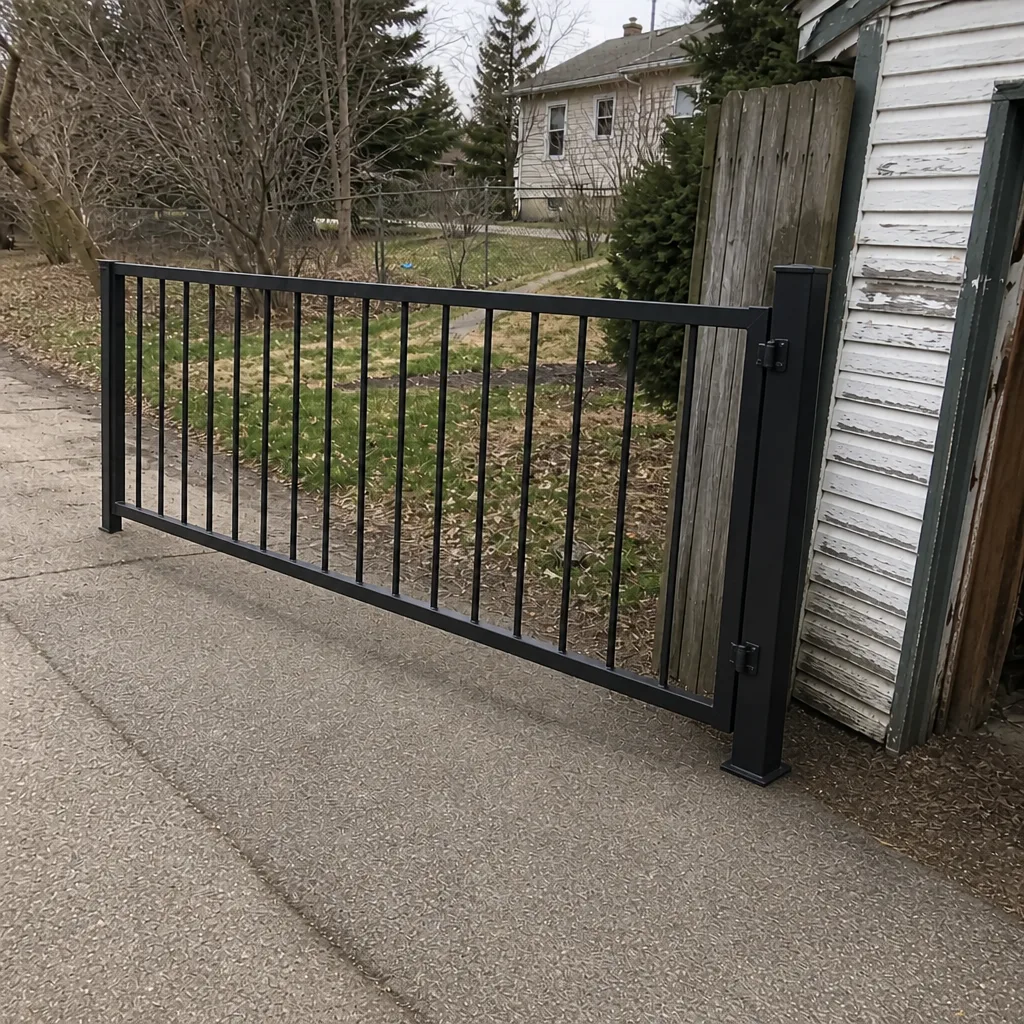 After
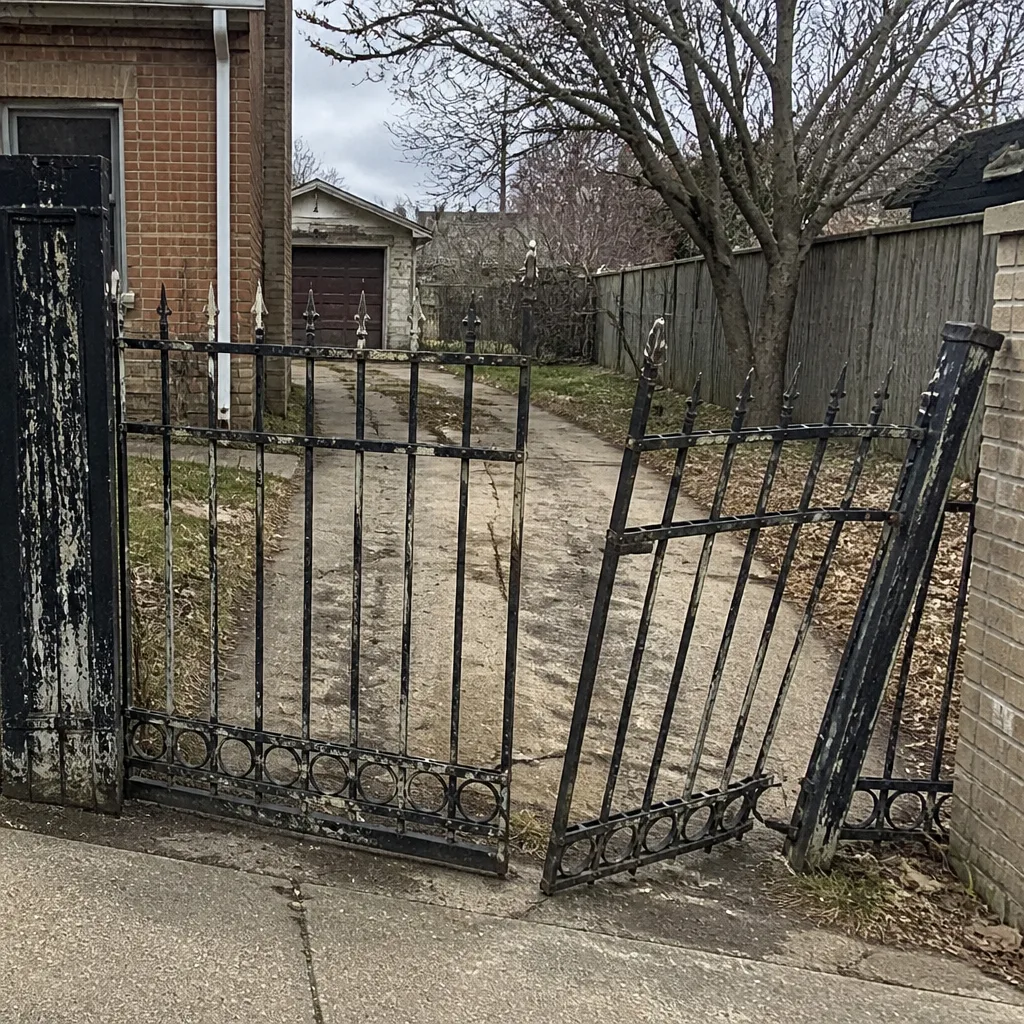 Before
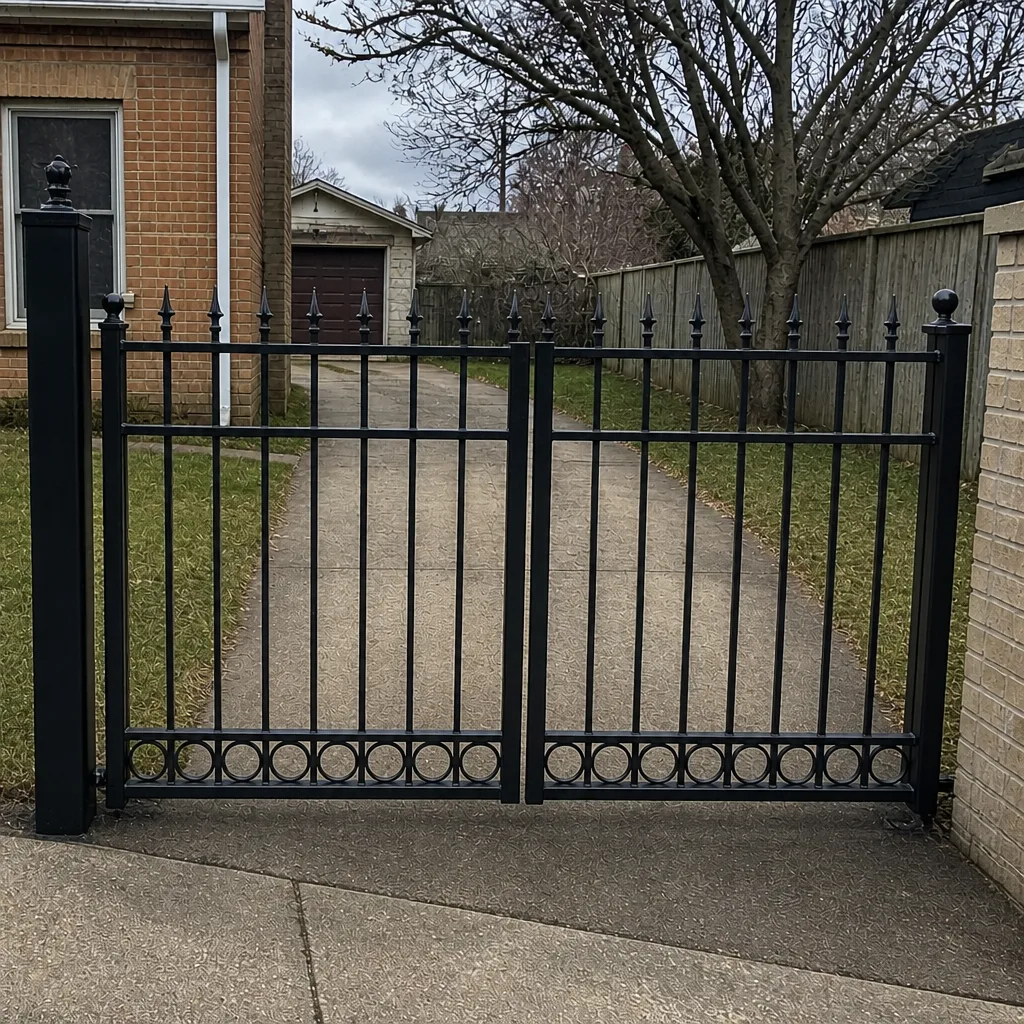 After
When to Call a Professional
You should call a professional when an electric gate stops responding to a remote or keypad, when it opens only partway or reverses on its own, when the control board shows a fault, or when the gate drifts past its travel limits. Safety sensors that keep triggering, a gate that loses power entirely, and a heavy slide gate that comes off its track all warrant a professional visit. Electrical troubleshooting of a control board, wiring, or a power run is genuinely dangerous work for an untrained hand, so resist the urge to open the housing and diagnose it yourself. Call in a technician who already knows your brand. Gate Repair Elgin offers free estimates in Elgin: call (833) 722-3856. We answer 24/7. Fast dispatch from 7am to 7pm, Sunday through Friday.
Frequently Asked Questions
There’s no single best brand, because the right choice depends on your gate’s weight and your daily cycle count. For a light-use residential gate, Mighty Mule, Ghost Controls, or Linear can be a strong match. For a heavier gate or more frequent traffic, LiftMaster, FAAC, or Elite are better suited. Call (833) 722-3856 with the details of your gate, and we’ll walk through the options.
Count the gate’s open and close cycles per day, add headroom for busy periods, and match the number against the operator’s published duty-cycle rating. Add extra headroom for hot weather and check the environmental rating for cold-climate use. If the number isn’t clear on the spec sheet, call (833) 722-3856 and we’ll help you evaluate it. Estimates are free.
Availability differs significantly by brand, and it’s one of the most important questions to ask before buying. Some brands stock replacement parts through regional distributors, while others ship from a factory. For a security gate, a wait for a control board is a real disruption, so ask where a common part would come from and how long it would take.
A residential property should step up to commercial equipment when its traffic pattern runs like a commercial one, such as frequent deliveries, a busy household, or a shared driveway. Operators like Viking or BFT are built for that heavier load. If you’re replacing residential operators repeatedly, call (833) 722-3856 and we’ll assess whether the load warrants the upgrade. The written estimate sets the final price.
Same-day repair is often possible for common failures when the parts are on hand, and it depends on the brand’s parts availability. We answer 24/7 and dispatch technicians from 7am to 7pm, Sunday through Friday. If the part you need has to be ordered, we’ll tell you the wait before any work starts. Call (833) 722-3856 to book a visit.
The main differences are duty cycle, environmental rating, and build quality, not just the features listed on the box. Entry-level operators like Mighty Mule and Ghost Controls are built for light residential use. Professional-grade operators like FAAC, BFT, and Viking are built for heavier use and better cold-weather performance. Matching the tier to your load is the key to a system that lasts.
The Bottom Line
The right gate brand is the one whose duty cycle, environmental rating, and local parts supply match your gate’s weight and your real daily traffic. If you’re in Elgin, that means paying attention to cold-weather performance and whether replacement parts are nearby when something fails. Entry-level operators fit light-use residential gates; mid-tier and upper-residential brands fit heavier loads; commercial equipment is warranted when a residential property’s traffic pattern looks commercial. The upfront price is the least important number. Getting the match right is what keeps a gate running for years instead of seasons, and a written estimate agreed before work starts keeps the repair predictable.
Choosing a brand is easier with a second set of eyes from someone who works on them every week. Gate Repair Elgin provides electric gate repair, gate repair, and new gate installation, and we service nine brands: LiftMaster, FAAC, BFT, Linear, Viking, Ghost Controls, DoorKing, Elite, and Mighty Mule. Our technicians have up to 9 years of experience, and we’re licensed and insured. Call (833) 722-3856 for a free estimate. We answer 24/7. Fast dispatch from 7am to 7pm, Sunday through Friday, closed Saturday. A call outside dispatch hours is booked into the next opening.
Written by the team at Gate Repair Elgin.