
Last updated November 15, 2026
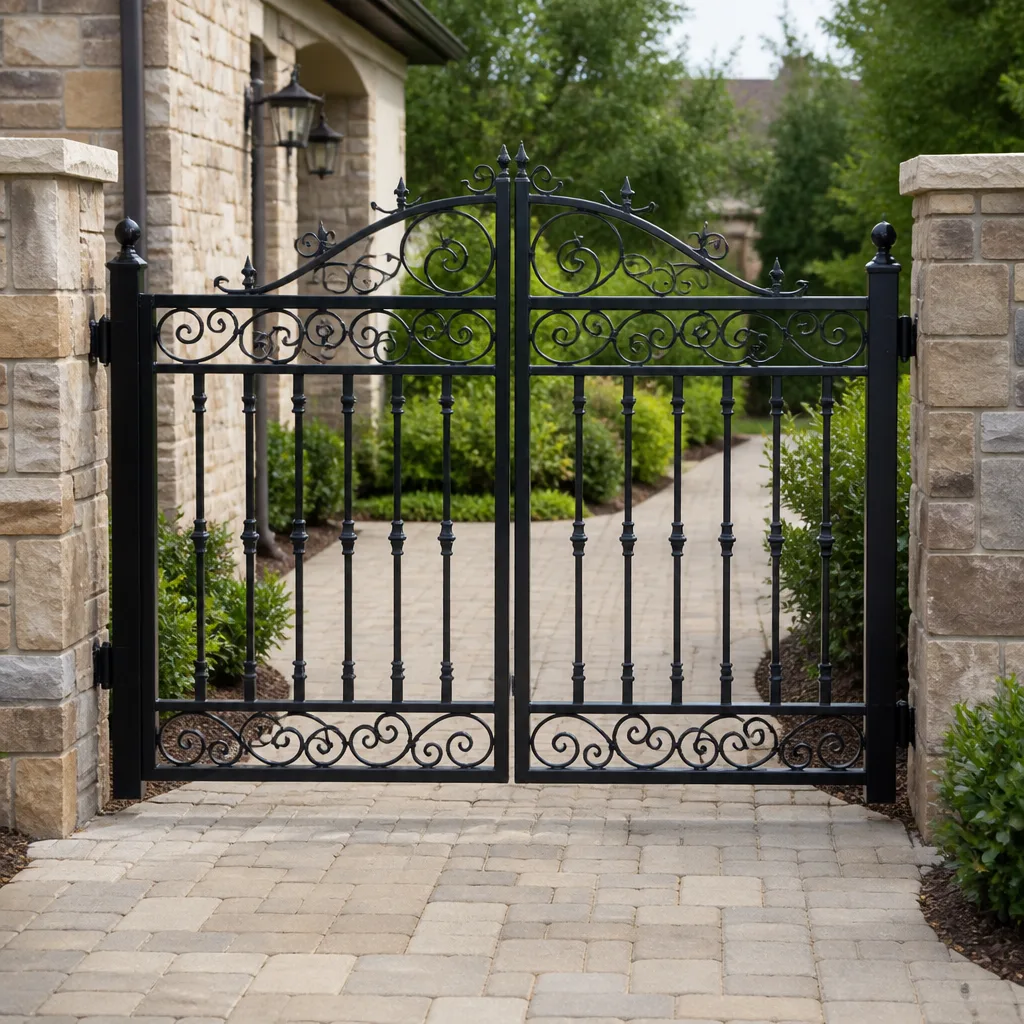 Wrought iron
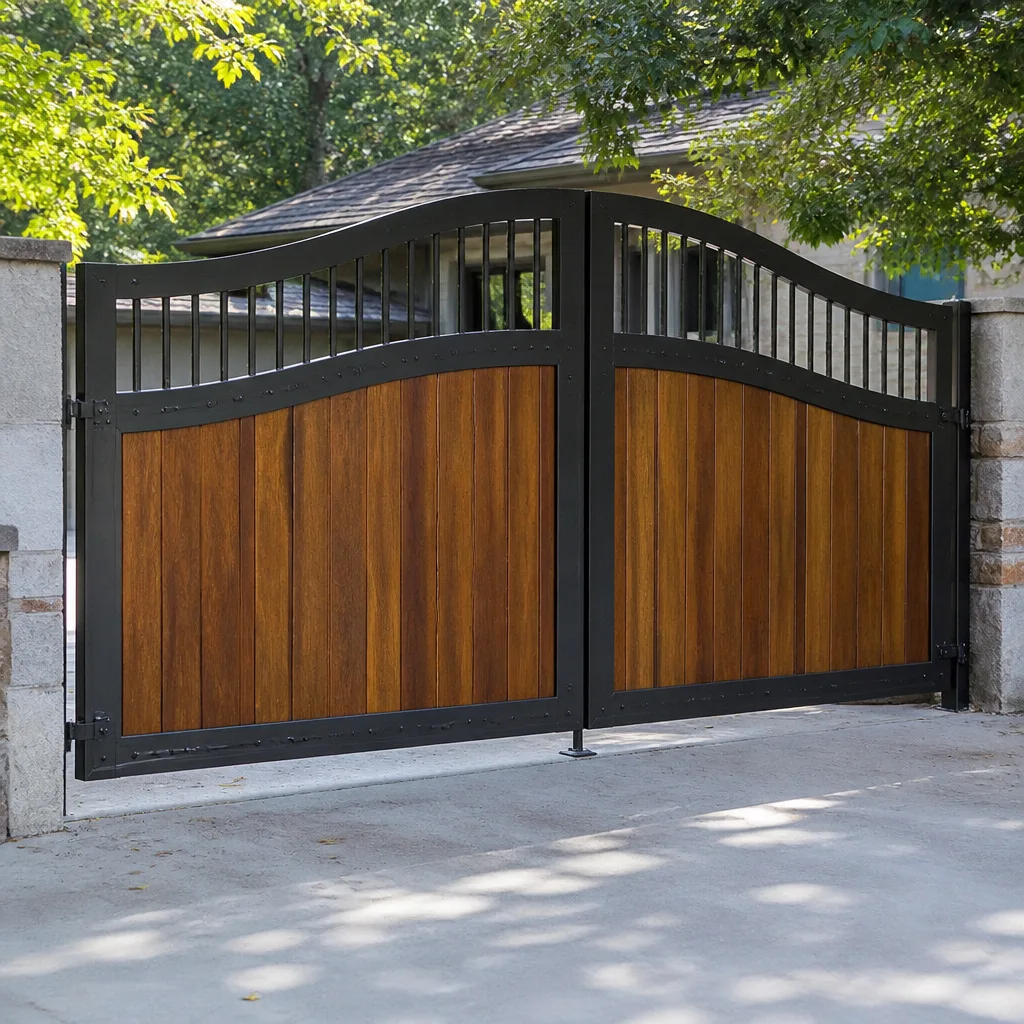 Wood & steel frame
 Farm & ranch
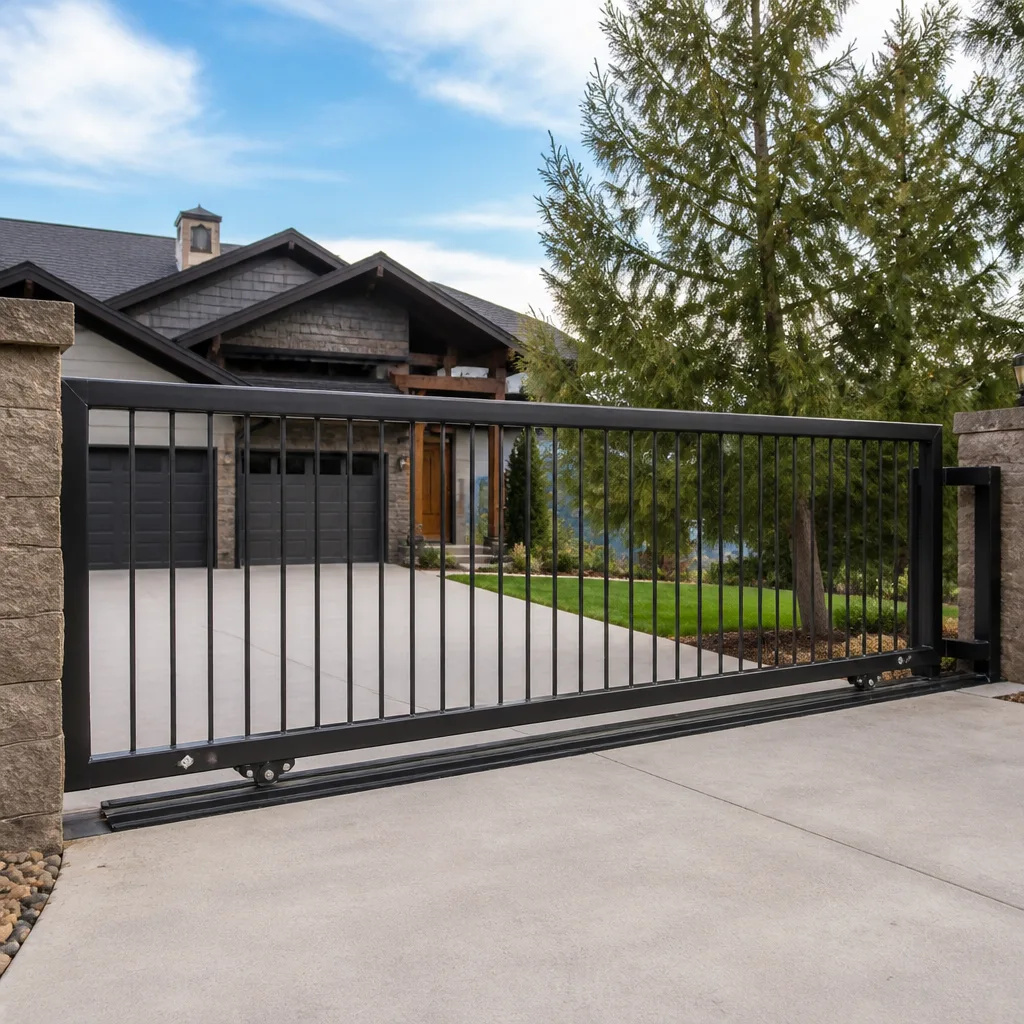 Sliding driveway gates
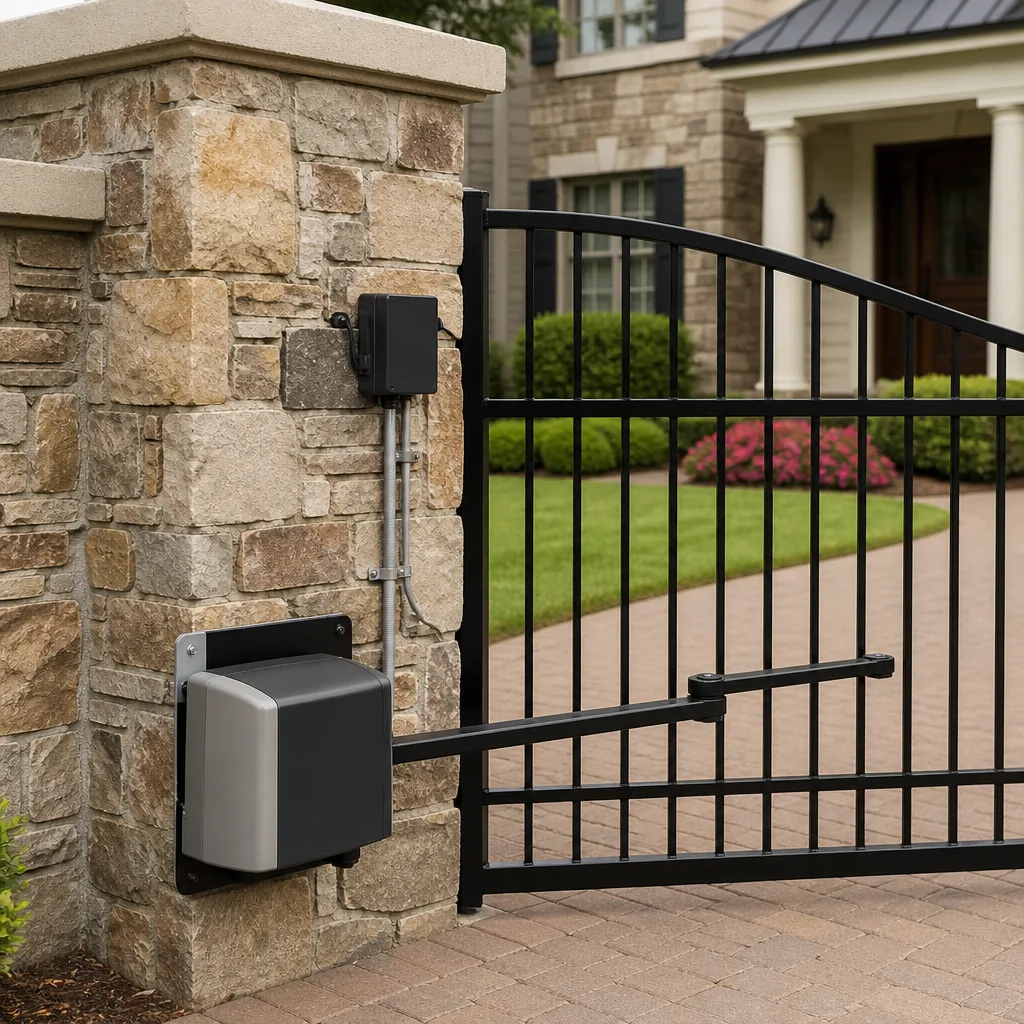 LiftMaster operators
Free on-site gate assessment - hinges, posts, and your LiftMaster or Nice gate operator checked before anything is quoted
The assessment is free and the quote is the invoice.
Get your free estimateSeasonal Gate Repair Care for Elgin: Year-Round Homeowner’s Guide
Most homeowners in Elgin assume a gate fails because something broke. Usually it’s because something moved. February and March are our busiest weeks of the year, not because January’s cold destroyed anything, but because the February thaw rearranges the ground under every post set in Northern Illinois clay. Frost heave lifts one post a half inch, the gate leaf sags, and an operator that worked fine in December starts straining against a frame that’s no longer square. A gate that “made it through winter” is often the one that calls us first. This guide breaks the year into four damage windows, explains what each season actually does to hinges, tracks, operators and control boards, and gives you the calendar of interventions that keeps a gate running instead of waiting for a repair.
Quick Answer
Seasonal gate care in Elgin means matching maintenance to what the climate is doing: lubricate and load-test in October and November before the first freeze, inspect posts and alignment in February through April when thaw shifts the ground, clear drainage and check corrosion in spring, watch control boards and batteries through humid summer heat, and realign photo-eyes and clear vegetation in fall as the sun angle drops. Gates that get these checks twice a year outlast gates that get a single annual service call, and they fail at predictable points you can catch before the operator is damaged.
Styles & brands we work with
- Wrought iron
- Wood & steel frame
- Farm & ranch
- Sliding driveway gates
- LiftMaster operators
Table of Contents
- Why Elgin Gates Fail Seasonally
- Winter Prep: October and November
- The Freeze-Thaw Window: February to April
- Spring Wet Season: Drainage and Corrosion
- Summer Heat and Control Board Performance
- Fall: Vegetation and Photo-Eye Realignment
- The Elgin Gate Care Calendar
- Why Brand Matters in Seasonal Servicing
Why Elgin Gates Fail Seasonally
A gate system is a mechanical assembly bolted to ground that changes shape four times a year. That’s the whole story of seasonal repair. In Elgin, the ground under your posts freezes to a depth that pushes upward, holds through the coldest stretch, then releases unevenly as it thaws. Posts don’t rise together. One corner lifts while its neighbor stays put, and the gate leaf, track or operator arm has to absorb that difference. Most of the misalignment calls we diagnose in early spring trace back to this single mechanism.
The hardware above ground responds to the same swings. Metal contracts in cold and expands in heat. Lubricants thicken below freezing and thin in July. Seals on operator housings dry and crack through summer, letting in the moisture that corrodes circuit boards through winter. Battery chemistry slows in cold and self-discharges faster in heat. A gate system isn’t failing randomly across the year; it’s responding to predictable physical stress applied in a predictable order.
That order is worth knowing because it tells you when to act:
- October to November: cold arrives, lubricants thicken, batteries weaken, motor performance changes. This is your prep window.
- February to April: thaw moves the ground. Posts settle, frames twist, operators start fighting alignment.
- March to May: meltwater and spring rain test drainage around footings; road salt residue keeps corroding hardware.
- June to September: heat and humidity stress control boards, batteries and solar operators.
- September to November: dropping sun angle and leaf drop trigger false obstruction trips and photo-eye faults.
Treating gate care as an annual event means you’re always reacting to the two windows you missed. Twice-yearly checks, timed to the shoulders of the season, keep you ahead of the ground movement and heat cycles instead. If you’re starting from a gate that’s already misbehaving, our gate repair page covers what a diagnostic visit looks like in detail.
Winter Prep: October and November
The single highest-value month for gate maintenance in Elgin is October. Everything you do before the first hard freeze determines how the system behaves through January and how much damage the thaw will expose in March. Skipping it doesn’t cause a failure immediately; it delays one until the worst possible weather to fix it.
Start with lubrication. The grease that worked fine in June thickens in cold weather and can slow a swing or slide gate’s travel or make an operator work harder to move the same load. Before the first freeze, we swap seasonal areas of a gate to a low-viscosity lubricant suited to cold operation: hinges, pivot points, roller tracks and the operator’s moving linkage. Thick residue that’s been accumulating all year gets cleaned off first, because fresh lubricant on top of old grit just makes a paste that holds moisture.
Then test the battery backup under load, not just on a meter. A battery that reads full voltage at rest can collapse the moment the operator has to move a heavy leaf in cold. Note that low temperature slows the chemical reaction inside a lead-acid or gel battery, so a marginal battery that powered the gate comfortably in September can fail to open it in January, often during a power outage when the backup is the only thing working.
Last, check limit switches and motor performance for cold weather. Cold changes how freely the operator moves and can cause the gate to stop short of fully closed or run longer than its programmed travel time. A limit switch that’s a quarter inch off in warm weather can register a fault in cold. Adjusting it now, before the ice, is far easier than diagnosing a “stuck open” gate in February.
- Clean old grease and grit from hinges, pivots, rollers and operator linkage.
- Apply low-viscosity lubricant rated for cold operation.
- Load-test the battery backup by running the gate on backup power alone.
- Check limit switch travel and adjust for cold-weather motor performance.
- Inspect seals and operator housing for cracks that will let in winter moisture.
The Freeze-Thaw Window: February to April
If there’s one thing to understand about gates in Elgin, it’s this: the thaw does more damage than the freeze. Frozen ground is stable ground. As it thaws in February, March and April, it releases unevenly, and posts that were set perfectly straight in autumn can lean or lift by fractions of an inch. That’s enough to misalign a gate leaf, throw a slide gate off its track, or put a constant strain on the operator that eventually burns out a motor or a control board.
The sign that heave has hit your gate is usually a change in how it moves, not a catastrophic break. Watch for:
- A leaf that binds, scrapes or catches at one point in its travel but moves freely elsewhere.
- A slide gate that has started riding against one side of its track.
- An operator that strains, slows or sounds labored in one direction.
- A gate that no longer sits level or square in its frame when closed.
- A gap that has opened or closed between the gate and its post or latch point.
These are the early signals that a post has shifted and the operator is absorbing the misalignment. Catching them in March costs a small adjustment; ignoring them until summer usually costs an operator motor, a stripped gear or a warped track. We’ve diagnosed enough of these to know that the strain shows up in the control board’s fault logs before the gate visibly fails.
A freeze-thaw inspection is best done by checking the gate’s movement first, then the posts, then the operator. Confirm the gate runs through its full travel and look for the binding points. Check each post for lean or movement at its base. Then look at the operator arm or track and ask whether it’s doing more work than it should be. When you find strain, realigning the gate and its frame is the intervention that protects the operator. The electric gate repair page covers the electrical and board-level side of this if you suspect an operator fault rather than a mechanical one.
Spring Wet Season: Drainage and Corrosion
Once the ground has settled and the thaw is over, spring rain and residual road salt become the main threats. Between March and May in Elgin, water has more paths to reach your gate hardware than at any other time of year, and it brings the salt residue left on roads and driveways all winter with it.
Start with drainage around post footings. A footing that sits in a puddle of spring melt every year is a footing that’s slowly losing its grip, and it’s a magnet for corrosion on the base hardware. Look at the grade around each post after a rain and see where the water pools. Clearing soil, adding a small swale or redirecting a downspout can keep water off the footing entirely. That single fix extends the life of the posts and everything bolted to them.
Then inspect exposed hardware for corrosion. Road salt that splashed onto hinges, tracks, latches and roller assemblies over the winter keeps attacking the metal until it’s flushed away. Clean those components with fresh water and a brush, dry them, and re-lubricate. If you see rust pitting on a hinge pin, latch bolt or track, replace it before the pitting turns into a cracked component.
- Check grade and drainage around each post footing after rain; redirect standing water.
- Flush road salt and grit from hinges, tracks, rollers and latches with fresh water.
- Dry hardware and re-lubricate.
- Inspect the operator housing and terminal box for moisture intrusion or seal damage.
- Test the gate’s full open-close cycle clean and check for new binding.
Spring wet season also catches the control board, which is the most moisture-sensitive part of the whole system. A cracked gasket or an unsealed penetration in the operator housing let winter and spring moisture into the electronics. Corrosion on a board shows up as intermittent behavior first, then as dead zones in the gate’s cycle. If you see fluttery behavior or a fault light coming and going after wet weather, get it looked at before the board fails outright.
Summer Heat and Control Board Performance
Summer does something gate owners rarely expect: it stresses electronics. In Elgin’s humid July and August, high heat and heavy moisture combine to push control boards, batteries and solar-powered operators harder than any other time of year. Operators mounted in direct sun soak up the most heat; those in shade still contend with the humidity.
Control board performance drops in high heat. The board’s components run at their manufacturer margins, and a board that’s already aging or has minor corrosion from spring moisture can start misreading sensor inputs, glitching limits or throwing soft faults that clear on their own. If your gate occasionally stops partway, reverses without a clear obstruction, or needs a reset in the middle of the day, the board is worth a check in summer. It may start small but it won’t finish small.
Battery life shortens in heat too, especially on solar-powered operators. High temperature accelerates the self-discharge and aging of lead-acid and gel batteries, so a battery with a comfortable margin in spring can fail to carry the gate through an evening in August. Solar panels on a gate catch direct sun all day; the panel and the battery it charges both take the heat, and a tired battery on a solar system shows up as a gate that won’t open after a cloudy stretch. If you’re running a solar operator from a brand like Mighty Mule, hot-weather battery capacity is a real seasonal variable worth checking before it becomes a problem.
- Keep the operator housing clear of debris so heat can dissipate.
- Watch for intermittent faults, resets or part-travel stops on hot days.
- Check battery capacity and age on solar-powered systems heading into summer.
- Confirm the board’s weather seal is intact before the humid stretch.
Fall: Vegetation and Photo-Eye Realignment
Fall introduces two seasonal hazards that trip up more gates than any mechanical problem: vegetation and sunlight. Both cause photo-eyes, the safety sensors that stop and reverse a closing gate when an obstruction is detected, to fire falsely and put the gate into a cycle of stopping, reversing or refusing to close.
Start by clearing vegetation from the gate’s travel path. Late-summer growth, fallen leaves, branches and vines intrude on the swing or slide path and on the sensor beam. Anything that breaks the photo-eye beam while the gate closes gets read as an obstruction. A clean, clear path and a clean sensor lens remove most false obstruction trips before they start.
Then check the photo-eye alignment, and don’t skip this because they looked fine in summer. The autumn sun angle drops low and shifts through the year, and the low-angle sun in fall and winter frequently hits photo-eyes at an angle that causes false obstruction trips or consistent faults. We’ve seen gates that work all summer and then stop consistently every afternoon in October, because the sun lined up with a misaligned sensor. Walk the beam, confirm the sensor lenses are clean and facing each other directly, and realign them if the sun’s path or a bumped post has shifted them.
- Clear the full travel path of leaves, branches, vines and growth.
- Clean photo-eye lenses on both sensors.
- Confirm photo-eyes face each other directly and are not exposed to low-angle sun.
- Test the gate’s closing cycle, watching for false obstruction trips that don’t involve a real object.
- Re-lubricate hinge, pivot and track points for the cold season ahead.
This is also the natural time to schedule the fall prep described above, so the October-November work and the fall photo-eye check can happen together. That combination sets the system up for winter and hedges the two failure modes Elgin gate owners hit first each year.
The Elgin Gate Care Calendar
Here’s the whole year summarized. Print it, put it on the fridge, and check off each window as the seasons turn.
- October-November: Winter prep. Grease swap to cold-rated lubricant, battery backup load test, limit switch and motor adjustment, seal check.
- February-April: Freeze-thaw inspection. Watch for binding, lean, track shift and operator strain; realign the gate and frame before the operator takes damage.
- March-May: Spring wet season. Check drainage around footings, flush road salt and grit from hardware, inspect the control board and seals for moisture.
- June-September: Summer heat. Watch boards and batteries, especially solar operators; keep the housing clear and heat-dissipating.
- September-November: Fall checks. Clear vegetation from the travel path, clean and realign photo-eyes against the dropping sun angle, lubricate for cold.
If you only do two interventions all year, make them the October prep and the March thaw inspection. Those two windows catch the most damage and cost the least. The spring and fall work fills in the gaps between.
Why Brand Matters in Seasonal Servicing
The right seasonal intervention depends on the specific operator, which is why we lead with brand familiarity rather than a generic checklist. A LiftMaster swing operator and a Mighty Mule slide operator can both be affected by the thaw, but the way you adjust their limits, check their batteries and protect their boards differs. The seasonal service on an Elite operator isn’t the same as the service on a FAAC commercial unit.
We service nine gate brands: LiftMaster, FAAC, BFT, Linear, Viking, Ghost Controls, DoorKing, Elite and Mighty Mule. That covers entry-level residential DIY systems like Mighty Mule and Ghost Controls through professional-grade commercial operators from FAAC, BFT and DoorKing. Our technicians have up to 9 years of experience working across that range, and knowing how each brand handles cold limits, battery behavior and moisture intrusion is a big part of what makes a seasonal check effective.
For homeowners and property managers in Elgin, seasonal care done by a technician who already knows your brand means the visit is diagnostic from the start, not a learning session. If your gate is an electric system with automation, sensors and control hardware, our team can carry the seasonal check through to the electrical side. It’s gate-only work, done by dedicated gate technicians who don’t split time across a dozen trades.
Common Mistakes to Avoid
- Waiting for a failure to schedule a check. Spring misalignment and photo-eye faults almost never fix themselves; they compound. A gate that’s “still working” through visible binding is one that’s wearing out its operator.
- Using year-round grease in winter. Thick summer grease stiffens below freezing and adds load to the motor. Swap to cold-rated lubricant before the first freeze, not after the gate starts struggling.
- Ignoring the post thaw heave. A post that lifted a fraction of an inch this spring shouldn’t be straightened by bending the gate. Get the post and frame checked, or the corrosion and strain return every season.
- Skipping the battery load test in October. A battery that reads full voltage at rest can still collapse under the cold-weather load of moving a gate. Test it running, not sitting.
- Assuming the photo-eyes are fine because they worked in summer. The dropping fall sun angle and low angle shifts them into false obstruction trips. Clean and realign them every autumn.
- Letting road salt stay on the hardware. Salt residue actively corrodes hinges, latches and tracks all spring. Flush it with fresh water each spring; don’t wait for rust to show.
- Clearing vegetation only in summer. Fall leaf drop and late growth cause more false obstruction trips than anything else. Keep the travel path clear through the season.
See the difference
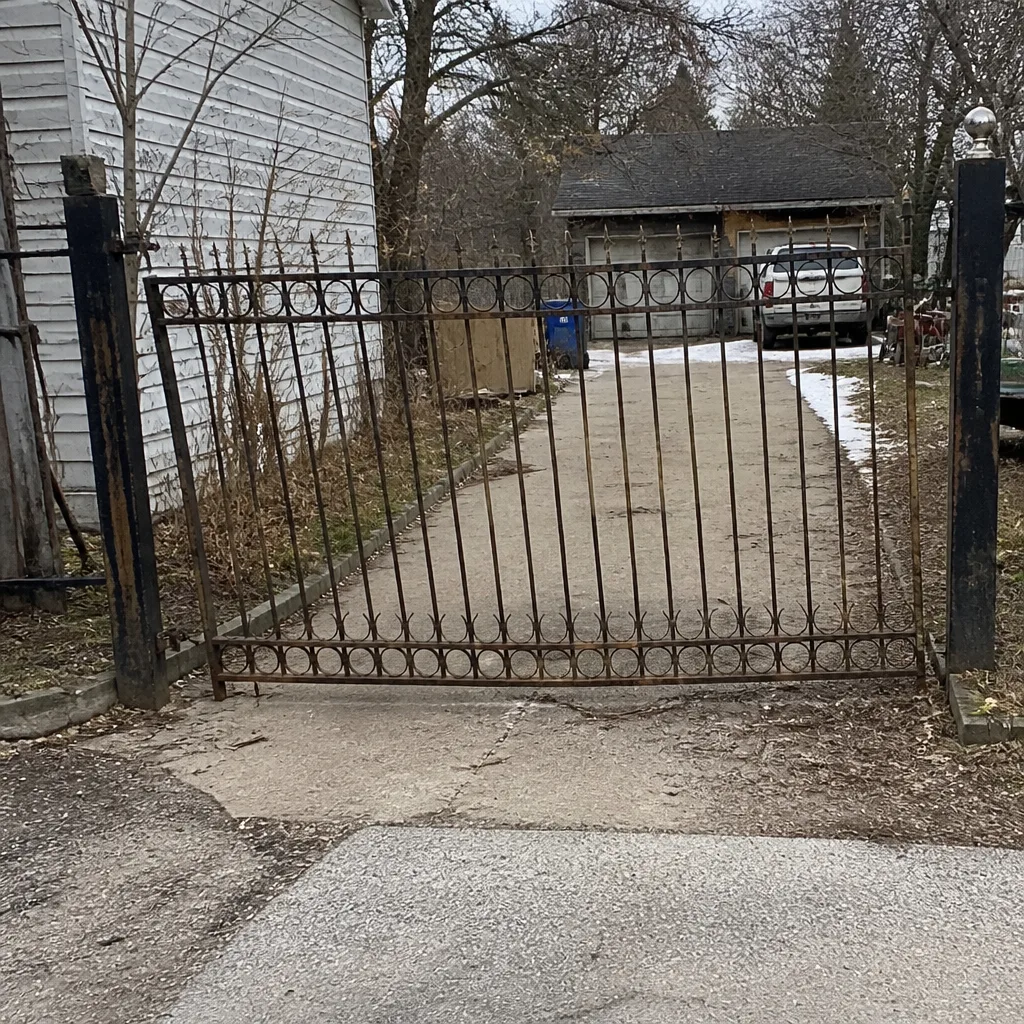 Before
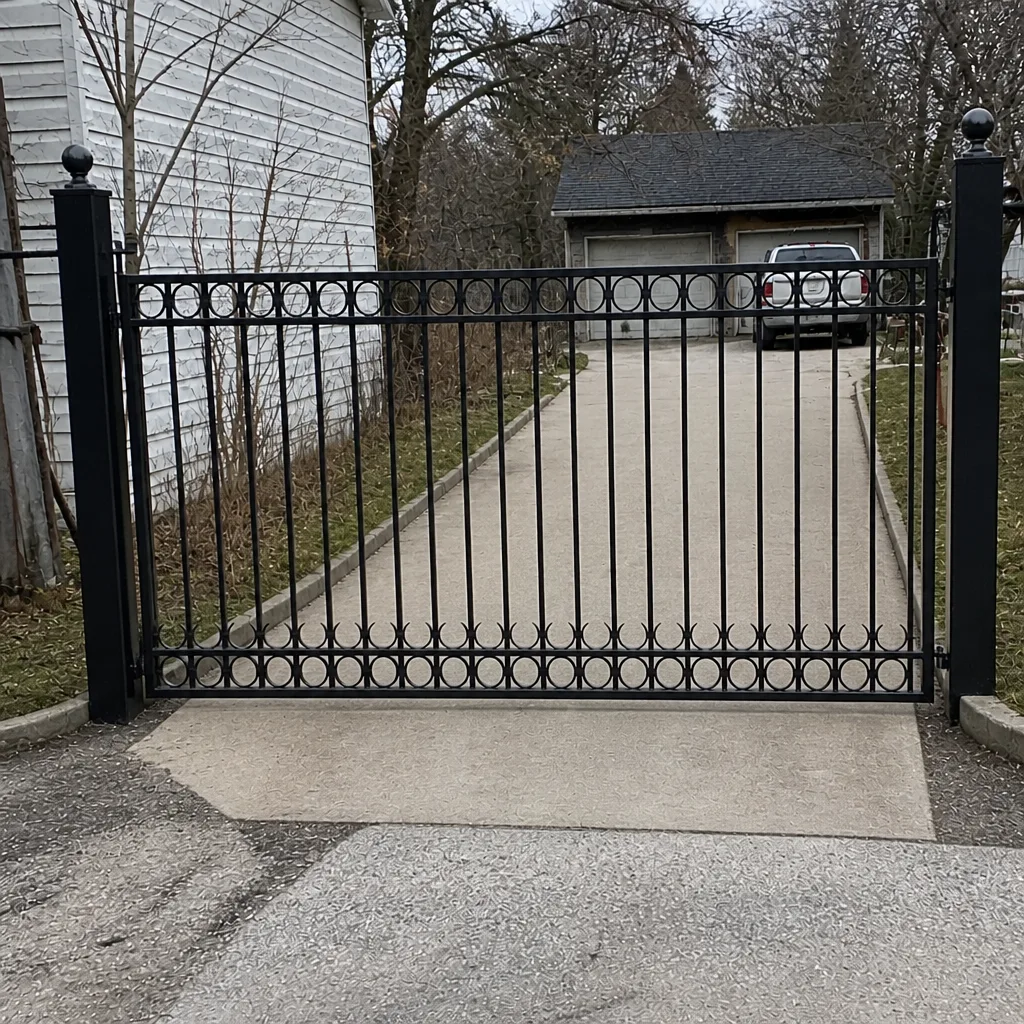 After
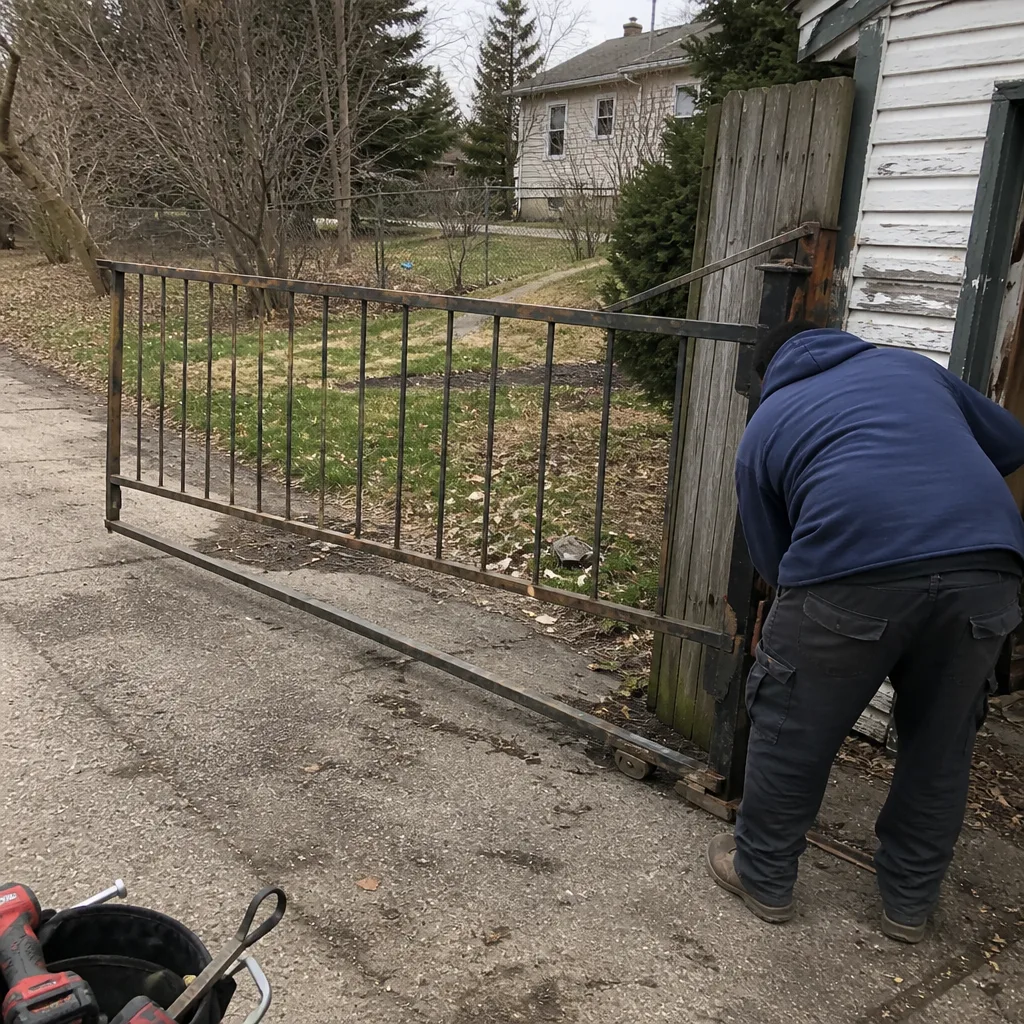 Before
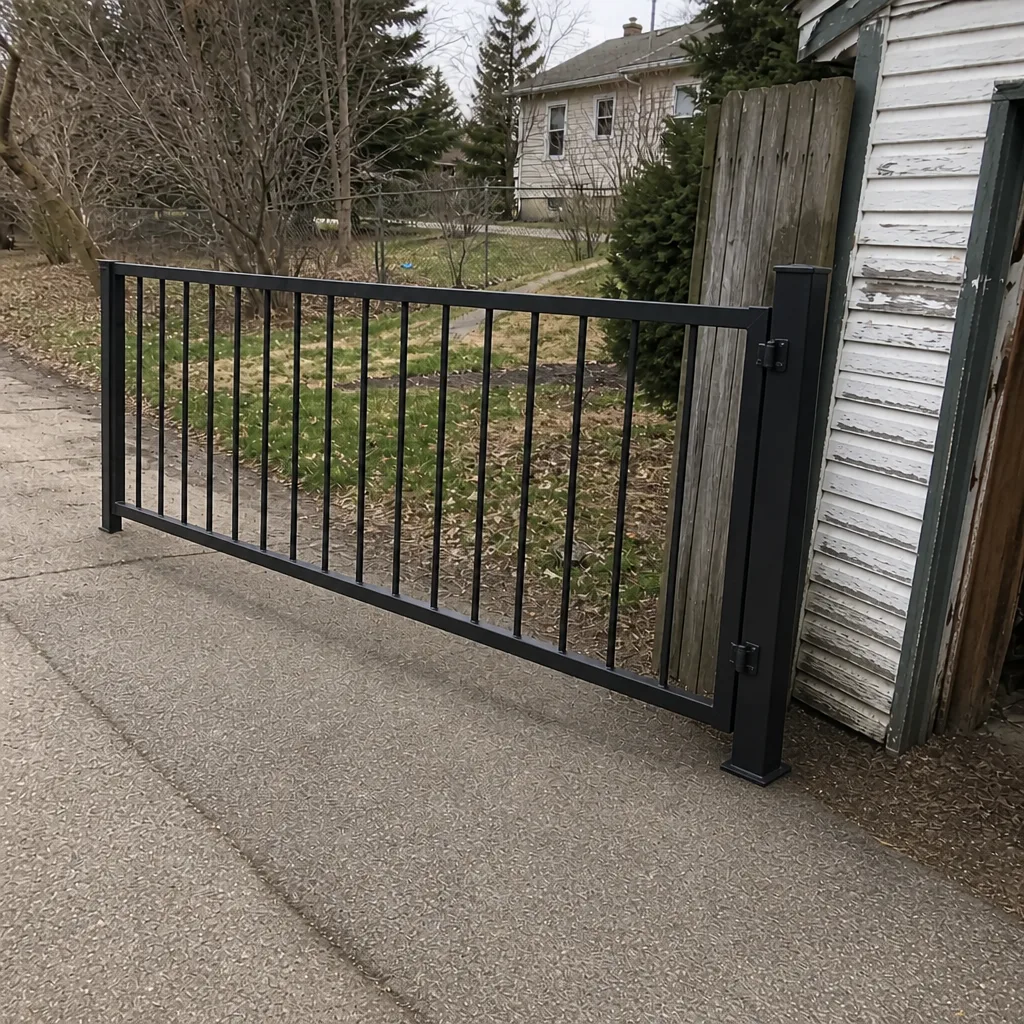 After
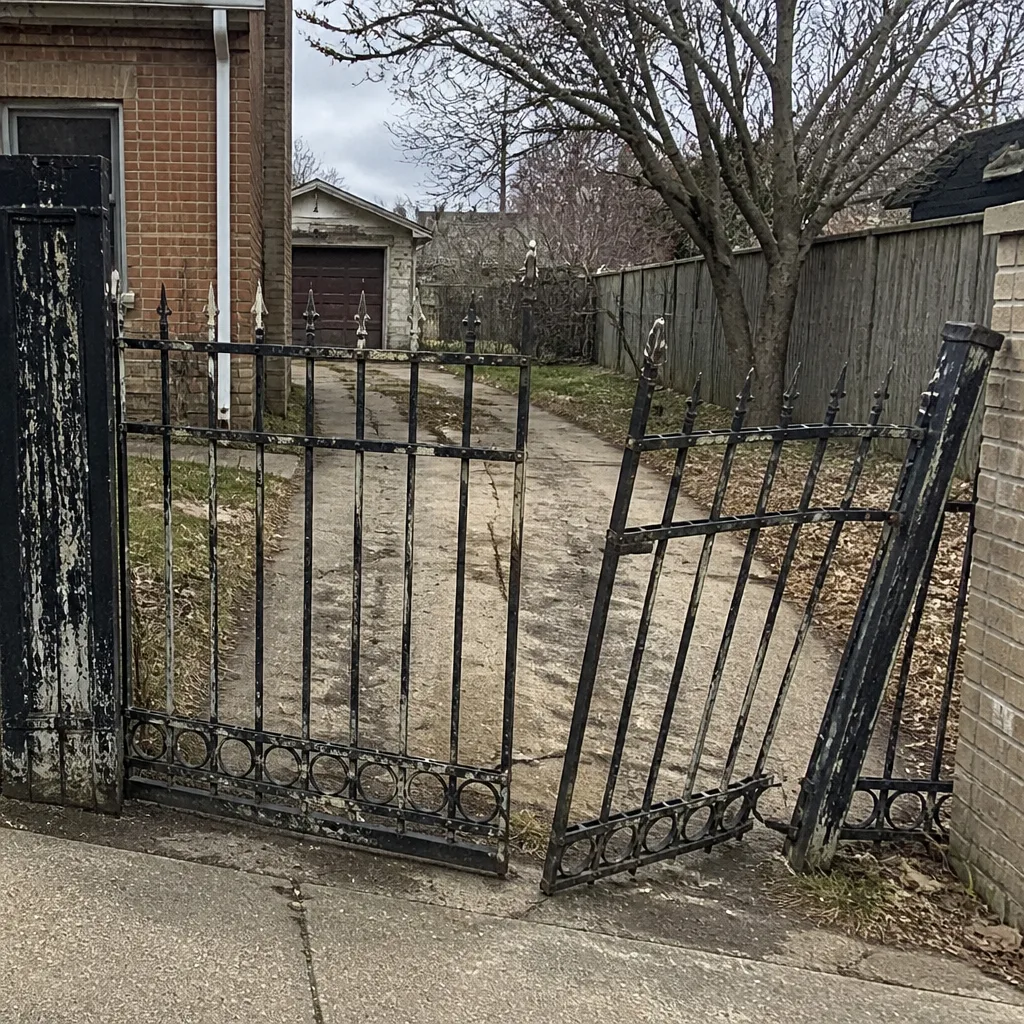 Before
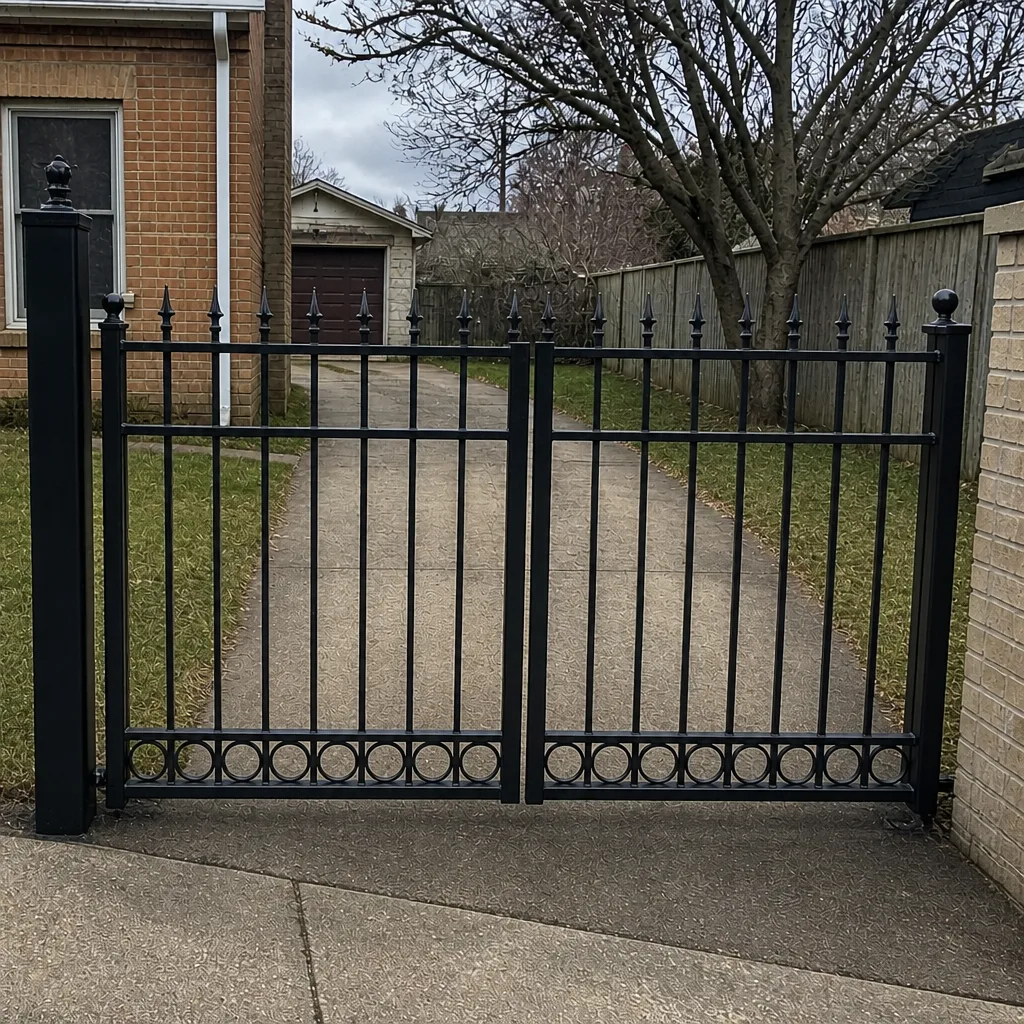 After
When to Call a Professional
Call a professional when a gate starts binding, scraping or straining rather than waiting to see if it clears. Call if your gate has begun reversing without an obstruction, throwing intermittent faults or resetting on its own, especially after a wet spell or a stretch of heat. Call when a post has visibly moved, when a slide gate jumps its track, or when a photo-eye fault persists after cleaning and realignment. Call before the first freeze if you haven’t done a winter prep visit in years, and call in early spring if the thaw has left the gate out of alignment. Gate Repair Elgin offers free estimates in Elgin; call (833) 722-3856. We answer 24/7, and fast dispatch from 7am to 7pm runs Sunday through Friday.
Frequently Asked Questions
Late February through April is when we get the most calls, because the thaw moves the ground and reveals every alignment problem the winter hid. The cold itself rarely breaks a gate; the uneven thaw underneath it does. If you can do a February or March inspection, you’ll catch most spring failures before they turn into operator damage.
Twice a year is the practical minimum in Elgin’s climate: once in October before the first freeze and once in March when the thaw releases the ground. A single annual visit means you’re always reacting to whichever damage window you missed. The two-window schedule catches the cold-side and the thaw-side stress separately.
The first sign is a change in how the gate moves: it binds, scrapes or catches at one part of its travel but not elsewhere, or the operator strains in one direction. Look next for lean at the post base or a gap change between the gate and its post. These early signals let you catch the misalignment before it wears out the operator.
The dropping fall sun angle is the usual culprit. Low-angle sun hits the photo-eyes and triggers false obstruction trips, so the gate reverses or refuses to close in the afternoon even though nothing is in its path. Cleaning and realigning the sensors, especially against the shifted sun path, usually clears it up.
Yes, more than most people expect. High heat and humidity stress control boards and shorten battery life, especially on solar-powered operators. If your gate has started stopping partway or resetting during hot weather, get the board checked before the fault becomes permanent.
We service nine gate brands: LiftMaster, FAAC, BFT, Linear, Viking, Ghost Controls, DoorKing, Elite and Mighty Mule. That covers entry-level residential operators through commercial-grade systems. Call (833) 722-3856 and tell us your system; with up to 9 years of experience across those brands, our technicians can work on your system directly.
The Bottom Line
Seasonal gate care in Elgin works when it follows the climate instead of the calendar. Prep for winter in October and November, then inspect the thaw’s damage in February through April. Spring calls for drainage and corrosion work; summer asks you to watch boards and batteries through the heat and humidity; fall demands vegetation clearing and photo-eye realignment against the dropping sun. Two well-timed visits, one in October and one in March, protect a gate through the year. Do the spring and fall checks between them, and you’ll spend your effort on upkeep instead of repairs. When a gate starts binding, reversing, or straining against a thaw-shifted frame, call Gate Repair Elgin at (833) 722-3856 for a free estimate. We answer 24/7. Fast dispatch from 7am to 7pm, Sunday through Friday. We’re closed Saturday.
Written by the team at Gate Repair Elgin.