
Last updated November 15, 2026
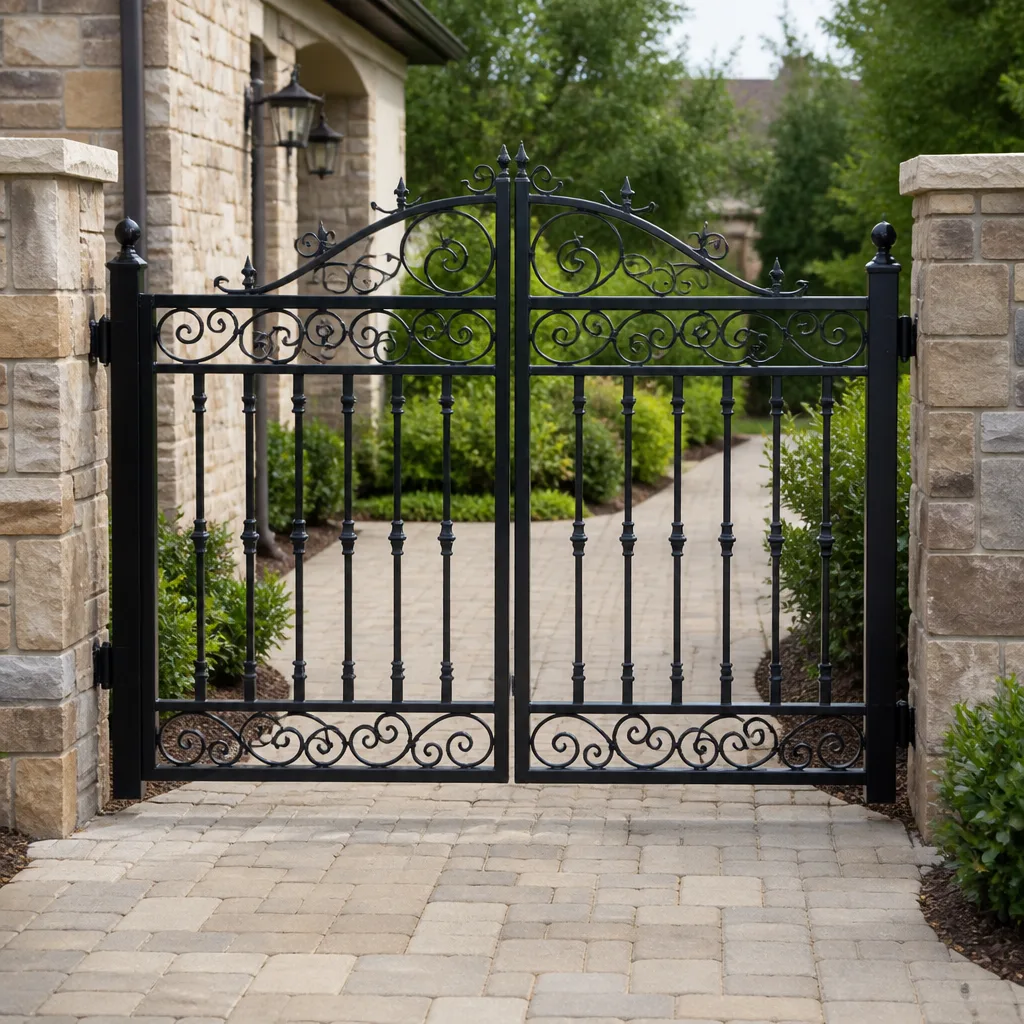 Wrought iron
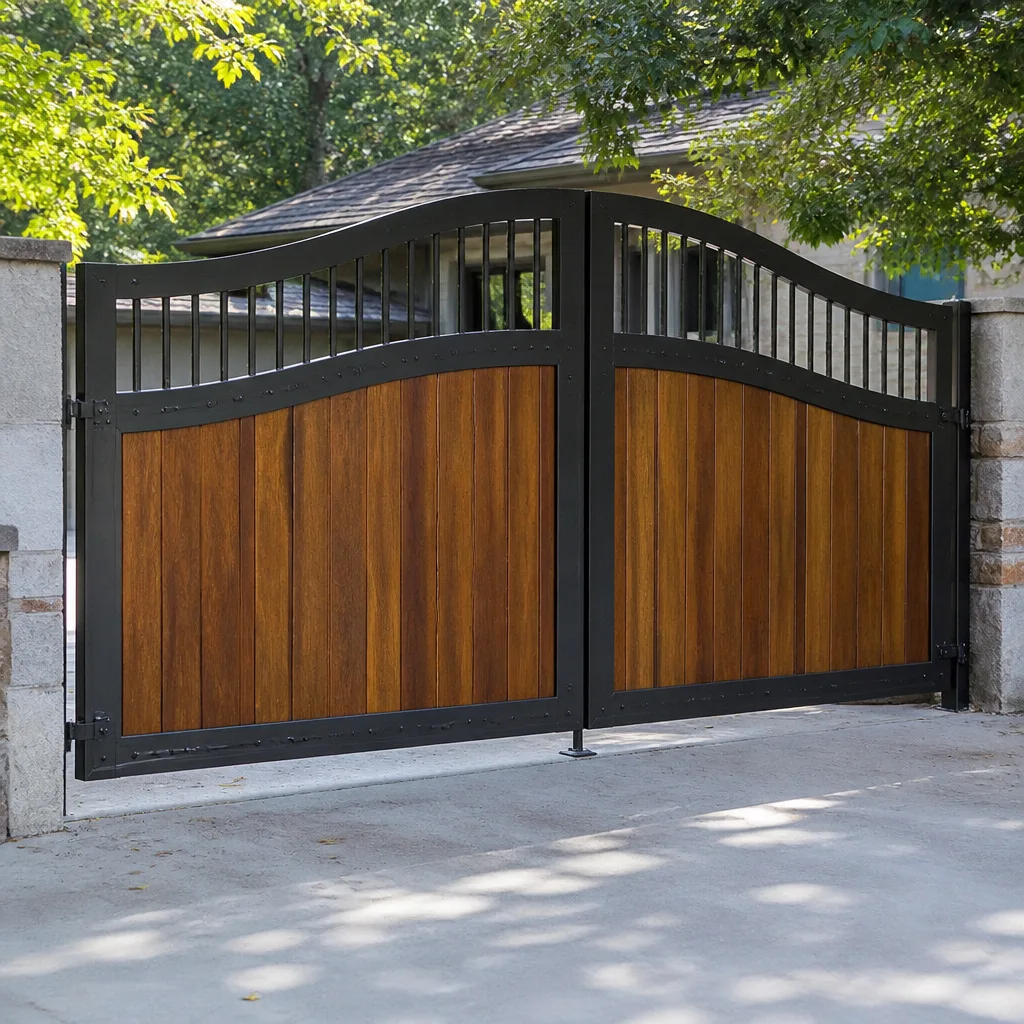 Wood & steel frame
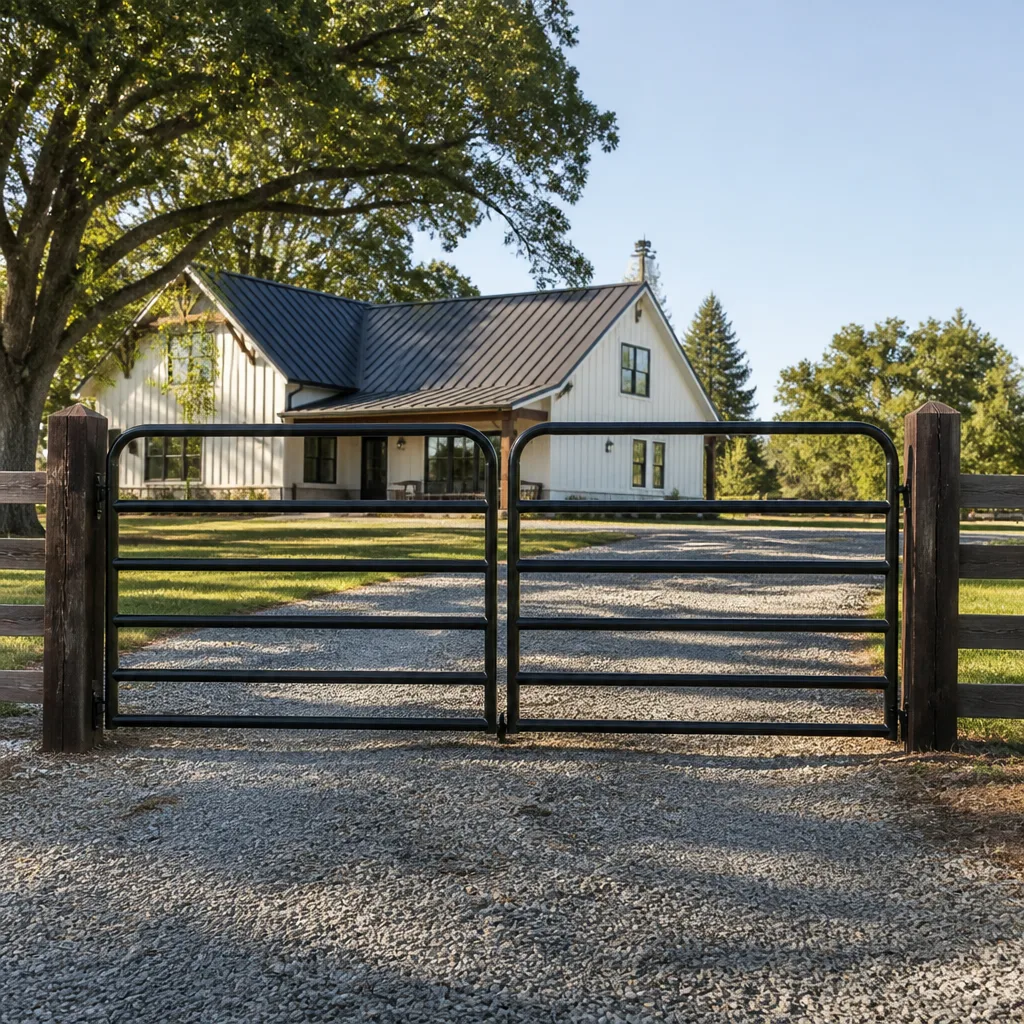 Farm & ranch
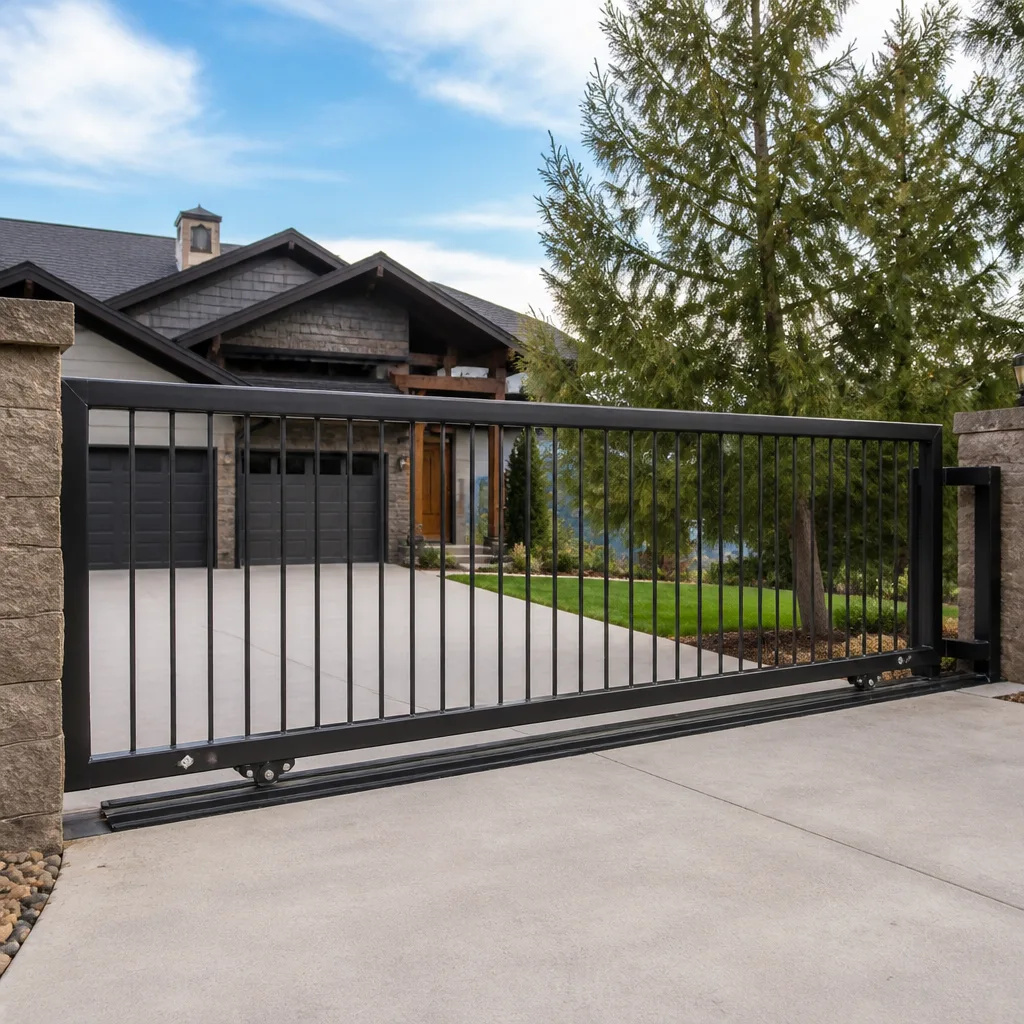 Sliding driveway gates
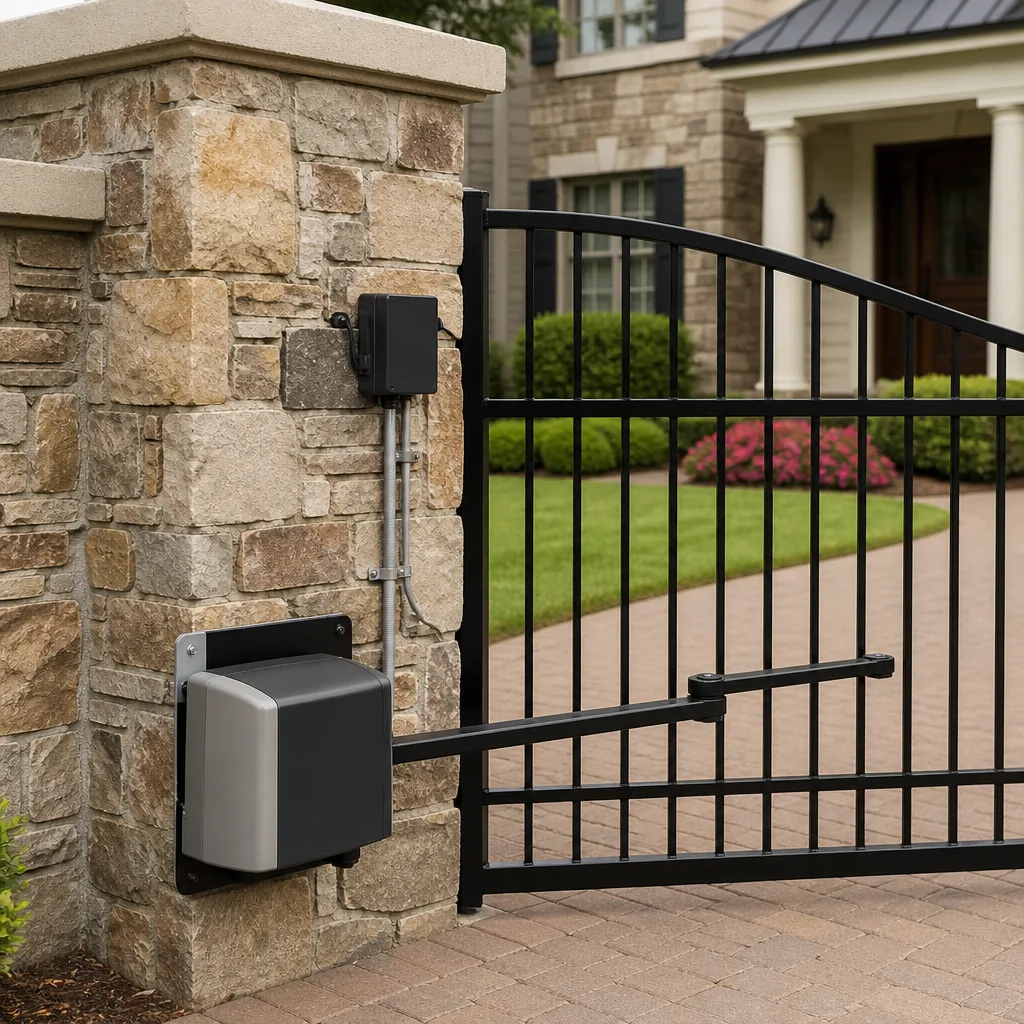 LiftMaster operators
Free on-site gate assessment - hinges, posts, and your LiftMaster or Nice gate operator checked before anything is quoted
The assessment is free and the quote is the invoice.
Get your free estimateGate Repair Maintenance Checklist for Elgin Homeowners
Most gate maintenance advice gets one thing wrong from the start: it treats every gate the same. A chain-drive operator on a vinyl driveway gate in a newer Elgin subdivision ages nothing like a rack-and-pinion slide gate behind a commercial lot off Route 20. The single most common DIY mistake we see is spraying a chain with a general-purpose penetrating oil. It feels like maintenance. It actually strips the factory grease, leaves a tacky film that holds grit, and speeds up wear on the very part the homeowner was trying to protect. This guide breaks the checklist down by gate type, by operator brand, and by what Elgin weather actually does to hardware, so every task you do ties to a failure it prevents.
Quick Answer
A usable gate maintenance checklist for Elgin homeowners has three tiers: a monthly 5-minute walk-around (visual, listen, test), a seasonal reset after the late-winter freeze-thaw cycle (typically late February through April), and an annual deep check of the operator, battery backup, and safety devices. Match your lubricant and inspection points to your gate type and operator brand – chain, screw, or rack-and-pinion – because the wrong product does more harm than skipping the task. If your gate is already sticking, reversing, or dead, that’s gate repair territory, not maintenance.
Styles & brands we work with
- Wrought iron
- Wood & steel frame
- Farm & ranch
- Sliding driveway gates
- LiftMaster operators
Table of Contents
- Why Elgin Gates Age Differently
- The Monthly 5-Minute Check
- Lubrication by Component: What Goes Where
- The Late-Winter Freeze-Thaw Reset
- Testing Safety Reversal and Photo-Eyes
- Battery Backup: Why Summer Success Lies
- Brand-Specific Habits That Pay Off
- The Annual Deep Check
Why Elgin Gates Age Differently
Elgin sits in a climate with real seasonal swing: humid summers, hard winter cold, and a spring thaw that saturates the ground around gate posts. That cycle matters more than most homeowners realize. When soil freezes it lifts and pushes; when it thaws it settles unevenly. A slide gate that ran perfectly flush in November can drag, bind, or jump its track by March even though nobody touched the operator. Swing gates develop sag at the hinge post for the same underlying reason. And every one of those mechanical changes puts extra load on the operator, which is the part that burns out first.
We see this pattern constantly in Elgin, and it’s why a generic “lubricate and test” checklist doesn’t cut it here. The hardware on your gate isn’t aging on a calendar – it’s aging against ground movement, temperature stress on the operator’s control board and battery, and the grit that winter road treatment and spring wind push into exposed tracks and chains. Dividing maintenance into “what a homeowner can do safely” and “what needs a technician under the hood” is how the list stays usable. Our technicians have up to 9 years of experience, and most of what we fix traces back to a small missed adjustment that snowballed over one or two seasons.
The other local factor is gate configuration. A lot of Elgin residential properties use swing gates with chain- or screw-drive operators, because they suit driveways and side yards well. Commercial and larger residential lots lean toward slide gates with rack-and-pinion drives. Each configuration has its own wear points, its own lubricants, and its own “check this first” sequence. Everything below is organized around that.
The Monthly 5-Minute Check
Do this once a month, ideally in daylight, and it takes about five minutes. No tools beyond your eyes and ears. The point is to catch drift early – a gate that’s 95% healthy today and 70% healthy next spring gets expensive.
- Watch a full open-and-close cycle. Don’t just glance. Watch the whole travel. Look for hesitation, jerking, a change in speed, or the gate pausing partway through.
- Listen. A healthy operator runs at a steady pitch. Grinding, squealing, clicking, or a rattle that wasn’t there last month is your early warning.
- Look at the track and path. On a slide gate, check for debris, leaves, gravel, or anything in the track or the gate’s travel path. On a swing gate, look at the ground clearance and the hinge area.
- Test the safety devices. Break the photo-eye beam by hand while the gate is closing and confirm it stops or reverses (more on the exact pass criteria below).
- Eyeball the hardware. Loose bolts, bent brackets, a sagging hinge, a chain with visible slack, a track with a dent. Note anything that’s changed.
- Check the battery indicator if your operator has one. If it’s showing low or fault, write it down – don’t wait for winter to find out.
If any of these turn up, resist the urge to grab a wrench and “tighten things up” – especially on the operator. An adjustment that seems obvious can throw off the limit cams or the travel calibration, and that’s a technician’s job. What you’re doing monthly is observation, not repair.
Lubrication by Component: What Goes Where
This is where the most damage happens, so read it before you touch a can. The rule is simple: use the product the component was designed for, and never substitute a general-purpose spray for a purpose-built one.
- Drive chain: a chain-specific lubricant or a light machine oil made for chains. Never WD-40 or any penetrating oil – it strips the factory grease and leaves a residue that collects grit, which accelerates chain and sprocket wear.
- Hinges and pivot points: a lithium or white lithium grease, applied sparingly. These are high-load, low-speed points and they want a grease film, not a solvent spray.
- Rack-and-pinion drive (slide gates): a dry or moly-type lubricant appropriate for the rack, applied to a clean surface. Grit on the rack is the enemy – clean before you lube, never lube over debris.
- Limit cams and adjustment screws: leave them alone. They’re not lubrication points. Adding oil here attracts dirt and can shift the travel settings.
- Photo-eyes and control boards: never. These are electronics. Lubricant near a control board or sensor lens is a service call, not maintenance.
A quick word on the “clean before you lube” rule: a dirty surface under fresh lubricant is worse than no lubricant at all, because you’ve just glued the grit in place. Wipe or brush the component clean first, let it dry, then apply. And whatever you do, keep the spray away from the operator’s wiring and control housing. That’s the safety zone.
If your gate uses a brand we know well – Ghost Controls and Viking among the residential swing operators, Elite and DoorKing on the commercial side – the manufacturer’s own maintenance guidance is worth reading alongside this list, because the recommended lubricant can differ slightly by drive type. When we do an electric gate service, matching the lube to the specific operator is part of the job.
The Late-Winter Freeze-Thaw Reset
In Elgin, the freeze-thaw window typically runs late February through April, and it’s the most important moment of the maintenance year. That’s when the ground shifts, settles, and leaves gate posts and tracks out of alignment. A gate that was fine in January can be dragging by mid-March. Don’t wait for a failure – do a post-settlement inspection as the ground thaws.
- Walk the post line. Check for visible lean, gaps at the base, or soil that’s heaved up around a post. A settling post tilts the gate and loads the hinges.
- Run the gate and watch for new drag. Compare against how it ran in the fall. A scrape, a bind, or a track jump is a realignment signal, not a fluke.
- Inspect the track and guide rollers on a slide gate for frost heave. A track that’s lifted or shifted needs a technician to realign – forcing it back with a mallet bends it.
- Re-test the safety reversal. A gate that travels differently may not reverse the way it should, and that’s the one check you never skip.
- Book the annual operator check if you haven’t already. Spring is when the combination of post-settlement load and full-service season catches up with aging operators.
The reason this matters more in Elgin than in milder climates is that the damage is often invisible until it’s structural. A half-inch of post lean doesn’t look like much, but it translates to real stress at the hinges and the operator arm every single cycle. Catching it in the thaw is the difference between a realignment and a hinge or operator repair.
Testing Safety Reversal and Photo-Eyes
You don’t need special tools for this, and it’s the single most important thing on the checklist. A gate that doesn’t reverse on contact or stop when the beam is broken is a serious safety problem, especially with children, pets, or vehicles nearby. Here’s how to test it properly, and what a real pass looks like.
- Photo-eye test: while the gate is closing, break the beam with your hand or an object. A passing test means the gate stops and reverses promptly – not slowly, not halfway, but immediately. If it continues even briefly, the sensors are misaligned, dirty, or failing.
- Photo-eye alignment check: look at the sensor lenses. They should face each other squarely, be clean, and the indicator (if present) should show alignment. Sun glare and dirt are the two most common causes of a false pass – a sensor that “works” in the shade can fail when the sun hits it.
- Reversal-on-contact test: during closing, apply light resistance (per the operator’s manual) and confirm the gate reverses. Don’t force it – just enough to trigger the feature. If it doesn’t reverse, stop using the gate and get a technician out.
- Pass criteria: the gate stops or reverses within the travel the operator’s manual specifies, every time, on the first try. If you have to test it three times to get a pass, it’s not passing.
This is the one area where we tell homeowners not to “fix it themselves.” Control boards, safety sensors, and the wiring that connects them carry real electrical hazard, and a mis-set safety device is a false sense of safety. If the beam test fails, keep the gate open and out of service until a trained technician diagnoses it. That’s a safety call, not a sales call.
Battery Backup: Why Summer Success Lies
Here’s the counterintuitive part: a battery backup that “works” on a warm July afternoon can fail at 15°F in January. Battery capacity drops in cold, and a backup that’s marginal in summer – barely holding a charge – is a backup that won’t carry the gate when the power drops and the temperature is below freezing. Testing it in warm weather tells you almost nothing.
How to check it honestly:
- Check the operator’s battery status indicator (many residential operators have one). A fault or low reading in cool weather is an early warning.
- Do a real power-loss test in cool weather, not summer. Cut power to the operator (per the manual’s procedure) and confirm the gate completes a full cycle on battery alone. If it struggles, stalls, or runs slow, the battery needs attention.
- Know the age of the battery. Backup batteries don’t last forever, and a backup that’s several seasons old is the most likely failure point when you actually need it.
- Don’t substitute a car battery or an unlisted battery for the operator’s specified backup. Wrong chemistry and ratings can damage the control board, and we’ve seen it plenty.
If your operator uses a known brand – Ghost Controls and Viking on residential swing gates, DoorKing on access control – the battery spec and the power-loss procedure are in the manual, and following them is what keeps a real test from becoming a repair. When a backup fails its cold-weather test, that’s an electric gate repair job, not a maintenance task.
Brand-Specific Habits That Pay Off
Gates aren’t one-size, and neither is maintenance. The brand of operator tells you which habits matter most. We work on nine: LiftMaster, FAAC, BFT, Linear, Viking, Ghost Controls, DoorKing, Elite, and Mighty Mule. A few brand-specific habits that come up in Elgin:
- Ghost Controls and Viking (residential swing): these are common on Elgin driveways. Watch the arm mounts and the battery backup, and keep the swing path clear – sagging hinges load these operators first.
- Elite (residential and light commercial): a solid closed-loop residential operator; keep the limit settings untouched and test the safety devices on schedule.
- DoorKing (commercial access control): these are often tied to loop detectors and entry keypads. A gate that behaves oddly may be a loop-detection issue, not a mechanical one – don’t adjust the gate to fix a sensor problem.
- FAAC and BFT (commercial-grade): heavier duty, but they still need their own specified lubrication and a spring/arm inspection, not a generic chain spray.
If you’re unsure which operator you have, look at the housing or the manual – or call us and we’ll help identify it. Knowing the brand is the difference between “gate repair in Elgin” that lasts and a fix that comes apart next season.
The Annual Deep Check
Once a year, some tasks need a technician under the hood – and that’s where the safety caveat applies. This checklist keeps a gate healthy; it isn’t a license to open a control panel or handle operator wiring. Here’s the annual list, split so you know what you can do and what to book.
- Inspect the control board and wiring – technician only. Look for corrosion, loose terminals, and rodent damage. Never open the housing yourself.
- Check the operator mount and hardware torque – technician. Loose mounts put load on the drive and the motor.
- Test the full safety suite – reverse, stop, photo-eye, and any edge sensors – and confirm all pass criteria on the first try.
- Check the gate structure – post alignment, hinge wear, and rack condition – especially after freeze-thaw.
- Replace worn consumables – rollers, guide wheels, and backup batteries as needed.
- Verify the access control system – keypads, remotes, and loop detectors all work as intended.
For Elgin homeowners, the smart play is to book that annual deep check in spring, right after the freeze-thaw window. Everything the winter moved is fresh in context, and the technician can realign before the full-season load sets in. Our Elgin service covers the full lifecycle – repair, electric troubleshooting, and new gate installation – so it’s not multiple vendors. When a gate reaches the point where maintenance no longer holds, we’ll tell you that, too.
Common Mistakes to Avoid
- Lubricating a chain with general-purpose oil. It strips the factory grease and collects grit, which speeds up wear. Use a chain-specific lubricant.
- Lubricating over dirt. Clean first, then lube. Fresh lubricant over grit just glues the grit in.
- Adjusting limit cams or the control board yourself. It’s a safety and electronics issue, and small changes throw off travel and reversal.
- Testing the battery backup only in summer. A backup that “works” warm can fail at 15°F. Test in cool weather with a full power-loss cycle.
- Skipping the post-freeze-thaw check. Waiting until the gate drags is how a realignment becomes a repair in Elgin.
- Forcing a stuck or drifting gate. A track dent or a binding gate needs realignment – forcing it bends the track and loads the operator.
- Assuming the brand doesn’t matter. A chain-drive and a rack-and-pinion need different lubes and different inspections. Know what you’ve got.
See the difference
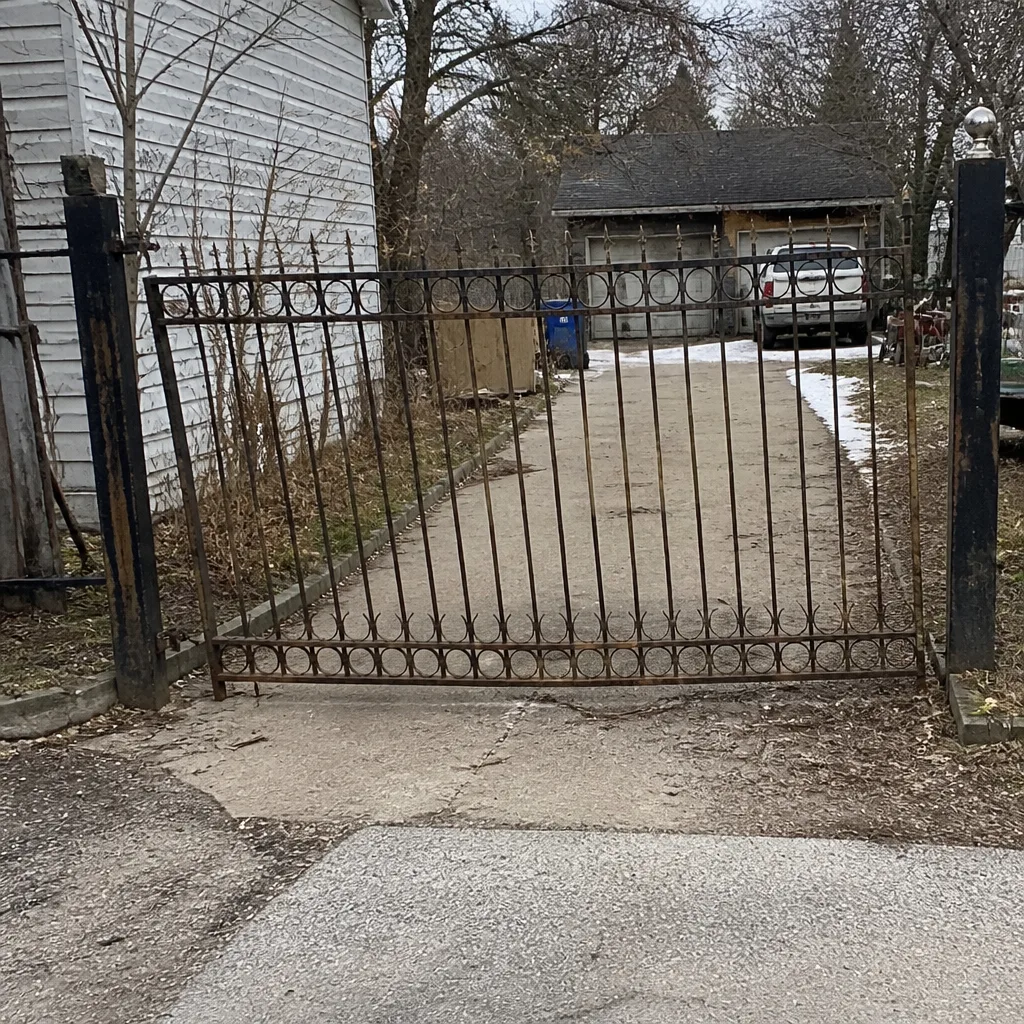 Before
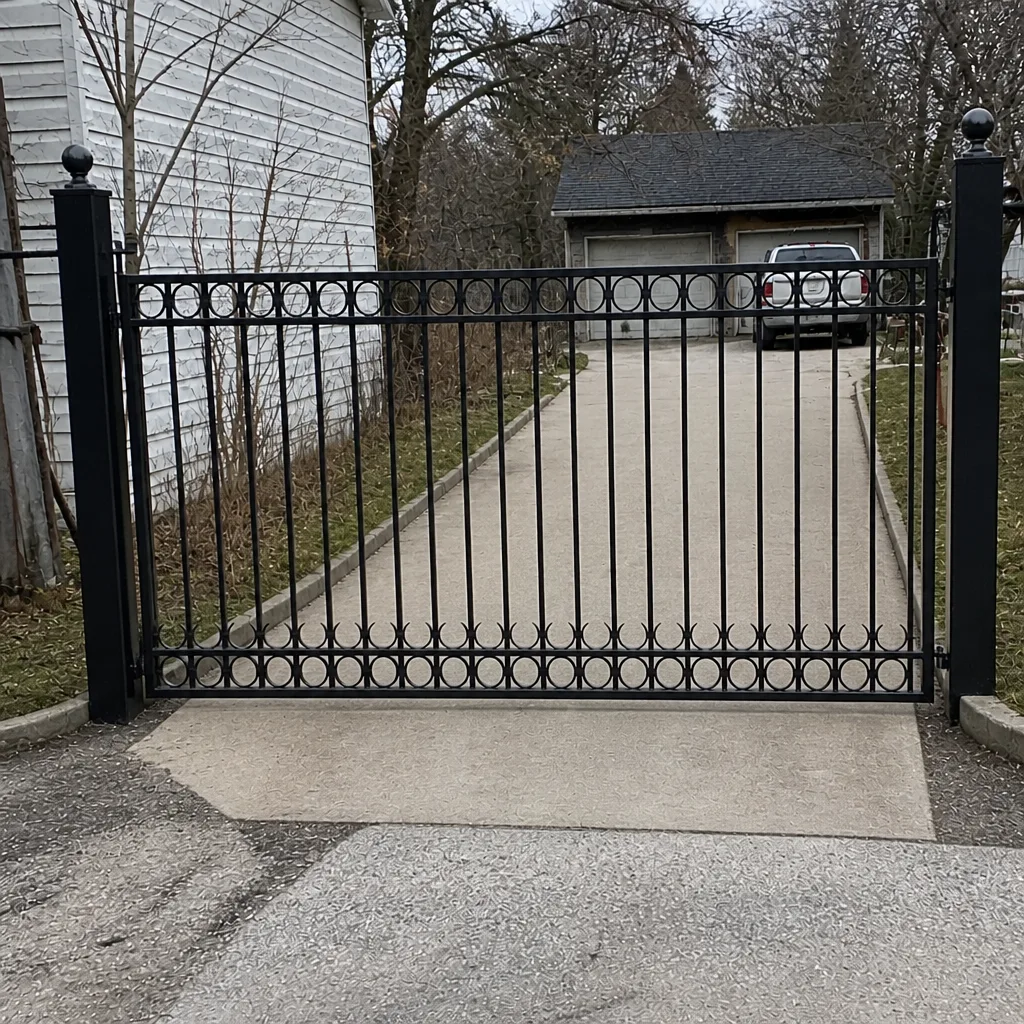 After
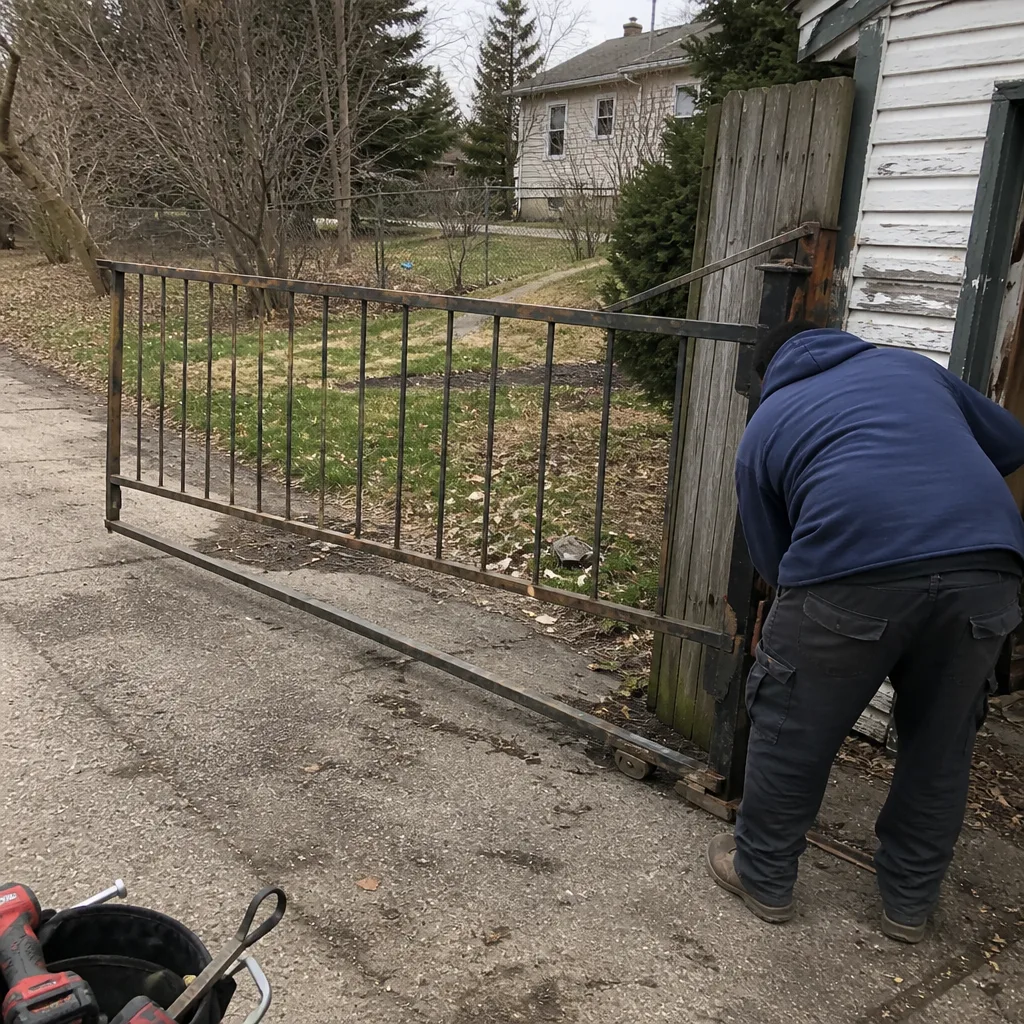 Before
 After
 Before
 After
When to Call a Professional
Call a technician when the gate won’t reverse, the photo-eye test fails, or the control board shows a fault – those are safety issues, not maintenance. Also call if the gate drags, binds, jumps its track, or the operator grows noisy or slow, especially after the spring thaw. And call if the battery backup fails a cool-weather power-loss test, the access control (keypads, remotes, loops) misbehaves, or you hear grinding from the drive. Gate Repair Elgin offers free estimates in Elgin – call (833) 722-3856 to book. We answer 24/7, and fast dispatch runs from 7am to 7pm, Sunday through Friday.
Frequently Asked Questions
Monthly for the 5-minute observation check, a post-freeze-thaw inspection every spring (late February through April), and an annual deep check of the operator, safety devices, and battery. That schedule matches Elgin’s ground movement and winter cold, which are the two biggest drivers of gate wear here.
A chain-specific lubricant or light machine oil made for chains – never a general-purpose penetrating spray like WD-40, which strips factory grease and collects grit. Clean the chain first, let it dry, then apply a thin coat. For hinges, use a lithium grease; for rack-and-pinion drives, use a dry or moly-type product. Call (833) 722-3856 for a free estimate if you’re unsure what your operator needs.
Break the photo-eye beam while the gate is closing – a pass means it stops and reverses immediately, not slowly. During closing, apply light resistance and confirm the gate reverses per the operator’s manual. If it doesn’t pass on the first try, stop using the gate and call a technician. We answer 24/7 at (833) 722-3856.
Battery capacity drops in cold, so a backup that’s marginal in warm weather can fail at 15°F. Test it in cool weather with a real power-loss cycle, and check the battery age – an older backup is the likely culprit. If it fails the cold test, that’s an electric repair, not maintenance.
Typically late February through April. The ground shifts and settles, which can leave posts out of alignment and tracks uneven, so a post-settlement inspection and realignment check in early spring catches problems before the full-season load sets in.
No – and you shouldn’t try. The monthly observation check, cleaning, cleaning-first lubrication, and photo-eye tests are homeowner-safe. Opening the control board, adjusting limit cams, realigning a track, servicing the battery, and any wiring work are technician tasks, because they carry electrical and safety hazards. For the annual deep check, call Gate Repair Elgin at (833) 722-3856.
The Bottom Line
Gate maintenance in Elgin is about matching the task to your gate type, its operator brand, and the local freeze-thaw cycle, rather than a generic to-do list. Use a monthly 5-minute observation check, a post-winter reset in late February through April, and an annual deep check that involves a technician. Lubricate the right component with the right product, never substitute a spray for purpose-built lube, and test your safety reversal honestly – first try or no pass. Test the battery backup in cool weather, not summer, and keep the control board, limit cams, and wiring to a trained technician. That combination prevents most of what we see on Elgin gates. When a problem’s beyond maintenance, Gate Repair Elgin is one call away.
Call (833) 722-3856 for a free estimate. We answer 24/7. Fast dispatch from 7am to 7pm, Sunday through Friday. A call outside those dispatch hours is booked into the next opening.
Written by the team at Gate Repair Elgin.