
Last updated November 15, 2026
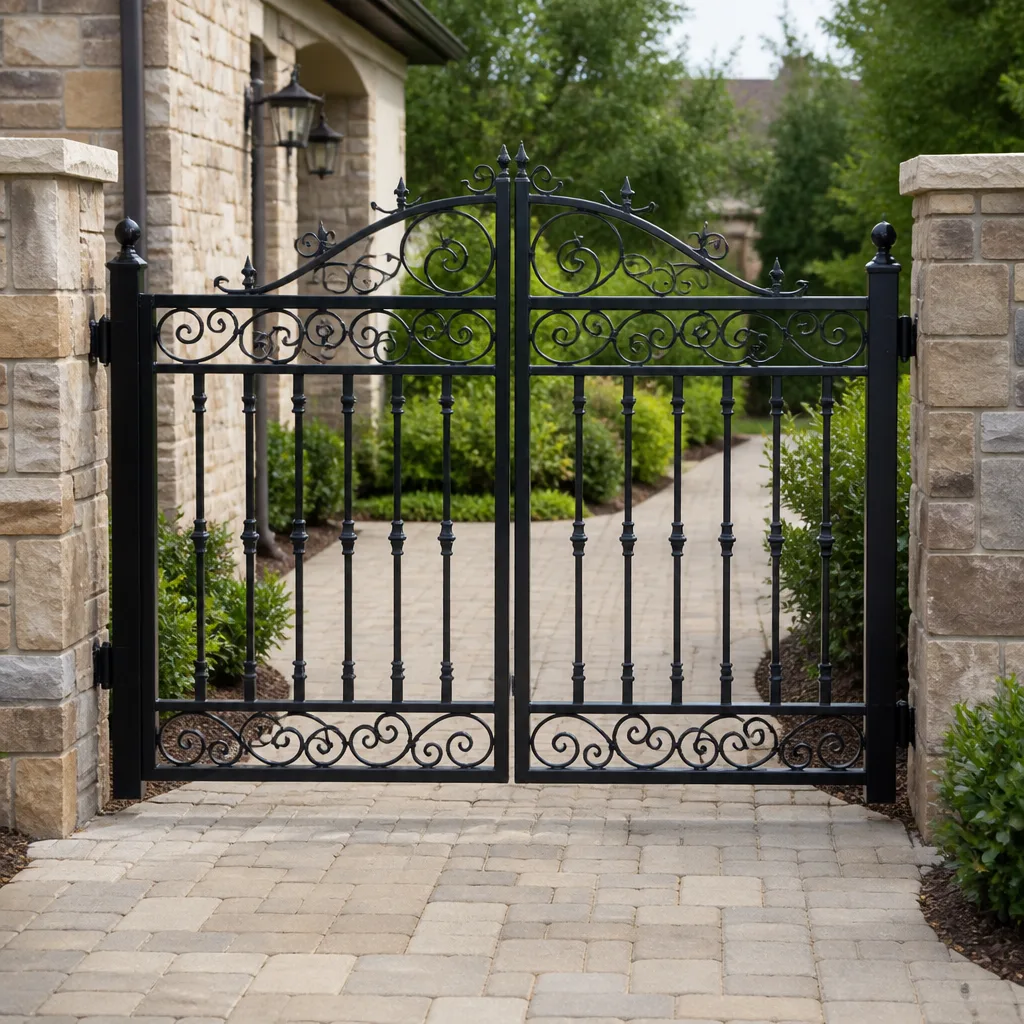 Wrought iron
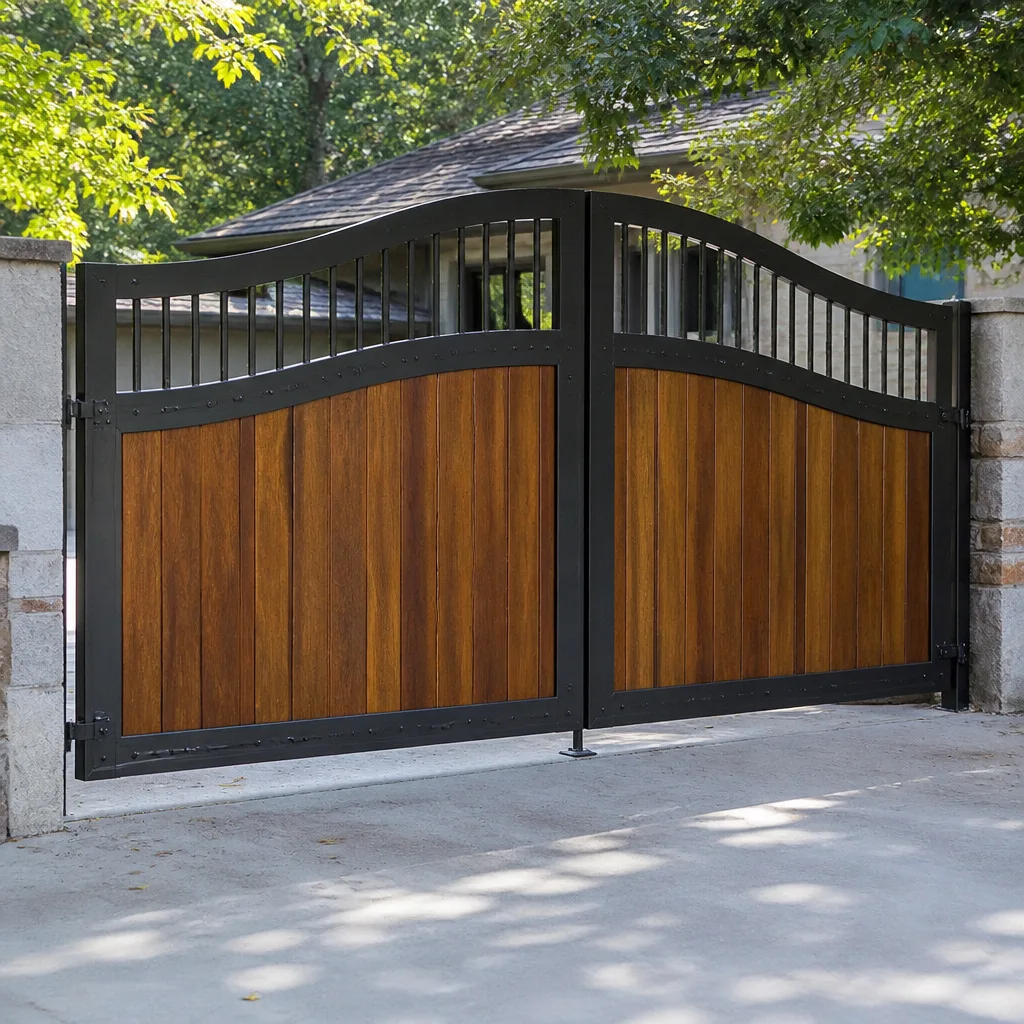 Wood & steel frame
 Farm & ranch
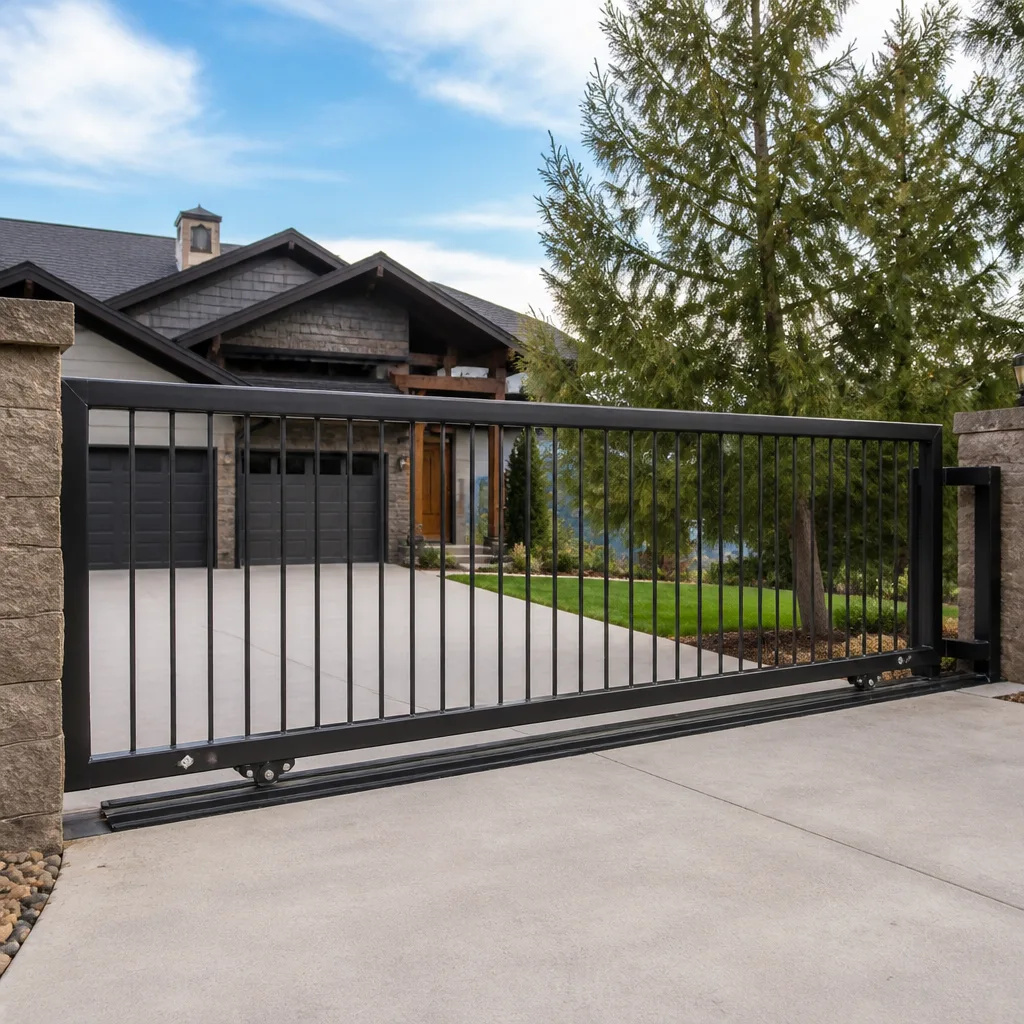 Sliding driveway gates
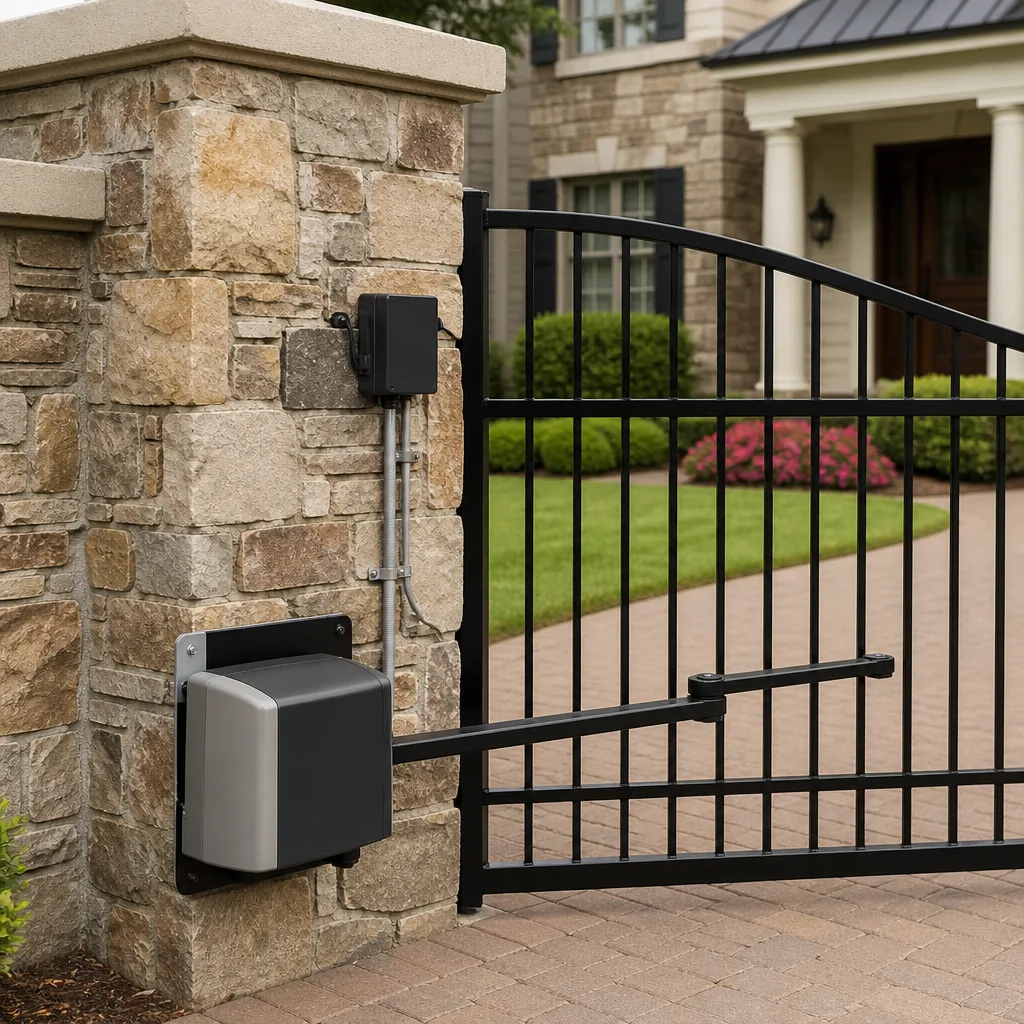 LiftMaster operators
Free on-site gate assessment - hinges, posts, and your LiftMaster or Nice gate operator checked before anything is quoted
The assessment is free and the quote is the invoice.
Get your free estimateGate Repair Permits, Codes & Inspections in Elgin, IL: What You Need to Know
A gate operator hardwired to your home’s electrical panel is treated as a permanent electrical installation under Illinois code, not a plug-in appliance. That distinction decides whether you need a permit, and it trips up plenty of homeowners around Elgin who assume a gate is just hardware bolted to a post. Most gate professionals know the line. Some contractors don’t, and that’s where trouble starts years down the road at a home sale or an insurance claim. This guide walks through when the City of Elgin treats your project as a repair and when it treats it as an installation, what the UL 325 safety standard requires, how HOA covenants stack on top of city code, and what happens when unpermitted work surfaces. By the end you’ll know exactly which projects need a permit and what an inspector actually looks at.
Quick Answer
In Elgin, repairing an existing gate operator or swinging a gate panel back into alignment generally does not require a permit. Installing a new electric gate operator, running new electrical service to a gate, or building a new gate and fence line typically does, because it involves permanent wiring and structural work. All residential gate operators sold and installed in Illinois must meet the UL 325 safety standard, and an inspection will check that safety devices, entrapment protection, and the electrical connections are in place. When in doubt, call the City of Elgin building department before work starts; the permit question is almost always settled in one phone call.
Styles & brands we work with
- Wrought iron
- Wood & steel frame
- Farm & ranch
- Sliding driveway gates
- LiftMaster operators
Table of Contents
- Repair vs. Installation: Where the Permit Line Falls in Elgin
- Why Your Electric Gate Operator Triggers an Electrical Permit
- UL 325 Safety Requirements and What an Inspector Checks
- How HOA Covenants Overlay City Code in the Elgin Area
- Pulling the Permit Yourself vs. Having Your Contractor Do It
- What an Inspection Actually Looks At
- Unpermitted Gate Work and Your Home Sale
- Step-by-Step: A Permitted Gate Installation in Elgin
Repair vs. Installation: Where the Permit Line Falls in Elgin
The simplest way to think about it: if the work changes the electrical supply, the structural footprint, or the safety envelope of the gate system, Elgin treats it as an installation. If it restores what’s already there to working order without touching those three things, it’s a repair.
This matters because the City of Elgin reviews gate and fence projects under its local building code, and the city’s building department is the authority on what needs a permit and what doesn’t. The code itself doesn’t use the words “gate repair” as a category. It looks at scope. A technician replacing a control board, a remote receiver, a photo-eye sensor, or a worn hinge is doing repair work. A crew digging new footings, running conduit from the house to a new operator, or replacing a gate panel with a heavier one is doing installation work.
Here’s how the split usually lands:
- Repair, no permit typically: replacing a control board or limit switch, swapping a remote receiver, realigning a sagging gate panel, replacing a hinge or roller, adjusting a safety sensor, replacing a battery backup.
- Installation, permit typically required: a new electric gate operator hardwired to the home’s electrical panel, new conduit or electrical service run to a gate, a new gate and post line, a gate that changes the property line or setback, a change in operator class from residential to commercial-grade.
Elgin’s housing stock matters here. The older neighborhoods close to downtown have a lot of short driveways and detached garages where a gate has to fit tight quarters, and the electrical run from the house is often short and easy to inspect. Newer subdivisions on the west side have longer driveways where the conduit run is a bigger job and the electrical permit is more clearly in play. In both cases, the permit question is about what the work touches, not where you live.
If you’re only replacing hardware on an operator you already own, this is squarely gate repair and permit questions rarely come up. If the work involves pulling a new circuit or mounting a new operator, it’s installation, and it needs to be treated that way from the start.
Why Your Electric Gate Operator Triggers an Electrical Permit
A plug-in appliance you can unplug and walk away with. A gate operator hardwired to your home’s electrical panel is neither of those things. The National Electrical Code, adopted in Illinois with local amendments, treats a permanently connected motor circuit as a permanent electrical installation, and that’s the trigger most homeowners miss.
Think about what actually happens when a technician installs an electric gate operator. A circuit is run from the panel, usually on its own breaker. Conduit is buried or surface-mounted from the house out to the gate. A disconnect is installed near the operator so a technician can kill power safely. The operator is grounded. Every one of those steps is electrical work, and in Elgin that work falls under the electrical permit process.
This is why even a high-quality residential operator like a Ghost Controls or Mighty Mule unit, which are often marketed to homeowners as DIY-friendly, still raises the permit question once you get to the hardwired connection. The operator itself is fine. The wiring is what gets regulated.
There’s a second reason the electrical permit matters: safety. A gate operator draws meaningful current, sits outdoors in Illinois weather, and runs unattended for years. Loose conduit, an undersized wire gauge, a missing ground, or a junction box that fills with water are all problems an inspector catches and a homeowner never will until something fails. The inspection isn’t a formality. It’s the one moment in the project when the electrical work gets a second set of eyes.
If your gate operator has lost power or is throwing control-board faults, that’s a different kind of call. electric gate repair handles the diagnosis and the fix, and if the repair crosses into rewiring, we’ll tell you whether the scope pushes it into permit territory. That conversation is worth having before anyone picks up a shovel.
UL 325 Safety Requirements and What an Inspector Checks
UL 325 is the safety standard that covers automated gate operators, and it applies to every residential gate operator installed in the United States, full stop. It’s not a suggestion and it’s not brand-specific. It’s the baseline, and any inspector who looks at an Elgin gate installation knows it well.
The core of UL 325 is entrapment protection. An automatic gate is a heavy moving object, and the standard requires that the operator have at least one means of detecting an obstruction and reversing or stopping before it crushes something or someone. In practice that means one or more of the following:
- Photo-eye sensors: a beam across the gate opening that stops or reverses the gate when broken.
- Safety edges: a pressure-sensitive strip on the leading edge of the gate that reverses the operator on contact.
- Loop detectors: buried inductive loops that sense a vehicle at the gate and hold it open or prevent closing.
An inspector checking a residential gate in Elgin will typically verify that the operator is a UL 325 listed unit, that the required safety devices are installed and functioning, that the reversing or stopping behavior actually works when tested, and that the electrical connections are sound. They’ll also look at the operator’s manual to confirm the installation matches the manufacturer’s requirements. A gate that closes on a sensor break without stopping won’t pass.
This is where the brand range on a specialist’s side actually matters. We work on LiftMaster, FAAC, BFT, Linear, Viking, Ghost Controls, DoorKing, Elite, and Mighty Mule operators, from residential swing and slide units up through commercial access control systems. Each brand handles entrapment protection differently – some have integrated photo-eye logic in the control board, some require separate safety modules, and the diagnostics for “gate won’t reverse” are brand-specific. An inspector doesn’t need to know the brand. A technician who arrives to fix the failure afterwards does.
How HOA Covenants Overlay City Code in the Elgin Area
City code is the floor, not the ceiling. If your property sits in a subdivision with an active HOA, the HOA’s covenants can impose stricter requirements than Elgin’s building code, and the two sets of rules run in parallel. You have to satisfy both.
What HOAs commonly regulate on gates:
- Aesthetics: gate material, color, finish, and the style of the posts and fencing.
- Setbacks: how far the gate can sit from the property line or the street frontage.
- Height: gate height caps that may be below what city code allows.
- Visibility and sight lines: restrictions on solid panel gates near corners or intersections.
- Operator appearance: rules on hiding or screening the operator hardware from the street.
- Approval process: a requirement to submit plans to the architectural review committee before work starts.
The friction point is when HOA rules and city code pull in different directions. An HOA might require a gate to sit further back from the street than the city’s setback minimum, which is fine, or it might require a shorter gate than the city’s safety envelope for a commercial operator would prefer, which needs a conversation. In practice, when the HOA is stricter, you follow the HOA. When the HOA demands something the city would flag as unsafe or non-compliant, the conversation goes to the city first, then back to the HOA board.
Elgin’s newer subdivisions on the west side and the gated enclaves on the outskirts are the most likely places to hit this. If you’re in an HOA and you’re planning a new gate or a new operator, get the HOA’s architectural approval in hand before the permit application goes in. The building department will want to see it, and the inspection won’t get scheduled without a clean paper trail.
Pulling the Permit Yourself vs. Having Your Contractor Do It
Both are possible. Only one is correct for most projects, and the deciding factor is scope.
Pull it yourself when:
- You’re doing the electrical work yourself and you’re licensed or the city allows homeowner permits for it.
- The scope is small and clearly defined – a straightforward replacement operator on existing wiring, for example.
- You’re confident you can follow the inspection requirements and be available for the inspection.
Have your contractor pull it when:
- The work involves new electrical circuits or conduit runs.
- The operator is a commercial-grade unit like a DoorKing or FAAC system with more complex access control wiring.
- The scope involves structural changes to the gate or posts.
- You want the contractor to be the point of contact for the inspector and for any corrections.
The general rule: the person doing the work pulls the permit. That’s not a bureaucratic nicety. It’s what keeps the responsibility chain clean if the inspector flags a correction. If the contractor pulled the permit, the contractor fixes the correction. If you pulled it, you do.
One important caution: if you hire someone who’s not licensed to do electrical work and the project needs an electrical permit, a permit pulled under that person’s name won’t survive inspection. That’s one of the reasons a specialist matters here. If you’re bringing in a dedicated gate technician for the operator installation, ask up front whether they pull the permit and whether they coordinate the inspection. If they don’t, that’s a signal about what kind of operation they run.
What an Inspection Actually Looks At
The inspection is more than a signature. For a residential gate operator in Elgin, expect the inspector to work through a rough list like this:
- Permit and plans on site. The inspector starts with paperwork. The permit has to be posted, and the project has to match what was applied for.
- UL 325 listing. The operator has to be a listed unit – model and manual on hand to confirm.
- Entrapment protection. Photo eyes, safety edges, or loop detectors have to be present, powered, and functional.
- Reversing and stop test. The inspector will physically test the gate’s response to an obstruction. A gate that doesn’t reverse or stop on contact fails.
- Electrical connections. Grounding, conduit, disconnect location, junction boxes, and wire protection all get checked against the electrical code.
- Footings and posts. Post depth and footing condition, per the installation plan.
- Clearances. Swing clearance, slide track clearance, and any setback requirements from city code or the HOA.
The corrections most often flagged on a first inspection are missing or non-functional safety devices, grounding issues, and an operator that doesn’t match the plans. All three are avoidable if the install was planned correctly. In our experience, when the inspection fails, it almost always fails on something that was visible to a trained eye before the technician left the job.
Once the inspection passes, the permit gets closed out. Keep the final inspection record with your home’s paperwork. It’s the single most useful document you’ll have if you ever sell.
Unpermitted Gate Work and Your Home Sale
Unpermitted gate work is not a deal-breaker, but it is a disclosure item, and it does slow closings down. The most common way it surfaces is during the buyer’s inspection, when a sharp home inspector notices a new operator, a new conduit run, or a new electrical disconnect near the gate and asks the seller for the permit.
Here’s how the remediation usually goes:
- Buyer’s inspector flags the work. The gate appears newer than the disclosed permitting would account for.
- Seller checks records. No permit exists in the city’s file, which means unpermitted work per the city’s records.
- Seller either produces a permit or discloses the work as unpermitted. Disclosure is common and often acceptable to a buyer, but it changes the negotiation.
- Buyer asks for a permit to be pulled retroactively. Elgin’s building department can tell you whether a retroactive permit is available for the scope, and what inspection it requires.
- Corrections get made, then re-inspected. If the work has problems – missing safety devices, inadequate grounding – a licensed technician needs to correct them before the retrofit inspection passes.
- Closeout documents go in the file. The final inspection record travels with the house.
The dollar impact varies with the scope of the correction. A missed safety device and a re-inspection is one category. A full electrical redo because the wiring was never up to code is another. We don’t quote retroactive remediation from a distance because the honest answer always depends on what the inspector finds, but the takeaway is simple: the cost of pulling the permit at the time of the original install is far smaller than the cost of discovering the problem three years later under closing pressure. Insurance claims work the same way. An insurer can reduce a claim on a gate-related loss if the electrical installation behind the operator was never permitted.
Step-by-Step: A Permitted Gate Installation in Elgin
If you’re planning a new electric gate or a new operator in Elgin, the process runs in a reliable order. Here’s the sequence a well-run project follows:
- Confirm the scope with a written plan. Decide whether this is a repair or an installation, and write down exactly what will be replaced or added. This decides whether you need a permit at all.
- Get HOA approval if you’re in a subdivision. Architectural review first, before the permit application goes in.
- Call the City of Elgin building department. Confirm the permit type and the inspection requirements for your scope. This is a five-minute phone call that settles most of the questions.
- Submit the permit application. Usually a building permit for the structural part, an electrical permit for the wiring, and sometimes both.
- Schedule the installation. Operator, conduit, safety devices, footings, gate. Installation is measured, ordered, and scheduled – not same-day work.
- Request the inspection. The contractor or homeowner on the permit calls for inspection once the work is done.
- Pass inspection, get the closeout record. File it with your property documents.
- Set up routine use and store the manual. Keep the operator’s manual with the warranty documents. It has the UL 325 safety information your inspector relied on and the diagnostics any future technician will need.
For a repair on an existing operator, skip steps 3 through 7 entirely. That’s the definition of Gate Repair Elgin work, and it doesn’t trigger the permit process. The line between the two paths is what the repair touches. If the fix is a control board, a sensor, or a mechanical adjustment, you’re on the repair path. If the fix involves opening the electrical panel or running new wire, you’re back on the installation path.
Elgin’s weather compresses the useful installation window. Illinois freeze-thaw cycles over the winter make spring and early fall the cleanest times to dig footings and pour pads, and that’s also when the building department handles the most permit traffic. Planning ahead by a few weeks is worth the effort. Trying to rush a gate install in the middle of a hard freeze is not.
Common Mistakes to Avoid
- Assuming a “plug-in” gate means “no permit.” Most residential operators are hardwired, not plug-in, and hardwired means electrical permit territory. Confirm what kind of connection your operator actually uses before deciding.
- Forgetting the HOA when there’s a permit. Even a perfectly permitted gate in an Elgin subdivision can come back to bite you if the architectural review committee never approved the color or the setback. Get HOA sign-off before you apply.
- Letting a non-electrician do the wiring. The gate technician has to be qualified to do electrical work, or a licensed electrician has to handle that part. An unlicensed electrical connection is what sinks the inspection and complicates insurance later.
- Skipping the safety devices to save on the install. UL 325 isn’t optional, and a gate that reverses on contact is the thing an inspector will test first. Missing safety devices are the number-one correction on a first inspection.
- Pulling the permit after the work is done. A retroactive permit is possible in some cases, but it costs more, takes longer, and means corrections are being made under deadline. Pull it before, not after.
- Using a generalist for a gate-only project. Gate operators, especially commercial units like DoorKing and FAAC systems, have specific diagnostics that a general handyman won’t have. The wrong technician can install the gate wrong and pass the inspection, then leave you with a control board failure six months later.
- Not keeping the inspection record. The closeout inspection document is the single thing that will save you a headache at sale. Keep it with your other home documents, not in a drawer somewhere.
See the difference
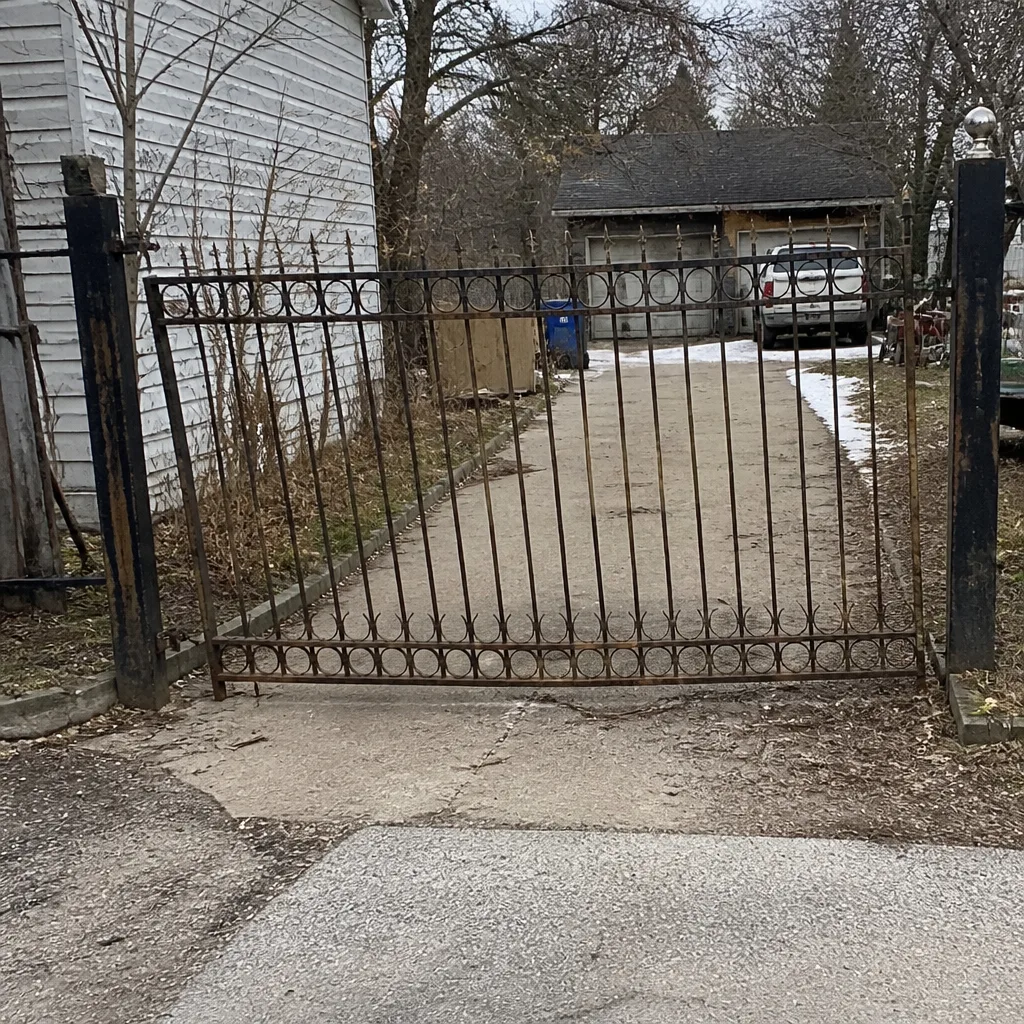 Before
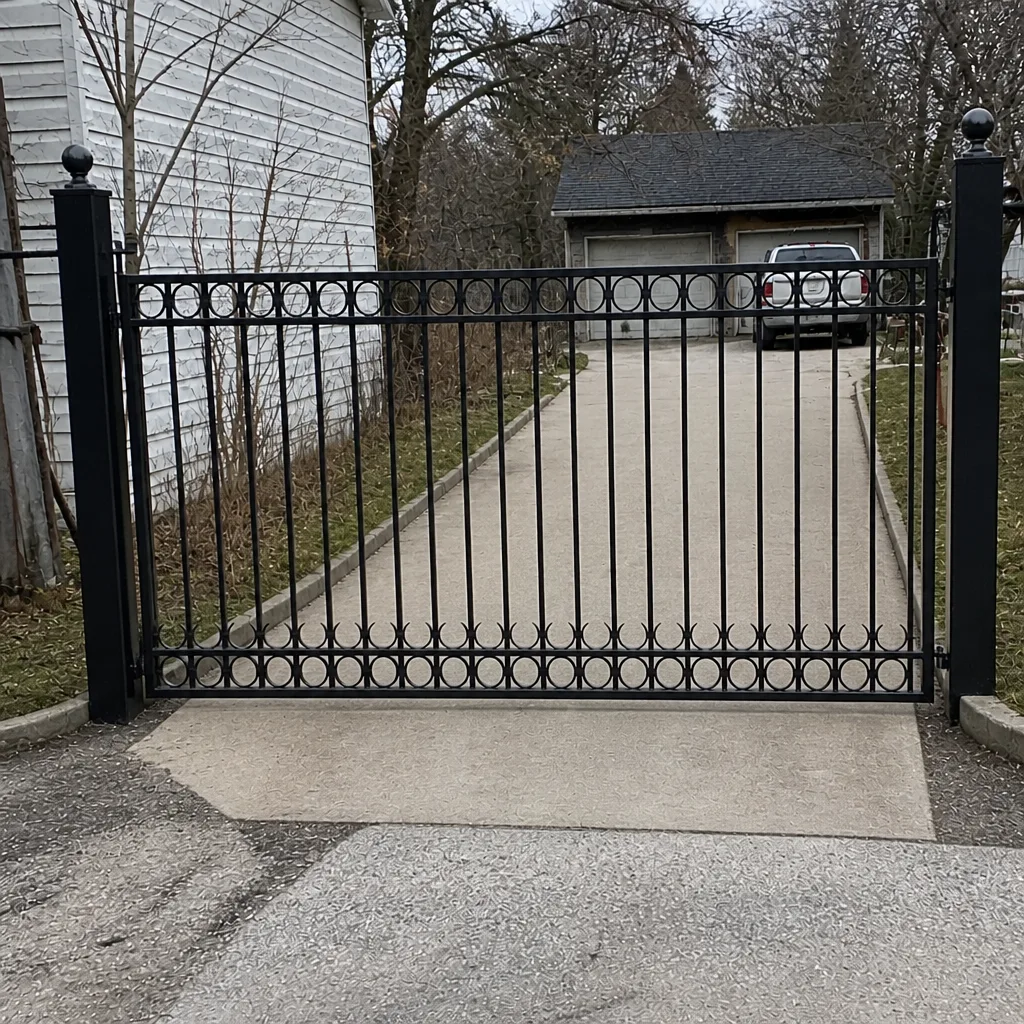 After
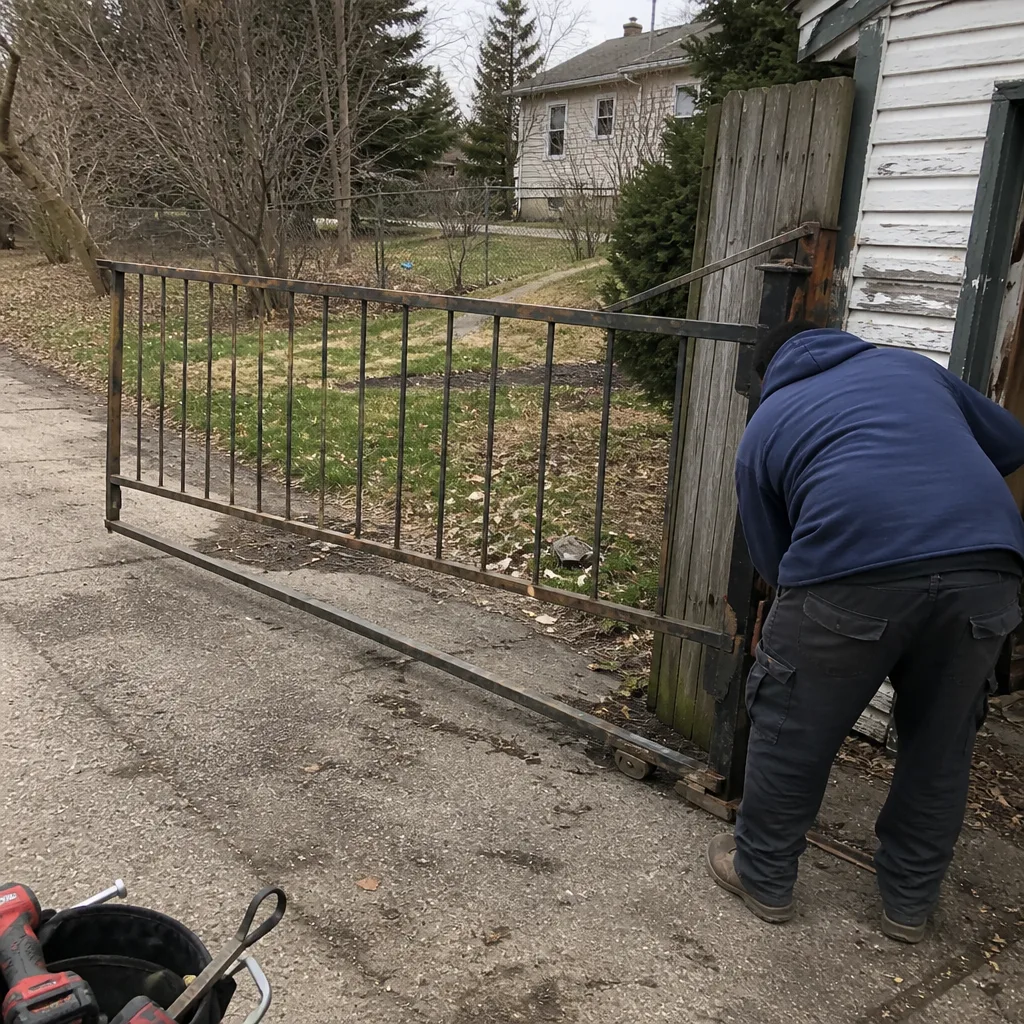 Before
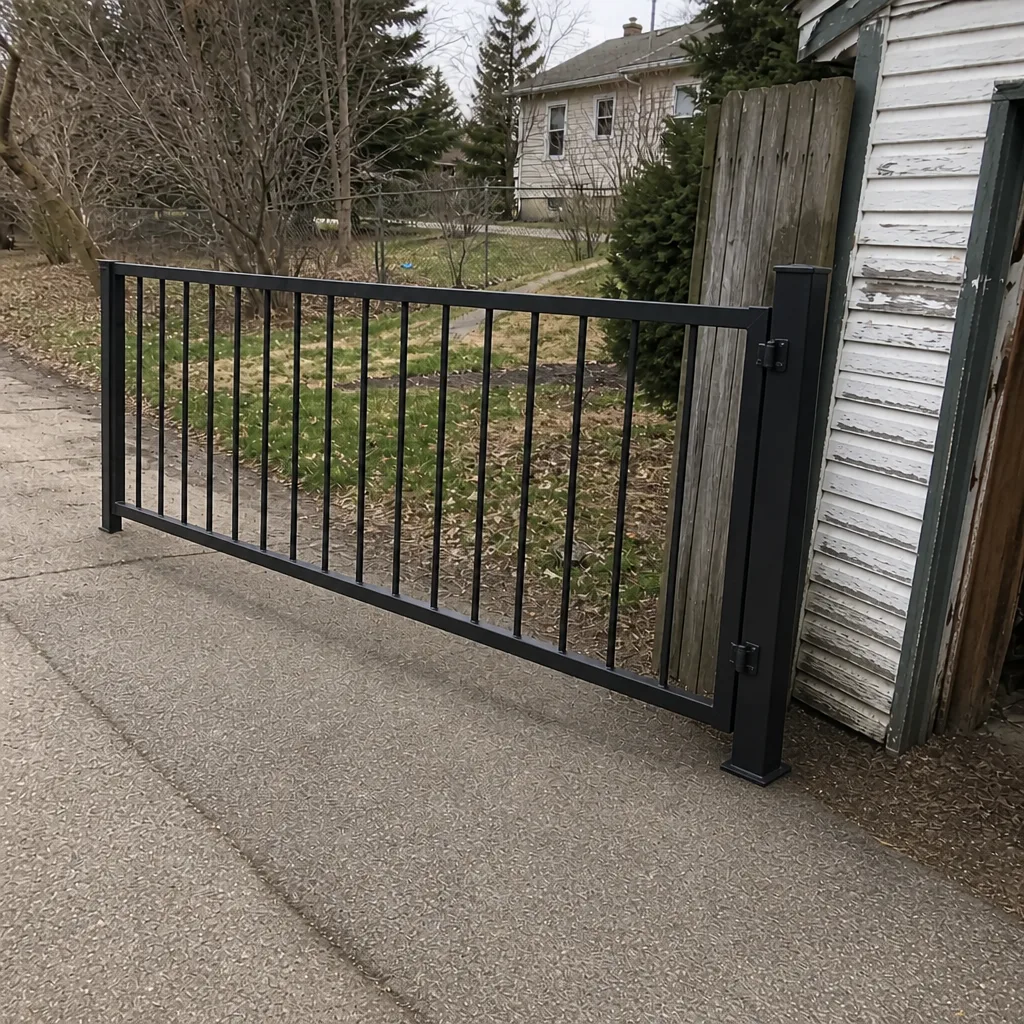 After
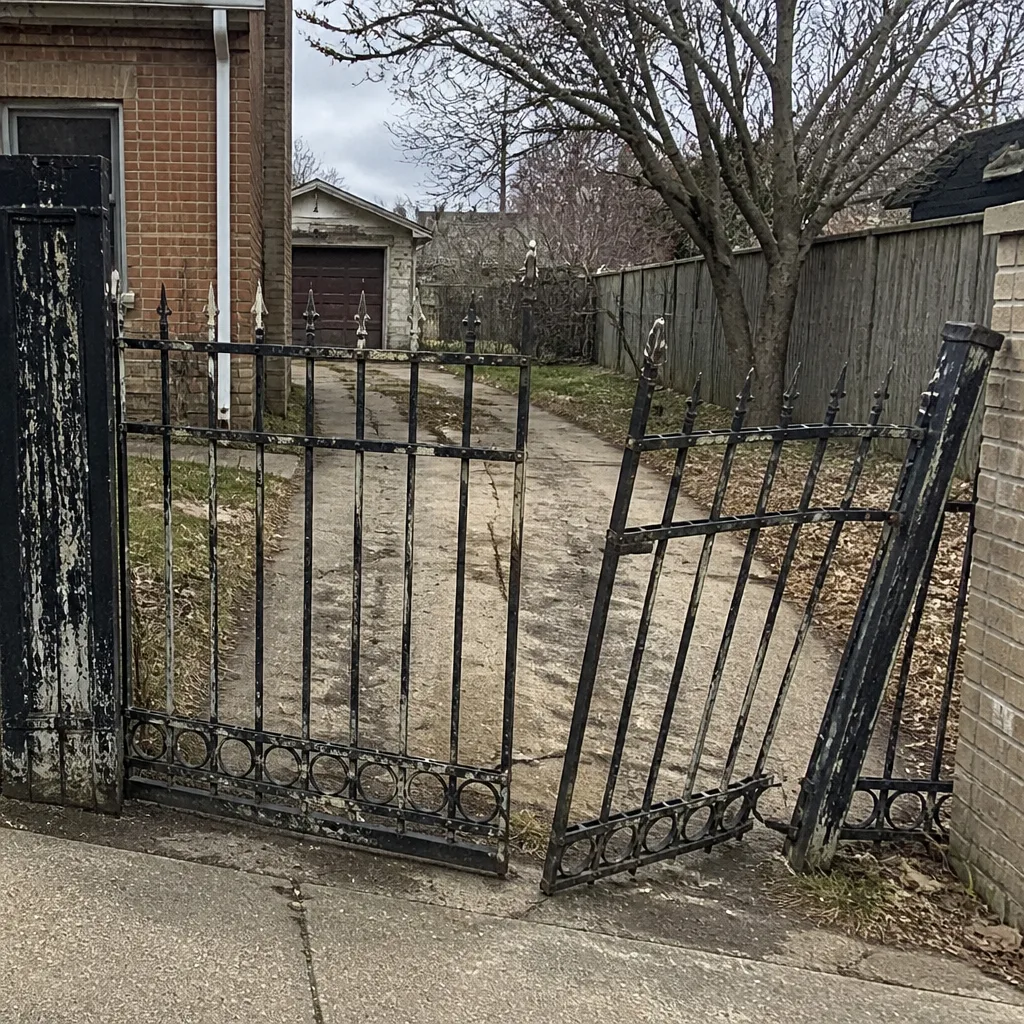 Before
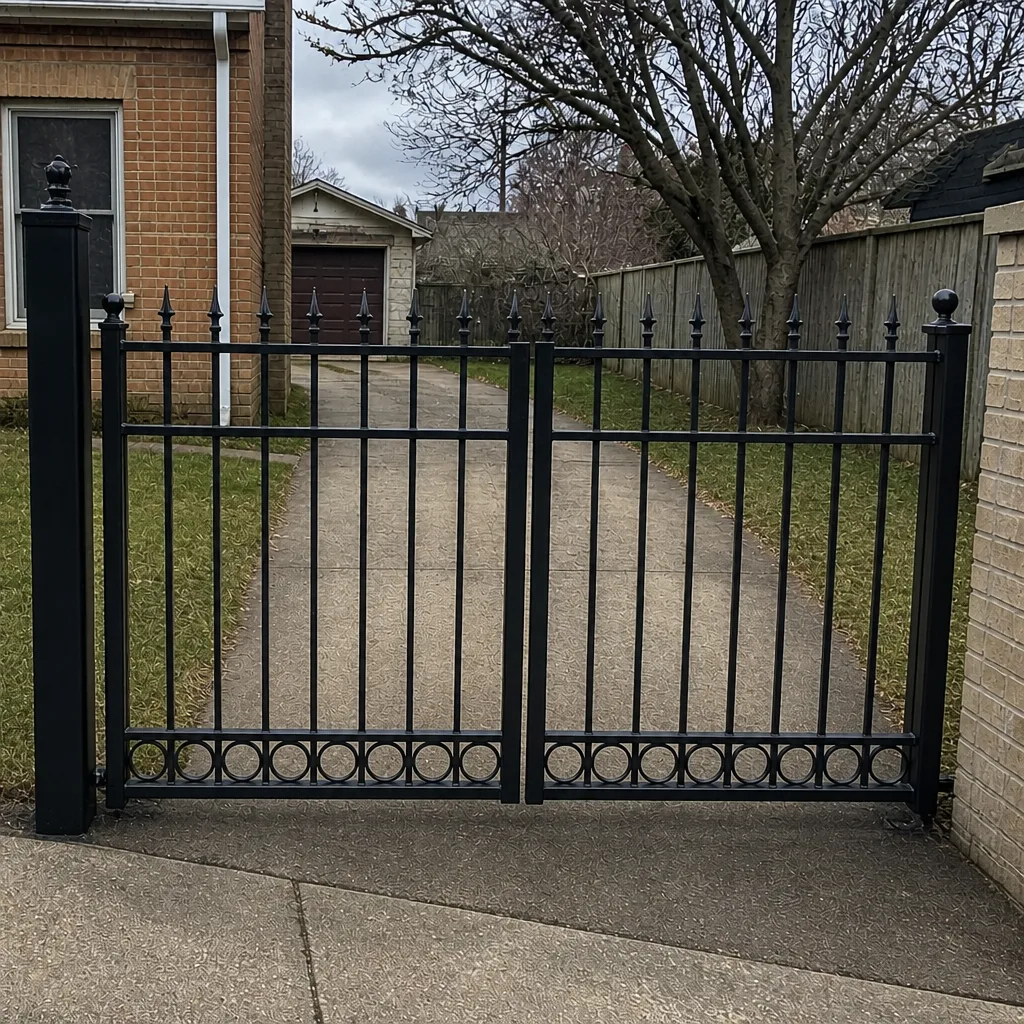 After
When to Call a Professional
A few situations are clearly technician work, not a weekend project. If the gate operator is throwing faults, if the gate won’t reverse cleanly on a sensor break, if the safety edges aren’t responding, or if the electrical disconnect is showing corrosion or water intrusion, the work has moved past what a homeowner can safely diagnose. If you’re planning a new operator installation with new electrical, and you’re not licensed to do the electrical work, you need a technician who is. If you’re in an HOA and the architectural review committee has questions about the electrical plan, a gate specialist can usually answer them in a single call. And if you’re prepping a home sale and either suspect or know about unpermitted gate work, having a specialist assess the scope before the buyer’s inspector does puts you in a stronger negotiating position. Gate Repair Elgin offers free estimates in Elgin – call (833) 722-3856 and we’ll walk through what your specific project needs.
Frequently Asked Questions
In most cases, no. Repairing an existing gate, operator, or control board does not require a permit in Elgin because you’re not touching new electrical connections or the structural footprint. If the repair crosses into rewiring or replacing the operator with a new hardwired unit, the permit question returns. Call (833) 722-3856 for a free estimate and we’ll tell you which side of the line your project sits on.
Yes, in most cases. A residential gate operator hardwired to your home’s electrical panel is treated as a permanent electrical installation under Illinois code, and permanent electrical work falls under the electrical permit process. A plug-in unit with no permanent wiring is a different scope, but most residential operators sold today are hardwired. Call (833) 722-3856 and we’ll help you sort out the permit type for your project.
UL 325 requires a listed operator with at least one entrapment protection device installed and functioning – a photo-eye sensor, a safety edge, or a loop detector. The inspector will test the reversing or stop behavior of the gate. Every residential gate operator sold in the US has to meet the standard; it isn’t optional and it isn’t brand-specific. Call (833) 722-3856 if you want an assessment of an existing operator’s safety setup.
It can slow a sale but doesn’t usually stop one outright. Unpermitted gate work typically surfaces during the buyer’s inspection, gets disclosed, and either gets a retroactive permit or a price adjustment at closing. The cleanest outcome is a retrofit inspection that passes, which requires the electrical work and safety devices to actually be correct. Call (833) 722-3856 for a free estimate on getting unpermitted gate work squared away before closing.
They often do. Elgin-area HOA covenants can restrict gate color, material, height, setback, and operator screening, and those rules run in parallel to city code – you have to satisfy both. When the HOA is stricter, you follow the HOA. When the HOA demands something the city would flag as unsafe, the conversation goes to the city first, then back to the HOA board. Call (833) 722-3856 for a free estimate and we’ll help you read both rule sets.
The person doing the work should pull the permit. If you’re doing the electrical and structural work yourself, you pull it. If you’re hiring a licensed specialist to install a new operator, the specialist pulls it, because the correction responsibility stays with the person who holds the permit. Call (833) 722-3856 for a free estimate on a permitted installation and we’ll walk through the paperwork.
The Bottom Line
The permit question in Elgin comes down to one distinction: is the work restoring what’s there, or is it adding something new to the electrical or structural footprint? Repair work usually doesn’t need a permit. New operator installation, new electrical runs, and new gate or fence lines almost always do, and the electrical permit is the specific one homeowners miss because a hardwired operator looks like an appliance but is legally an electrical installation. UL 325 safety requirements apply to every residential operator, HOA covenants sit on top of city code, and unpermitted work that surfaces at sale costs more to fix than it would have cost to permit correctly. Get the permit path right at the start, and everything downstream – inspection, safety, insurance, sale – gets easier.
We work on your brand, whether that’s a residential Ghost Controls or Mighty Mule unit or a commercial DoorKing access control system. We’re gate-only specialists, and we’ll diagnose what your gate actually needs before anyone pulls a permit or opens a control box. Call (833) 722-3856 for a free estimate. We answer 24/7. Fast dispatch from 7am to 7pm, Sunday through Friday, closed Saturday.
Written by the team at Gate Repair Elgin.