
Last updated November 15, 2026
 Wrought iron
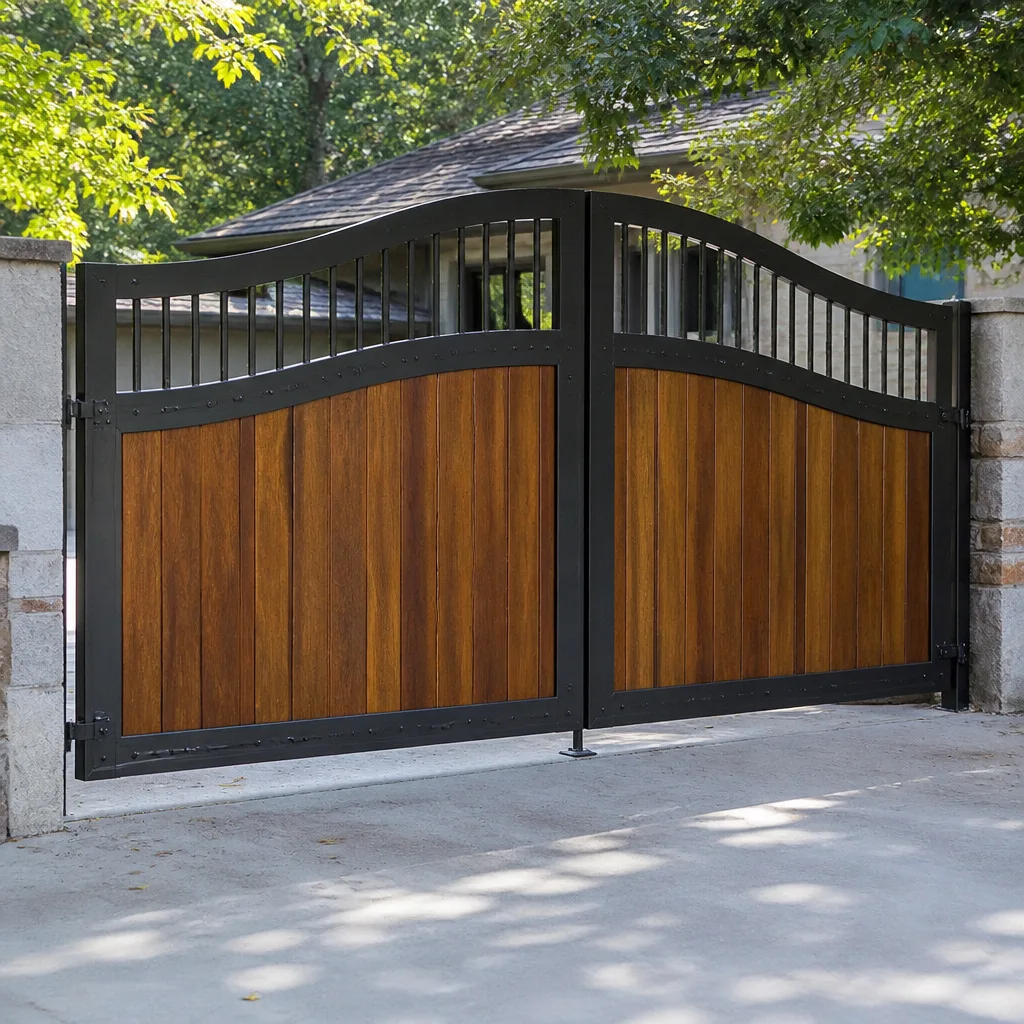 Wood & steel frame
 Farm & ranch
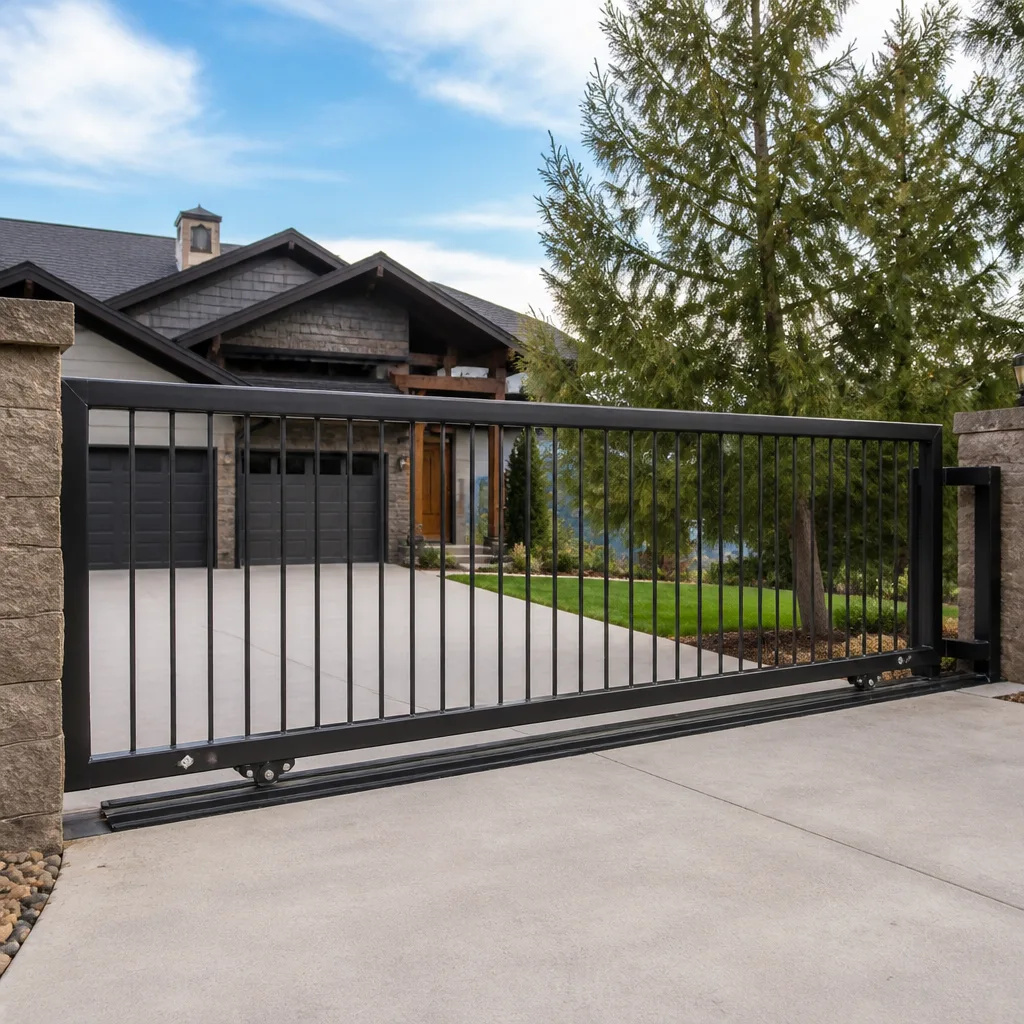 Sliding driveway gates
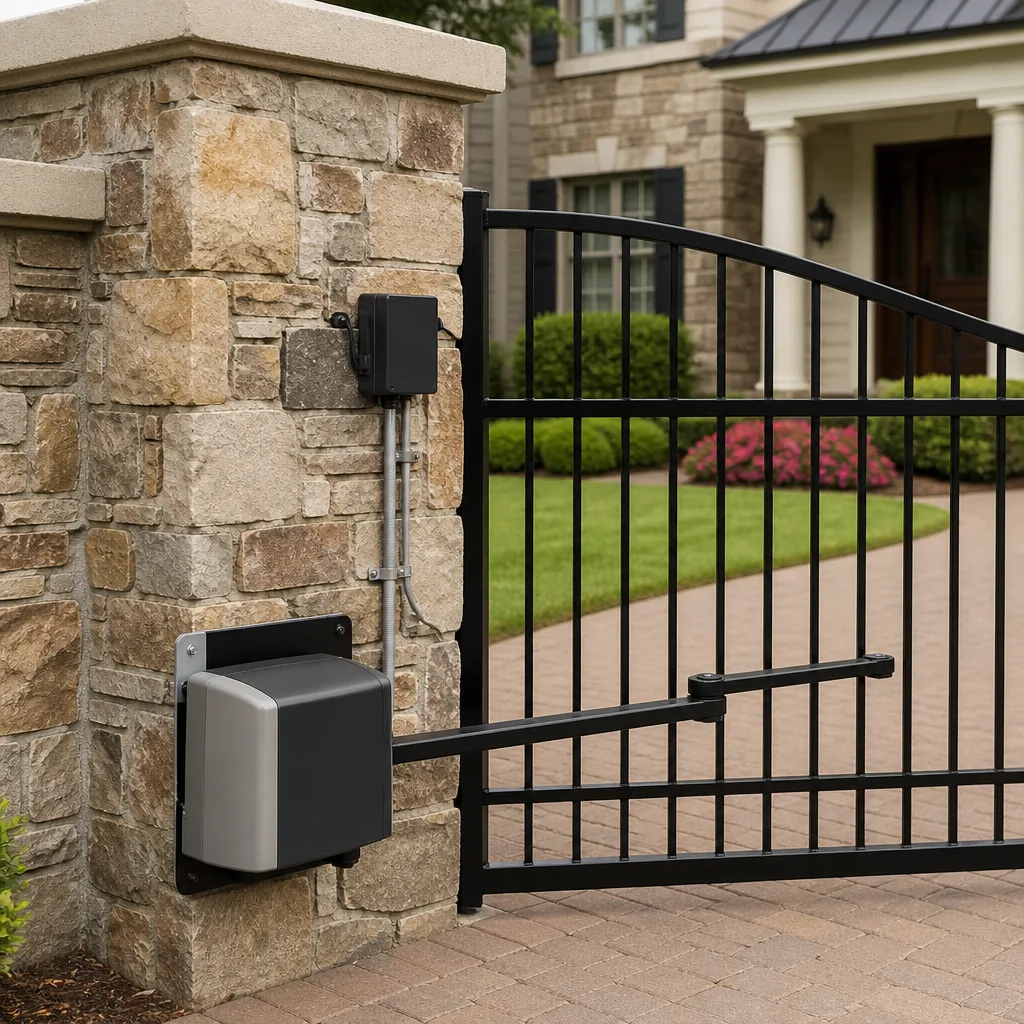 LiftMaster operators
Free on-site gate assessment - hinges, posts, and your LiftMaster or Nice gate operator checked before anything is quoted
The assessment is free and the quote is the invoice.
Get your free estimateGate Repair Maintenance Schedule: What to Do and When
A residential gate that opens six times a day racks up more than 2,000 cycles a year. That’s commercial-duty wear on a system most homeowners treat like a fence post. Here’s the problem: the advice floating around online tells you to oil the thing twice a year and call it done. That advice ignores drive type, gate material, and cycle count, which are the three variables that actually decide when your operator fails. In this guide, we’ll lay out a cycle-based, material-aware maintenance schedule for Elgin gates, from chain-drive residential openers to commercial operators, and show you how to log it so a technician walks in with real data.
Quick Answer
There’s no single gate maintenance schedule. The right interval depends on drive type, gate material, and daily cycle count. As a working rule: lubricate chain-drive operators every 500 cycles or 90 days, whichever comes first; check articulated arm and screw-drive hardware every 1,000 cycles; and inspect every gate, residential or commercial, at least twice a year for corrosion, hardware torque, and safety device function. In Elgin, add a pre-winter battery check for solar-assisted operators and a post-thaw inspection of posts and loop detectors every spring.
Styles & brands we work with
- Wrought iron
- Wood & steel frame
- Farm & ranch
- Sliding driveway gates
- LiftMaster operators
Table of Contents
- Why a Calendar-Based Schedule Fails Your Gate
- Cycle-Count Thresholds by Drive Type
- Illinois Seasonal Tasks: Pre-Winter and Post-Thaw
- Material-Specific Corrosion Inspection Points
- How to Log Your Maintenance (and Why It Matters)
- The Five Components Technicians Find Neglected
- What You Can Check Yourself vs. What Needs a Tech
- When to Call a Professional
Why a Calendar-Based Schedule Fails Your Gate
Every gate operator has a duty cycle. That’s the amount of work it’s designed to do in a given period, usually expressed in cycles per day or per hour. A residential LiftMaster or Mighty Mule operator might be rated for a modest number of cycles a day. A commercial FAAC or BFT unit is built for far more. When you lubricate and inspect on a fixed calendar (say, “every spring and fall”) without knowing your actual cycle count, you’re guessing.
Consider two Elgin homes. One has a gate used twice a day by a single household; the other is a small commercial property with delivery traffic cycling the gate thirty times a day. The same six-month interval serves the first gate fine and leaves the second one overdue for lubrication and hardware checks for most of the year. That’s how chain drives wear prematurely and how fasteners back out unnoticed.
Cycle count is the honest metric. Most modern operators track it internally, and some remotes or control boards let you pull an odometer reading. If yours doesn’t, a simple count of average daily openings times days in service gets you close enough to schedule intelligently.
- Light residential (2-6 cycles/day): roughly 700-2,200 cycles/year
- Heavy residential (7-15 cycles/day): roughly 2,500-5,500 cycles/year
- Light commercial (15-40 cycles/day): roughly 5,500-14,600 cycles/year
- Commercial access control (40+ cycles/day): 14,600+ cycles/year, often much higher
The takeaway: a busy Elgin driveway gate can see commercial-equivalent wear without anyone realizing it. Schedule by cycles, and use the calendar only as a backstop. If you want a baseline inspection to establish your current cycle count and condition, our gate repair team can read the operator’s data and set your starting point.
Cycle-Count Thresholds by Drive Type
Different drive mechanisms fail in different ways, so they need different task lists at different intervals. Here’s how we break it down by drive type. These thresholds assume normal residential-to-light-commercial use; heavy commercial systems should be inspected more frequently and always by a technician.
Chain-Drive Operators
Chain drives are the workhorses on many residential slide gates. The chain stretches, the sprockets wear, and lubrication matters. Lubricate the chain every 500 cycles or 90 days, whichever comes first, and check chain tension at the same time. A chain that’s too tight loads the operator; too loose and it slaps and jumps the sprocket.
Screw-Drive Operators
Screw drives move the gate along a threaded shaft or nut. They need clean threads and appropriate lubrication, but over-greasing attracts grit. Inspect and lightly lubricate every 1,000 cycles, and watch for wear on the drive nut. Screw drives on older LiftMaster and Linear residential systems are common in Elgin subdivisions.
Articulated Arm Operators
Swing gates often use an articulated arm. The arm’s pivot points, bushings, and the gate’s hinges all take load. Check pivot hardware, bushings, and hinge torque every 1,000 cycles, and lubricate hinges at the same time. Arm operators are unforgiving of a gate that’s sagging, so alignment checks matter here.
Cycle Threshold Summary
- Every 500 cycles or 90 days: lubricate chain drive, check chain tension, inspect sprocket wear.
- Every 1,000 cycles: screw-drive thread inspection and light lubrication; articulated arm pivot and hinge check; full hardware torque check.
- Every 2,000 cycles: safety device function test (photo eyes, loop detectors, safety edges), control board visual inspection, battery and solar charge check.
- Twice yearly, regardless of cycles: full corrosion inspection, post alignment, and gate material review.
These are starting points, not gospel. A gate on a slope, a gate in constant wind, or a commercial system with heavy traffic needs a tighter schedule. When we set up a maintenance visit in Elgin, we adjust these intervals to the specific operator, whether that’s a Mighty Mule residential unit or a FAAC commercial drive.
Illinois Seasonal Tasks: Pre-Winter and Post-Thaw
Elgin’s climate does specific things to gate systems, and two seasonal transitions matter more than the rest.
Pre-Winter: Battery and Solar Check
Cold weather is hard on batteries, and solar-assisted operators depend on a healthy battery to carry them through short winter days and low sun angles. Before the first hard freeze, check the operator battery’s state of charge and clean any solar panel surfaces. A battery that’s marginal in October may fail outright when temperatures drop. For solar-assisted gates, this is the single most useful pre-winter task. A technician can test battery health and charging output rather than guessing.
Post-Thaw: Ground Heave Inspection
When the ground freezes and thaws, buried components move. In Elgin, spring is the time to check:
- Buried posts for gate posts and operator mounts: check for lean, loosening, or movement after ground heave.
- Loop detectors (inductive loops embedded in the driveway): thaw and frost can crack pavement and disturb loop wire. A loop that reads intermittently in spring is often a thaw-related issue.
- Gate track and guide rollers for slide gates: shifting ground can throw alignment off.
Post alignment is one of the most overlooked seasonal checks. A post that’s heaved slightly out of plumb puts constant stress on hinges and the operator, and that stress shows up as premature wear months later. If your gate suddenly drags or the operator strains after winter, an alignment check should be first on the list. Our electric gate repair technicians handle control boards, loop detectors, and safety sensors, so seasonal electrical and alignment issues get diagnosed together.
Material-Specific Corrosion Inspection Points
Gate material determines where corrosion starts and what to look at. The three common types in Elgin-area homes each have their own weak points.
Wrought Iron
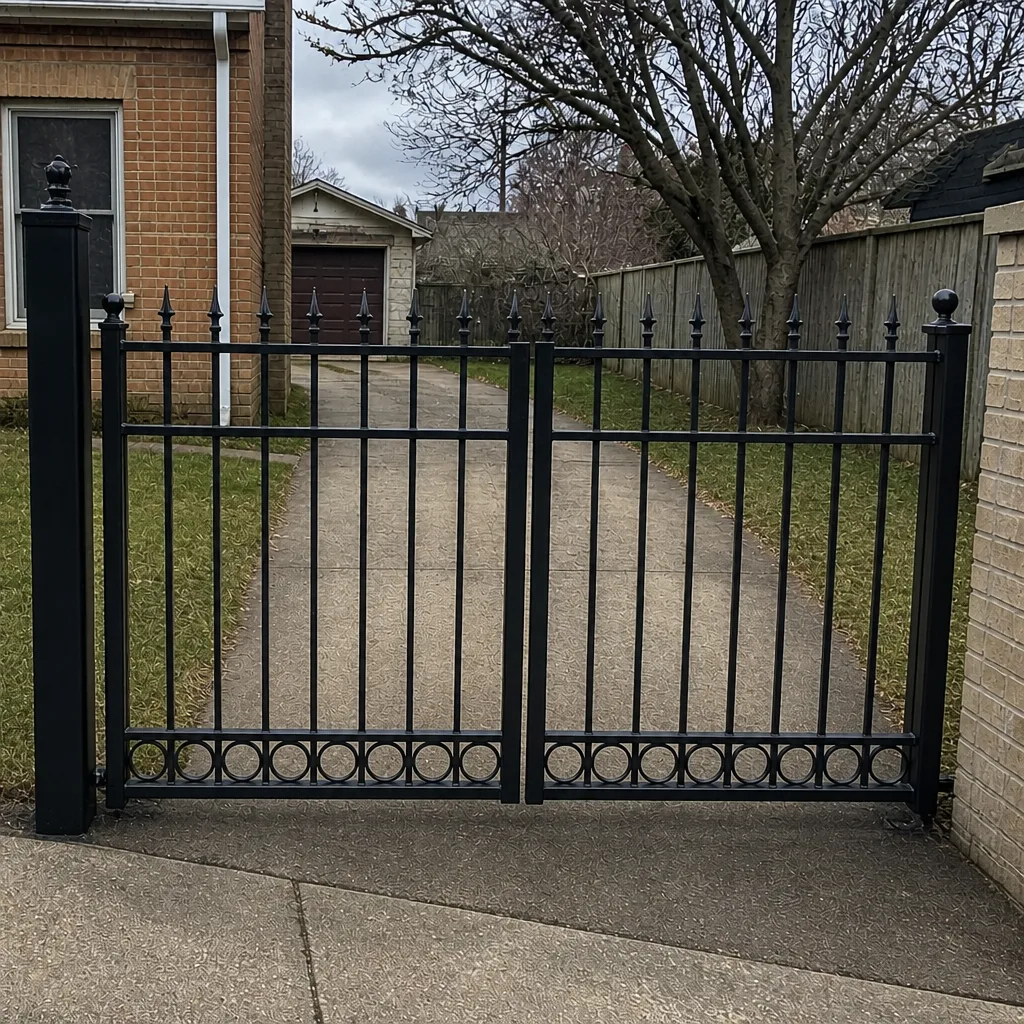
Wrought iron is durable but rust-prone at joints, welds, and any spot where the finish is chipped. Inspect weld seams, hinge attachment points, and the bottom rail where moisture collects. Touch up chipped paint promptly; small chips become rust blooms fast in a wet-freeze-thaw cycle. Also check that decorative scrollwork isn’t trapping water.
Aluminum
Aluminum resists rust but can oxidize and pit, especially at fasteners and where dissimilar metals touch. Check hinge and fastener interfaces for galvanic corrosion, and inspect the finish for pitting. Powder-coated aluminum can hide corrosion under a bubbling coat, so look for blisters.
Powder-Coated Steel
Powder coating is tough but not invulnerable. Chips at edges, corners, and the bottom of the gate open the steel to rust. Inspect edges and the bottom rail closely, and repair chips before rust spreads under the coating. Fastener holes are another common failure point.
Universal Inspection Points
- Bottom rails and the lowest 12 inches of any gate (water and road spray collect there)
- Hinge and pivot attachment points
- Fasteners and weld seams
- Any spot where the finish is chipped, bubbled, or worn
- The operator mount and any hardware touching the ground
Corrosion caught early is a touch-up job. Corrosion caught late is structural repair or replacement. If you’re not sure whether a spot is cosmetic or structural, an on-site look from a technician settles it fast. And for reference, whether you’re in Elgin or elsewhere in the area, we handle Gate Repair Elgin work across residential and commercial systems.
How to Log Your Maintenance (and Why It Matters)
A simple maintenance record does two things: it validates your warranty, and it gives a technician real data at a service call. Most operator warranties require documented maintenance, and a log showing regular lubrication and inspections is your proof. At a service call, a log that shows what was done and when shortens diagnosis considerably.
Here’s a template that works for any gate system:
- Date and cycle count. Record the date and the operator’s cycle reading if available.
- Tasks performed. List exactly what you did: “lubricated chain, checked tension, tested photo eyes.”
- Observations. Note anything unusual: “slight rust at bottom rail,” “chain seemed loose,” “gate dragged on left side.”
- Parts replaced. Note any battery, roller, or sensor changes with part description.
- Technician visit. If a pro serviced it, note what was found and done.
Keep the log with the operator manual or in a folder near the gate. When you call for service, the log tells us where to look. A gate that’s been logged regularly is easier to diagnose than one that’s been ignored, and the notes often reveal a pattern before it becomes a failure. For any Elgin property manager running multiple gates, a shared log per gate is worth the effort.
The Five Components Technicians Find Neglected
In our experience, the same five components show up neglected at first service calls. Here’s what they are and why they matter.
1. Safety Sensors and Photo Eyes
Photo eyes and safety edges prevent the gate from closing on a person or vehicle. They’re supposed to be tested regularly, and they often aren’t. A misaligned or dirty sensor can cause intermittent stopping. Testing them is a two-minute task, and a technician can verify alignment and function properly.
2. Loop Detectors
Buried loop detectors tell the operator a vehicle is present. They’re invisible, so they get forgotten until they fail. A loop that reads intermittently causes phantom openings or refusals. Spring thaw is when Elgin loops most often act up.
3. Hinges, Pivots, and Hardware
Hinges and pivots take constant load and need lubrication and torque checks. Loose or dry hinges cause sagging gates and strain the operator. This is one of the most common causes of premature wear on swing gates.
4. The Operator Battery (Solar Systems)
On solar-assisted gates, the battery is the weak link. It degrades silently and fails when you need the gate most. Pre-winter battery checks are the fix.
5. Gate Alignment and Posts
Post movement and gate sag throw alignment off and load every other component. Seasonal post and alignment checks catch this before it causes a bigger repair.
Cost Difference: Maintenance vs. Emergency
The realistic cost difference is between a routine maintenance task and an emergency repair. Catching a dry hinge at a maintenance visit is a lubrication job. Catching it after the hinge has seized and bent the gate frame is a fabrication and repair job. The pattern repeats across all five components: maintenance is a small task, and emergency repair is a bigger one. That’s not a scare tactic, it’s simple mechanics. The best way to avoid the second situation is to stay ahead of the first.
What You Can Check Yourself vs. What Needs a Tech
Some tasks are safe and sensible for a careful homeowner. Others involve power, heavy moving panels, or control logic and should go to a trained technician.
Safe for Homeowners
- Visual corrosion inspection and touch-up painting of chips
- Keeping the gate path clear of debris
- Cleaning solar panels on solar-assisted operators
- Testing safety photo eyes and edges (per the manual)
- Keeping the maintenance log
- Listening for new noises and noting them in the log
Needs a Technician
- Any work on the operator’s power supply or wiring
- Battery testing and replacement on solar-assisted systems
- Loop detector diagnosis and repair
- Control board troubleshooting
- Chain tension adjustment on commercial operators
- Post alignment and gate re-hanging
- Any task involving the moving gate panel or stored energy in the operator
Safety comes first here. A gate is a heavy moving object, and an automatic gate operator stores energy and connects to line voltage. Working on wiring, control boards, or a heavy gate panel without training can cause serious injury. If a task involves power, heavy panels, or the operator’s internal mechanics, call a technician. Diagnosing a control board or a loop fault is a job for someone who’s worked on that specific system before. That’s part of why we stay gate-only: we’re not guessing at your FAAC or BFT controls the way a general handyman would.
Common Mistakes to Avoid
- Greasing everything on a calendar. Over-lubricating screw drives and pivot points attracts grit and accelerates wear. Match the lubricant and interval to the drive type, not the season.
- Ignoring cycle count. A busy Elgin driveway gate can hit commercial-equivalent cycles without anyone noticing. Track cycles and schedule by them.
- Forgetting the pre-winter battery check. Solar-assisted gates depend on battery health through short, cold days. A battery that’s marginal in fall often fails in winter.
- Skipping the post-thaw inspection. Ground heave after an Elgin winter moves posts and can disturb loop detectors. Spring is when these issues show up, so check then.
- Painting over rust without treating it. Painting over active rust traps moisture and lets corrosion spread under the finish. Treat and prep before coating.
- Not logging maintenance. Without a record, you can’t prove warranty compliance and a technician has to start from zero at every visit.
- Skipping safety device tests. Photo eyes and safety edges protect people and vehicles. Testing them is quick, and skipping them is the most consequential mistake on this list.
See the difference
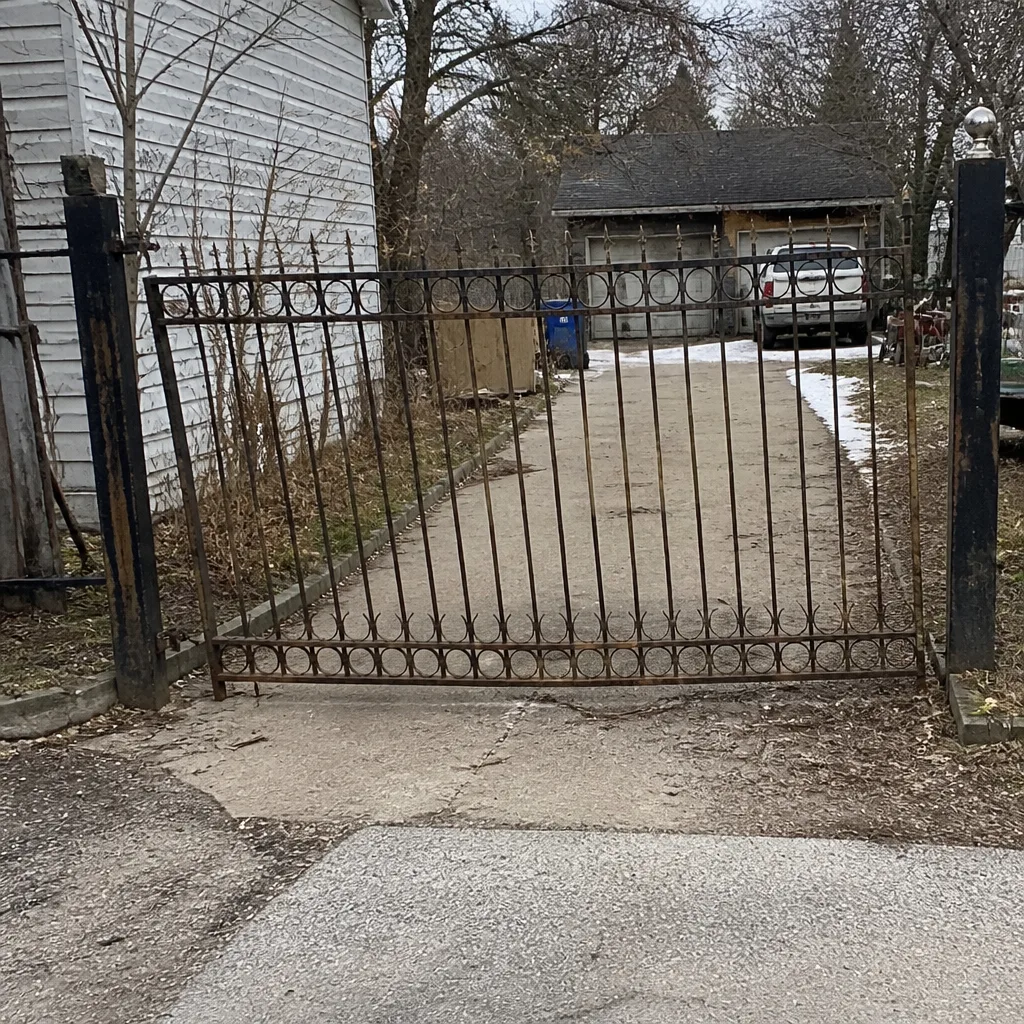 Before
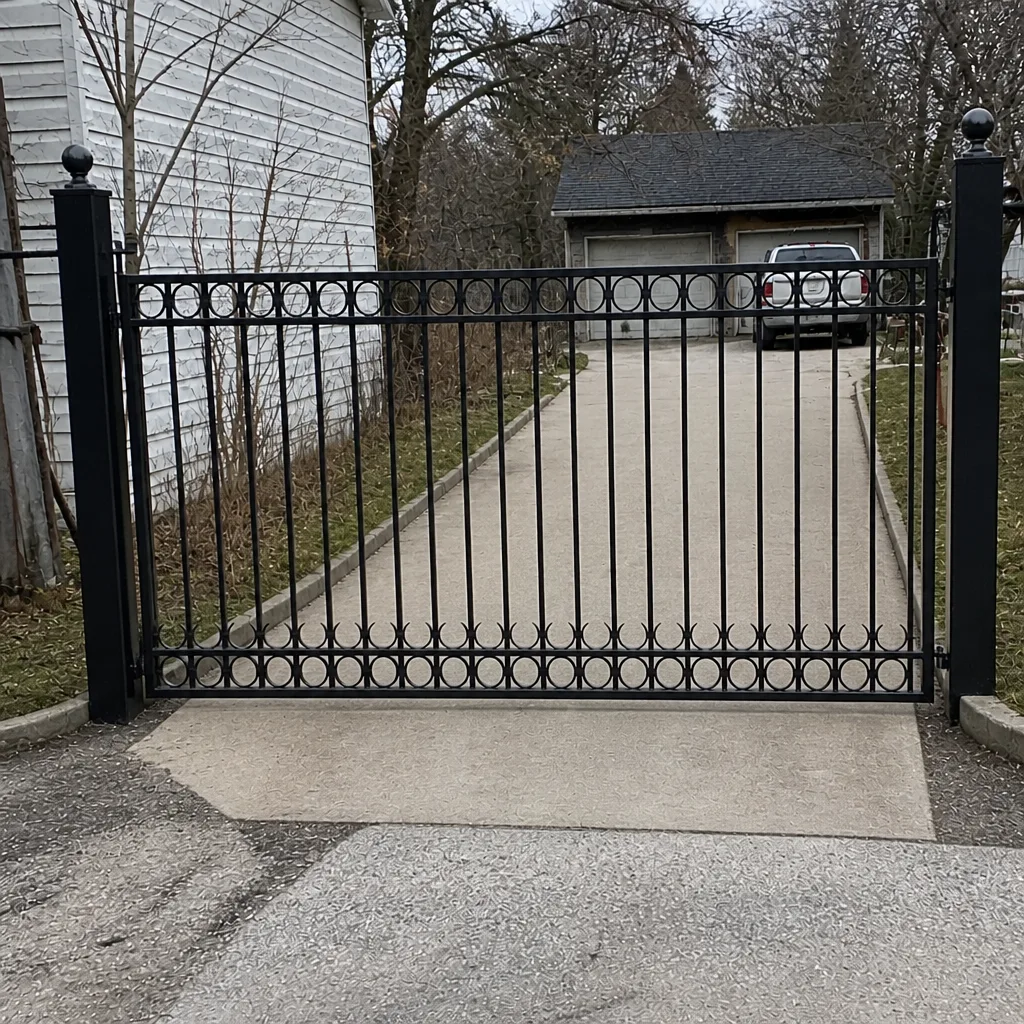 After
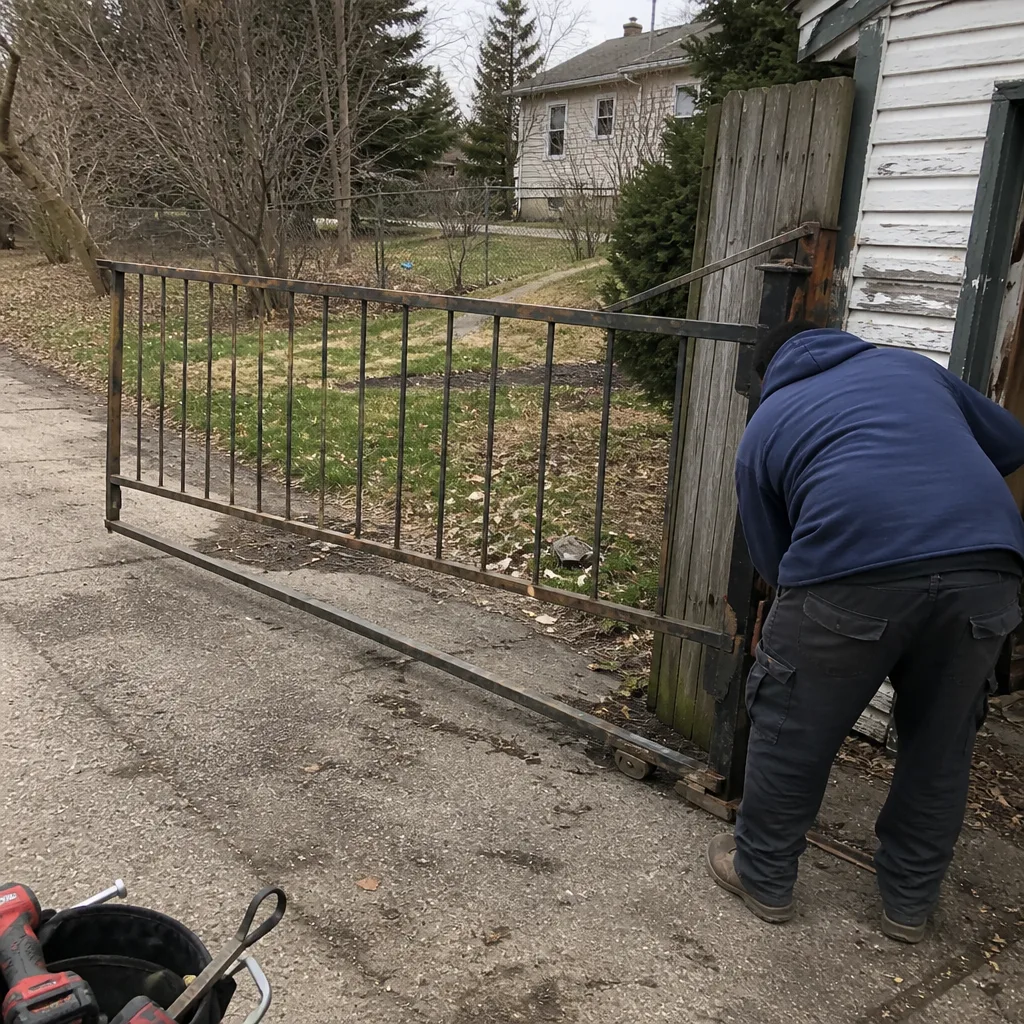 Before
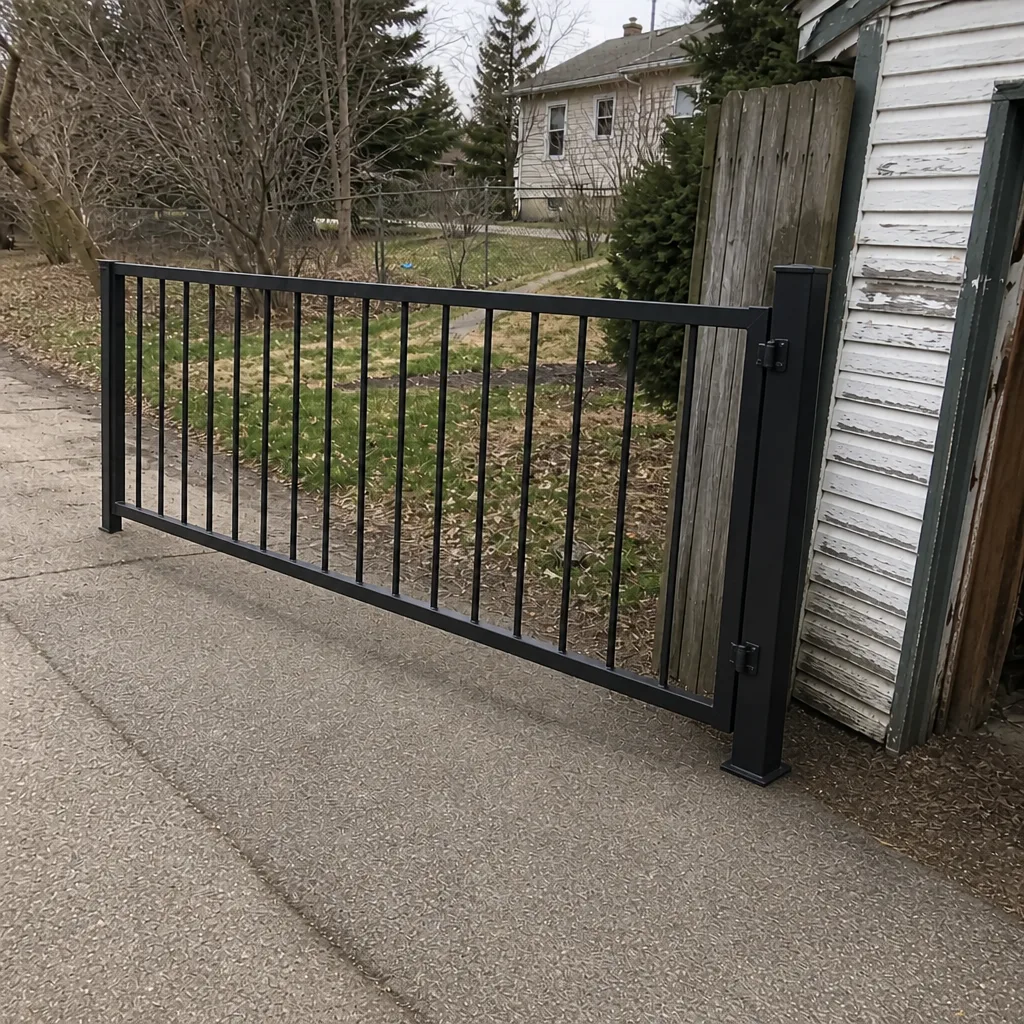 After
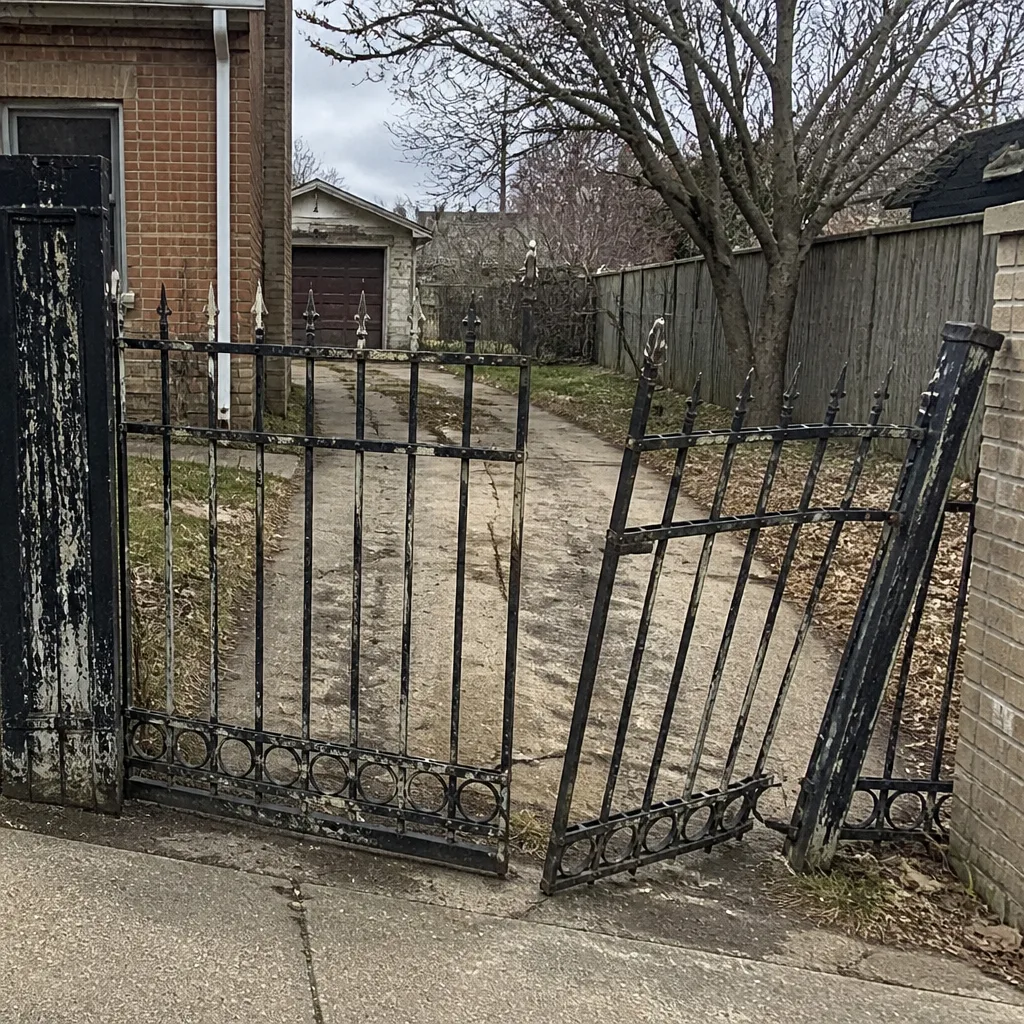 Before
 After
When to Call a Professional
Call a technician when the task involves the operator’s power supply, wiring, or control board; when a gate panel is heavy, sagging, or misaligned; when loop detectors or safety sensors misbehave; or when you simply don’t know your gate’s cycle count and want a professional baseline. Also call if you see corrosion that might be structural rather than cosmetic. Gate Repair Elgin offers free estimates in Elgin. Call (833) 722-3856. We answer 24/7, with fast dispatch from 7am to 7pm, Sunday through Friday. Estimates are free, and the price is quoted and agreed before any work starts.
Frequently Asked Questions
Inspect every gate at least twice a year, and lubricate chain-drive operators every 500 cycles or 90 days, whichever comes first. Add a pre-winter battery check for solar-assisted gates and a post-thaw inspection of posts and loop detectors every spring in Elgin. Cycle count and drive type set the real interval. Call (833) 722-3856 for an exact schedule based on your system.
Chain drives need lubrication and tension checks every 500 cycles or 90 days. Screw drives need clean threads and light lubrication every 1,000 cycles, with attention to drive nut wear. Chain drives are more common on slide gates; screw drives appear on some residential LiftMaster and Linear systems. A technician can tell you which you have and set the right interval.
Check your operator’s manual or control board; many modern operators track cycles internally. If yours doesn’t, multiply average daily openings by days in service for a close estimate. A technician can also pull the reading during a service call and set your starting interval. Call (833) 722-3856 for a baseline inspection.
Ground heave after freeze-thaw moves buried posts and can disturb loop detectors, and a marginal battery may fail in cold weather. That’s why spring post-alignment and loop checks are part of the Elgin schedule. If your gate drags or reads intermittently after winter, an alignment and electrical check should come first.
Most operator warranties require documented maintenance, and a simple log with dates, cycle counts, and tasks performed is your proof. The log also speeds diagnosis at service calls. If you don’t have a log, start one today, and keep it with the manual. Call (833) 722-3856 if you want a professional to establish a baseline.
Safety sensors, loop detectors, hinges and pivots, operator batteries on solar systems, and gate alignment and posts are the five we see neglected most often. Catching them at a maintenance visit is a small task; catching them after failure is a bigger repair. A routine inspection covers all five.
The Bottom Line
Gate maintenance isn’t a calendar you follow, it’s a schedule you build from your gate’s drive type, material, and cycle count. Lubricate chain drives every 500 cycles, check hardware every 1,000, and inspect twice a year for corrosion and safety device function. In Elgin, add the pre-winter battery check and the post-thaw post and loop inspection. Log everything so your warranty is documented and your technician has real data. If you’re not sure where to start, especially if you’re in Elgin, a single professional inspection sets your baseline. For questions about your gate, see our Elgin page.
We’re gate-only specialists, and we work on your brand, from Mighty Mule residential openers to FAAC commercial systems. When your gate needs attention, call (833) 722-3856. We answer 24/7, with fast dispatch from 7am to 7pm, Sunday through Friday. Estimates are free, and the price is quoted and agreed before any work starts.
Written by the team at Gate Repair Elgin.